
Are you confident your pharmacy meets both USP 797 and USP 800 requirements—or are you unknowingly exposing your staff and patients to risk?
Many pharmacy directors face confusion when trying to understand USP 797 vs USP 800 requirements. The revised USP 797 standards and USP 800 standards both became enforceable on November 1, 2023. This represented a major update to USP 797 and the first enforcement date for USP 800. Pharmacies that compound hazardous sterile preparations must comply with both chapters simultaneously.
This guide clarifies the distinct focus of each standard and explains exactly when both apply to your facility. You’ll learn the scope differences between patient protection and worker safety, understand overlapping requirements for hazardous sterile compounds, and discover practical facility design solutions.
The challenge: balancing patient safety through sterility with staff safety from hazardous drug exposure, all while managing facility design requirements that seem contradictory. Non-compliance affects your patients, your staff, and your professional license.
What is the Difference Between USP 797 and USP 800?
USP 797 and USP 800 serve different but complementary purposes in pharmacy compounding.
USP 797: Focuses on preventing microbial contamination of sterile preparations to protect patients. Requires positive-pressure cleanrooms with ISO-classified buffer rooms and ante-rooms.
USP 800: Focuses on protecting healthcare workers from hazardous drug exposure. Requires negative-pressure containment areas with external ventilation for all hazardous drug handling.
Key Takeaway: Pharmacies compounding hazardous sterile preparations must comply with both standards simultaneously, balancing sterility requirements with worker safety protocols.
Ready to schedule your six-month cleanroom certification? Allometrics’ team of highly trained technicians provides comprehensive testing for both USP 797 and USP 800 requirements. Call (281) 474-3329 to schedule your pharmaceutical cleanroom certification services.

Ready to coordinate both USP 797 and USP 800 environmental monitoring? Call (281) 474-3329 to consolidate particle counting, viable sampling, and monthly surface sampling under one roof.
Scope of Each Chapter: Sterile vs Hazardous Drug Handling
The fundamental difference between USP 797 and USP 800 lies in what each standard protects: patient safety versus worker safety. [1] Many pharmacy directors mistakenly believe one standard replaces the other. Understanding the scope of each chapter is the first step to building compliant facilities and procedures. Many pharmacies discover they need both standards.
USP 797: Protecting Product Sterility and Patient Safety
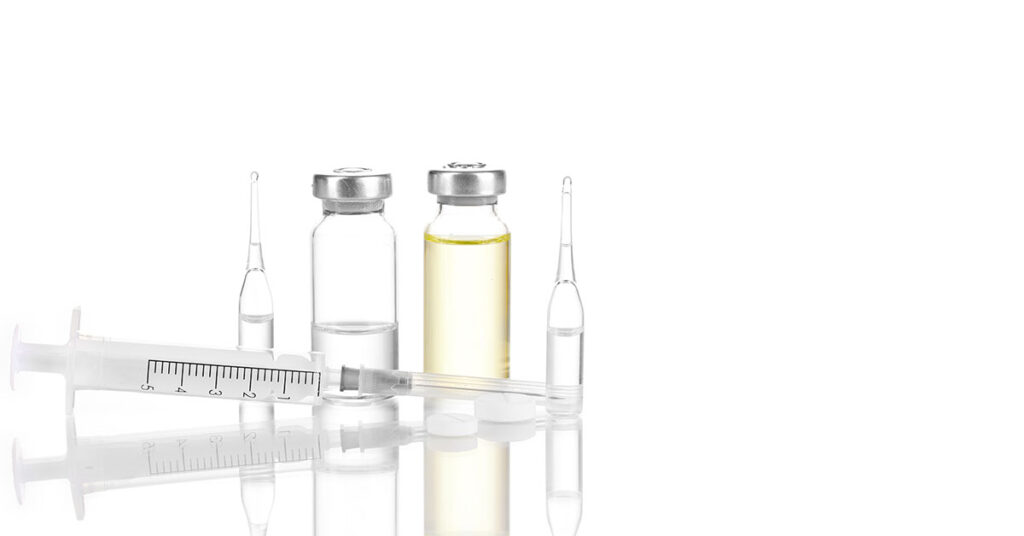
Compounded sterile preparations (CSPs) are medications prepared in sterile environments free from microbial contamination. USP 797 prevents bacteria, fungi, viruses, and other microorganisms from contaminating medications that bypass the body’s natural defenses.
Patient risk becomes severe when contaminated medications enter directly into the bloodstream, eyes, or central nervous system. Common examples include chemotherapy IVs, total parenteral nutrition (TPN), pain management epidurals, custom antibiotic injections, and preservative-free eye drops for post-surgical patients.

The standard requires:
- ISO-classified cleanroom environments (ISO Class 5 for hoods, ISO Class 7 for buffer rooms, ISO Class 8 for ante-rooms) with positive pressure to prevent contaminants from entering
- Personnel competency demonstration through media fills and gloved fingertip sampling
- Environmental monitoring including air sampling, surface sampling, and particle counting
- Six-month certification cycles to verify proper conditions
USP 800: Protecting Healthcare Workers from Hazardous Drug Exposure
Hazardous drugs pose health risks to workers who handle them. NIOSH classification criteria include drugs that are carcinogenic, teratogenic, cause reproductive toxicity, organ toxicity, or are genotoxic at low doses. USP 800 minimizes occupational exposure through proper containment, protective equipment, and safe handling procedures.
Healthcare workers face cumulative exposure over years of practice. CDC data shows 8 million US healthcare workers are exposed to hazardous drugs annually. [2] Documented health effects include increased cancer rates, reproductive issues, and organ damage. [3] Risk extends beyond pharmacists to pharmacy technicians, nurses who administer medications, and housekeeping staff who clean work areas.
USP 800 differs from USP 797 in a critical way: it covers both sterile and non-sterile hazardous drug handling. The standard applies to the entire drug lifecycle—from receipt to disposal.
Common hazardous drugs include:
- Antineoplastic agents: cyclophosphamide, methotrexate, doxorubicin
- Hormones: testosterone, estradiol preparations
- Antivirals: ribavirin, ganciclovir
- Immunosuppressants: tacrolimus, mycophenolate
- Other: finasteride, warfarin
Key requirements include negative pressure containment areas with external ventilation. Containment primary engineering controls (C-PECs)—biological safety cabinets and compounding aseptic containment isolators—provide necessary protection. Enhanced PPE includes double gloves and respirators when appropriate. Surface sampling verifies decontamination effectiveness.
When Both Standards Apply to Your Facility
Hazardous sterile preparations trigger both standards. If a medication must be sterile and contains hazardous drugs, your pharmacy must satisfy both USP 797 and USP 800.
Hospital Inpatient Pharmacies nearly always require both standards due to chemotherapy IVs, antibiotic preparations, TPN, and pain management medications.
Oncology/Infusion Clinic Pharmacies definitely require both standards, with primary focus on chemotherapy preparation for high-risk patient populations.
Independent Compounding Pharmacies depend on formulary. Hormone replacement therapy requires USP 800. Sterile hormone injections require both standards—a business decision that impacts facility design and costs.
Radiopharmacies require both USP 797 and USP 800, plus additional USP 825 for radiopharmaceuticals, creating unique challenges: radiation safety plus sterility plus hazardous drug containment.
Surgical Center/Clinic Pharmacies may only need USP 797 if not handling hazardous drugs, though some anesthetics and pain medications are classified as hazardous.
Overlapping Requirements for Hazardous Sterile Compounds
Pharmacies compounding hazardous sterile preparations face a unique compliance challenge. Both standards have specific requirements that must be satisfied simultaneously. Understanding where requirements overlap—and where they conflict—helps prioritize facility upgrades and procedural changes.
Personnel Training and Competency Assessment Timelines
Both standards require initial qualification before compounding begins, but assessment frequency varies based on standard focus.
USP 797 Competency Requirements:
Initial qualification requires three consecutive successful media fills before compounding Category 1 or 2 CSPs. Gloved fingertip sampling (GFT) is required during initial qualification. Ongoing competency occurs annually for low/medium risk (Category 1 and 2). Category 3 (high risk) requires competency checks every 6 months for both media fills and GFT. The focus is aseptic technique to maintain sterility.
USP 800 Training Requirements:
Initial training occurs before any hazardous drug handling. Competency assessment happens every 12 months minimum, more frequently if handling Category 3 hazardous sterile compounds. Enhanced focus includes containment techniques, spill management, proper PPE usage, and decontamination procedures. Training extends to non-compounding staff: receiving personnel, housekeeping, and nursing staff who transport medications.

Practical Implementation:
- Track two separate competency schedules for staff who compound hazardous sterile preparations
- More restrictive timeline wins—if you compound Category 3 hazardous CSPs, you need competency checks every 6 months, not annually
- Documentation must satisfy both standards during accreditation surveys
- Budget for increased testing frequency: media, supplies, and staff time costs rise
Training content overlaps for garbing, hand hygiene procedures, cleaning and disinfection, and proper PPE selection. USP 800 adds hazardous drug health effects, spill response, waste segregation, and decontamination verification.
Documentation Best Practice: Maintain separate training records for USP 797 aseptic technique and USP 800 hazardous drug handling. Joint Commission and state board surveyors may ask for evidence of both types of training for each staff member who compounds hazardous sterile preparations.
Environmental Monitoring Differences and Sampling Requirements
Both standards require environmental monitoring, but with different objectives and methodologies.
USP 797 Environmental Monitoring:
Detects microbial contamination through air sampling with viable (microbial) particle counting in ISO 5, 7, and 8 areas. Surface sampling employs contact plates or swabs for microbial growth. Particle counting provides non-viable testing to confirm ISO classification. Frequency occurs every 6 months for certification, with monthly sampling strongly encouraged under revised guidance. Focus areas include inside hoods, buffer room surfaces, ante-room surfaces, and personnel gowning quality.
USP 800 Environmental Monitoring:
Detects hazardous drug contamination and verifies decontamination effectiveness through sampling for specific hazardous drug residues on work surfaces, floors, and equipment. Common drugs tested include cyclophosphamide, methotrexate, ifosfamide, and 5-fluorouracil. Frequency includes baseline testing, then ongoing monitoring (interpretations vary by state requirements). Focus areas cover C-PEC surfaces, countertops, floors near compounding areas, waste handling areas, and areas outside containment rooms.
The same surface may require both types of sampling. Recent USP 797 revisions strongly encourage monthly viable surface sampling, creating significant operational burden for staff time, laboratory analysis costs, and documentation management. Consider DIY sampling kits to reduce costs while maintaining compliance.
Practical Coordination:
Schedule both types of environmental monitoring during the same certification visit when possible. Use cleanroom certification providers who understand both USP 797 viable/non-viable testing and USP 800 hazardous drug wipe sampling. Testing instruments used for particle counting should be ISO 17025 accredited with NIST-traceable calibration.
Failed Test Response:
USP 797 failure (high particle counts or microbial growth) requires investigating contamination source, increasing cleaning frequency, retesting, and may require halting compounding. USP 800 failure (hazardous drug residue detected) indicates containment breach or inadequate decontamination, requiring investigation, enhanced cleaning, staff retraining, and retesting.
Personal Protective Equipment (PPE) Requirements
PPE serves different purposes under each standard. Hazardous sterile compounding requires a layered PPE approach.
USP 797 PPE Requirements:
Prevents human contamination of sterile preparations. Required PPE includes gowns, gloves, hair covers, face mask, shoe covers, and eye protection. Donning order follows specific sequence to maintain aseptic technique.
USP 800 PPE Requirements:
Prevents hazardous drug exposure to healthcare worker. PPE can include a protective gown, double gloves, and respiratory protection.
Cost Implications:
Double gloving plus sterile gloves equals three glove layers. Chemotherapy gowns cost more than standard isolation gowns. Glove change frequency—every 30 minutes per USP 800 versus when compromised per USP 797—creates higher consumption rates and supply costs. Budget for increased PPE costs, train staff on proper layering sequence, and monitor supply inventory closely.
Document PPE specifications in SOPs (must meet both standards), include PPE inspection as part of competency assessments, and track PPE costs as part of total cost of compliance for hazardous sterile compounding.
Beyond personnel and monitoring requirements, the most complex challenge pharmacies face is facility design—particularly reconciling conflicting pressure requirements between the two standards.
Facility Design Considerations When Both Standards Apply
Facility design represents the biggest challenge—and often the largest expense—for pharmacies needing both standards due to a central conflict: USP 797 requires positive pressure to keep contaminants out, while USP 800 requires negative pressure to keep hazardous drugs contained.
Understanding the Pressure Differential Conflict
USP 797 requires buffer rooms maintain positive pressure (minimum +0.02 inches water column) relative to adjacent areas, with air flowing from the cleanest area outward to prevent microbial contamination from entering. USP 800 requires containment areas maintain negative pressure (-0.01 to -0.03 in. w.g.) relative to adjacent areas, with air flowing inward toward the containment area and externally vented to prevent hazardous drug particles from escaping. The central problem: how do you maintain positive pressure for sterility and negative pressure for containment in the same room?
Engineering Solutions and C-PEC/C-SEC Requirements
The Approved Solution: Containment Primary Engineering Controls (C-PECs)
C-PECs create localized negative pressure inside the hood/isolator while the room maintains positive pressure. Types include biological safety cabinets (Class II) and compounding aseptic containment isolators (CACIs). C-PECs must be externally vented—exhausting hazardous drug air directly outside the building. This allows buffer room to remain positive pressure (satisfies USP 797) while hazardous drugs are contained within C-PEC (satisfies USP 800).
Biological Safety Cabinet (BSC) Specifications:
Class II Type B2 BSC offers 100% external exhaust (preferred for hazardous drugs). Class II Type A2 BSC may be acceptable with external exhaust connection. Must maintain ISO Class 5 air quality inside work zone (USP 797) and provide worker protection from hazardous drug exposure (USP 800).
Compounding Aseptic Containment Isolator (CACI) Specifications:
Fully enclosed system with glove ports provides highest level of both sterility and containment. More expensive than BSC but offers superior protection and easier pressure differential maintenance.
Room Classification Requirements:
Buffer room where C-PEC sits: ISO Class 7, positive pressure. Ante-room: ISO Class 8 (or better), positive pressure relative to general pharmacy. C-PEC work zone: ISO Class 5. External venting: minimum 12 air changes per hour (ACH) for C-SEC areas per USP 800.
Practical Design Considerations for Pharmacy Directors
Retrofit vs. New Construction:
Retrofitting existing positive-pressure cleanrooms requires adding external venting for C-PECs, ductwork modifications, and potentially new HVAC systems. New construction allows designing with both standards from beginning. Retrofits often exceed planned new construction expenses.
Common Design Mistakes to Avoid:
- Installing C-PEC without external venting (recirculating back into room)
- Inadequate pressure monitoring (must continuously monitor, not just during certification)
- Undersized HVAC system unable to maintain proper air changes per hour
- Failing to coordinate with facility engineers who understand both standards
- Not planning for future expansion or service additions
Budget Planning for Facility Upgrades:
- C-PEC equipment: $15,000-$60,000 depending on size and type
- Ductwork and venting: $10,000-$50,000 depending on building configuration
- HVAC modifications: $20,000-$100,000+ for system upgrades
- Pressure monitoring systems: $5,000-$15,000
- Certification and testing: $3,000-$8,000 every six months
- Total facility upgrade: $75,000-$300,000+ for comprehensive retrofit
Critical Design Elements:
External venting path for C-PECs (roof exhaust preferred, wall exhaust acceptable), pressure monitoring systems with alarms for out-of-specification conditions, separate HVAC system for hazardous drug areas versus general pharmacy, proper air balance to maintain required pressure differentials, cleanable non-porous surfaces in both buffer rooms and containment areas, and adequate electrical capacity for additional equipment (BSCs draw significant power).
Partner with Experts Who Understand Both Standards
Managing USP 797 vs USP 800 requirements demands partners who understand both pharmaceutical sterility and hazardous drug containment. Allometrics holds ISO 17025 accreditation for calibration services, including field measurements of biological safety cabinets, cleanrooms, and HEPA/ULPA filters used in pharmaceutical compounding environments with 50 years of experience serving hospital pharmacies, compounding facilities, and healthcare organizations.
Our comprehensive testing programs cover particle counting, viable environmental monitoring, pressure differential verification, and surface sampling—all delivered with flexible scheduling that respects your patient care commitments.
Call (281) 474-3329 and contact Allometrics today to discuss your six-month certification needs and confirm your pharmacy meets both standards with confidence.
USP 797 vs USP 800 Compliance: Your Cleanroom Certification Questions Answered
USP 797 requires six-month certification cycles to verify proper cleanroom conditions. Each certification includes particle counting, viable environmental monitoring, and pressure differential verification to confirm facilities maintain ISO classification standards. The revised standards also strongly encourage monthly surface sampling between certification visits to detect contamination early.
Yes, both types of environmental monitoring can be scheduled during the same certification visit. Certification providers who understand both standards can perform USP 797 viable and non-viable testing alongside USP 800 hazardous drug wipe sampling, consolidating particle counting, surface sampling, and containment verification into one coordinated service call.
USP 797 failures with high particle counts or microbial growth require investigating the contamination source, increasing cleaning frequency, and retesting. Compounding may need to halt until conditions are corrected. USP 800 failures indicating hazardous drug residue point to containment breaches or inadequate decontamination, requiring enhanced cleaning protocols, staff retraining, and verification retesting before resuming operations.
Resources
- https://www.jointcommission.org/en-us/certification/medication-compounding
- https://www.cdc.gov/niosh/topics/hazdrug/default.h
- https://www.osha.gov/hazardous-drugs/controlling-occex