
Compounding sterile preparations without proper USP 797 training puts both patient safety and your pharmacy’s compliance at risk. Whether you’re a pharmacy technician exploring career opportunities in compounding or a pharmacy director evaluating training program requirements, understanding the basics of USP 797 is your starting point.
USP 797 training for pharmacy technicians provides the foundational knowledge needed to work safely in compounding facilities. This training covers cleanroom behavior, contamination prevention, and the quality standards that protect patients receiving compounded sterile preparations.
This guide explains what USP 797 training typically includes, who requires this training, the general topics covered, and why proper cleanroom certification matters for training effectiveness. You’ll gain a practical overview of training requirements without getting lost in overly technical details, helping you make informed decisions about training programs or career preparation.
This guide clarifies the distinct focus of each standard and explains exactly when both apply to your facility. You’ll learn the scope differences between patient protection and worker safety, understand overlapping requirements for hazardous sterile compounds, and discover practical facility design solutions.
The challenge: balancing patient safety through sterility with staff safety from hazardous drug exposure, all while managing facility design requirements that seem contradictory. Non-compliance affects your patients, your staff, and your professional license.
What is USP 797 training for pharmacy technicians?
USP 797 training for pharmacy technicians is specialized education that teaches the safe handling and compounding of sterile preparations in controlled cleanroom environments. This training includes:
- Aseptic technique and hand hygiene protocols
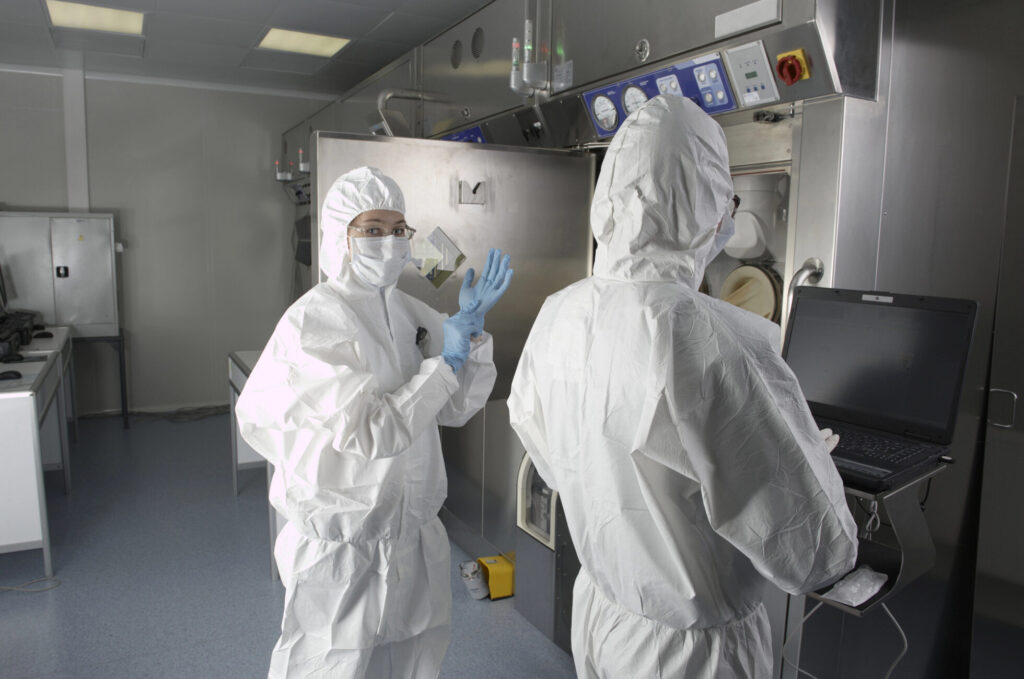
- Cleanroom garbing and behavior procedures
- Contamination control and prevention methods
- Environmental monitoring basics
- Personal responsibility in maintaining sterile conditions
- Understanding risk levels and compounding categories
Training combines didactic education with hands-on competency assessments. Pharmacy technicians must complete initial training before compounding sterile preparations and maintain ongoing competency through regular evaluation and continuing education.
Core Aseptic Technique Competencies Required by USP 797
USP 797 compliance rests on several interconnected elements: properly designed and certified cleanroom facilities, trained and competent personnel, validated cleaning and disinfection procedures, and comprehensive quality assurance programs. [1] This guide focuses specifically on the personnel training component—what pharmacy technicians must learn, how competency is validated, and why the quality of the training environment directly impacts patient safety.
Understanding the training definition is just the beginning. The real question is: what specific skills must pharmacy technicians master?
Aseptic technique training represents one of the foundational elements of USP 797 compliance, alongside environmental controls, personnel competency evaluation, and ongoing monitoring. These competencies protect both the sterile preparation and the patient who will receive it. Pharmacy technicians cannot begin compounding until they demonstrate proficiency in these core skills through hands-on assessment.

Hand Hygiene and Garbing Procedures
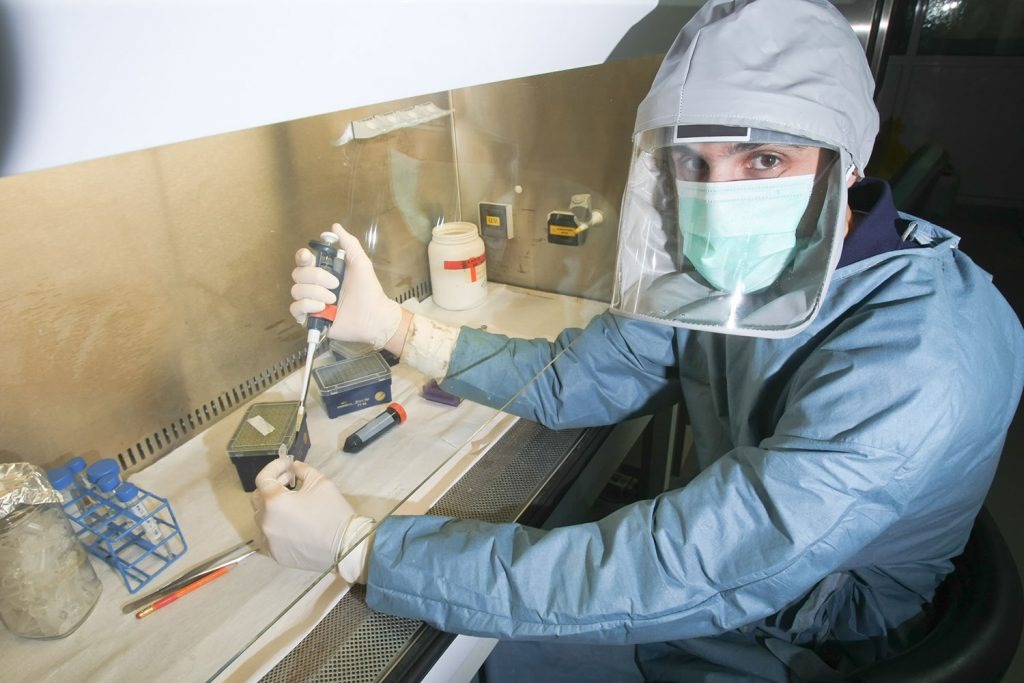
Proper handwashing protocols eliminate transient microorganisms before entering cleanroom areas. The garbing sequence matters just as much—each piece of protective equipment must be applied in the correct order to minimize contamination risk.
Common garbing errors that compromise sterility:
- Touching non-sterile surfaces after donning gloves
- Improper face mask positioning
- Gaps in gown coverage
- Continuing work with compromised gloves
Glove integrity checks teach technicians when to replace contaminated items immediately rather than continuing with compromised protection.
Working Within the ISO Class 5 Environment
Primary engineering controls—laminar airflow workbenches and biological safety cabinets—create the ISO Class 5 environment where sterile compounding occurs. Technicians must understand how these systems maintain air quality to work effectively within them.
Critical positioning requirements:
- Avoid reaching across critical sites
- Prevent blocking airflow patterns
- Move deliberately to maintain aseptic field
- Apply first air principles for material placement
Every vial top, needle hub, and syringe tip represents a critical site requiring constant protection. Training teaches technicians to position their bodies and maintain awareness throughout compounding procedures.

Aseptic Manipulation Techniques
Handling vials, ampules, and syringes without contamination requires specific techniques for each container type. Proper needle insertion and withdrawal—including angle, speed, and path—must become automatic through repetition.
The “no-touch technique” prevents critical site contamination. Even with gloves, touching critical sites with fingers introduces contamination risk. Technicians learn to use appropriate tools while maintaining awareness of shadowing and airflow interruption.
These competencies require hands-on assessment in validated cleanroom environments. Different risk levels may demand additional specialized techniques. Ongoing observation identifies technique drift, which is why periodic revalidation matters.
Understanding Compounding Categories
USP 797 organizes compounded sterile preparations into three categories based on contamination risk and environmental controls. Each category has different training requirements and beyond-use dates.
Category 1 preparations are compounded in ISO Class 5 primary engineering controls but may be in unclassified areas (segregated compounding areas). These have the shortest beyond-use dates and require less stringent environmental monitoring.
Category 2 preparations require ISO Class 5 primary engineering controls placed within full cleanroom suites with ISO Class 7 buffer rooms and ISO Class 8 ante-rooms. Training for Category 2 compounding includes additional competencies in environmental monitoring and documentation.
Category 3 preparations involve higher contamination risks—such as compounding from non-sterile ingredients or complex manipulations. These require the most frequent competency testing and environmental monitoring.
Pharmacy technicians must receive training appropriate to the highest category they will compound. Facilities cannot allow technicians to compound Category 2 or 3 preparations based solely on Category 1 training, even if basic aseptic technique competency has been demonstrated.
Media Fill Testing Procedures and Pass/Fail Criteria
Learning these techniques is one thing—but how do facilities verify that technicians can consistently perform them correctly?
Media fill testing serves as the validation tool that proves a pharmacy technician can compound sterile preparations without introducing contamination. This testing method simulates actual compounding processes while providing measurable results that demonstrate competency.
What Media Fill Testing Evaluates
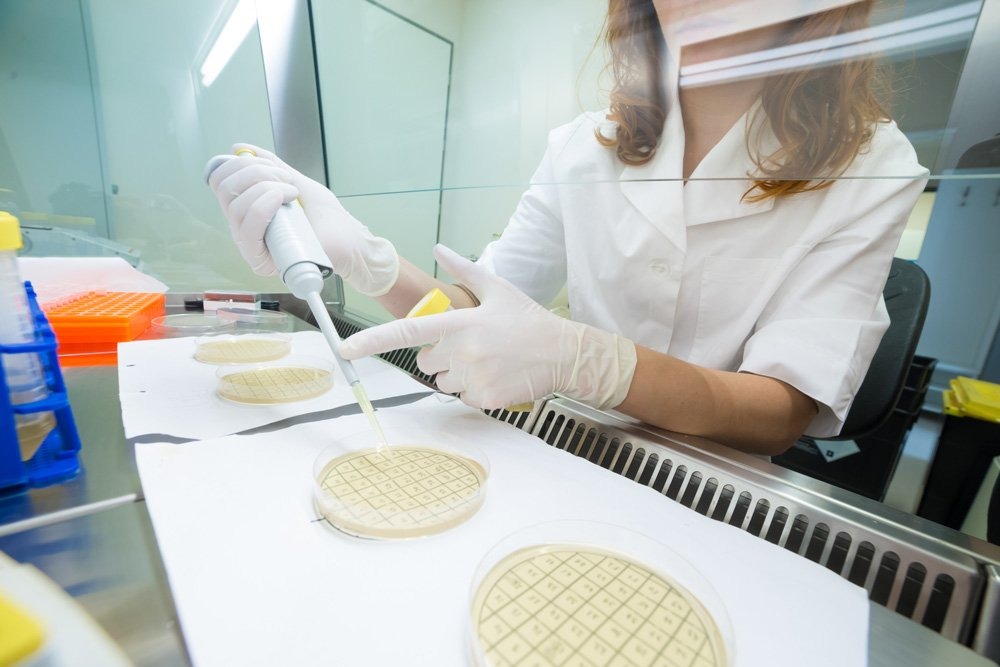
Media fill tests validate aseptic technique by having technicians perform compounding procedures using growth media instead of drug products. If microorganisms enter during the process, they grow in the media and become visible.
These tests simulate actual compounding as closely as possible. Growth indicates technique failures—improper hand hygiene, garbing errors, touch contamination, or other breaks in aseptic procedure. Initial competency testing occurs before independent work begins, while revalidation testing confirms continued competency over time.


Pass/Fail Criteria and What Happens Next
USP 797 requires zero growth for passing media fill tests. Even a single contaminated unit indicates a failure that requires investigation and remediation. This strict standard reflects the serious patient safety risks associated with contaminated sterile preparations.
Failed tests don’t always mean the technician performed poorly. Common failure causes include environmental contamination, equipment malfunction, or issues with the media itself. Determining the root cause helps identify whether retraining focuses on technique improvement or addresses environmental factors.
After failures, technicians receive additional instruction on problem areas, then demonstrate competency through repeat testing. Some facilities require multiple consecutive passes before allowing independent compounding. Documentation must include test conditions, procedures performed, results, and corrective actions.
Frequency Requirements for Ongoing Competency
Required testing frequency:
- Every 6 months: Categories 1 and 2 compounding
- Every 3 months: Category 3 preparations
- Immediate: After extended gaps, technique concerns, or contamination events
Environmental monitoring results may trigger additional testing if contamination issues arise in the compounding area.
Media fill testing must occur in the actual compounding environment where technicians work. The testing protocol includes surface sampling of the work area immediately after the media fill test is completed. This surface sample evaluates whether the technician’s aseptic technique during the test introduced contamination to work surfaces.
Failed surface samples can indicate technique errors—such as touching contaminated surfaces or allowing media to splash—even if the media fill vials themselves show no growth. This integrated assessment approach highlights why both technician competency and certified, well-maintained cleanroom environments are critical for accurate and valid competency evaluations.
The Role of Environmental Quality in Test Validity
Media fill test results only provide meaningful competency assessment when performed in properly controlled environments. A technician may execute perfect aseptic technique, but if the cleanroom’s HEPA filters are compromised, airflow patterns are disrupted, or surface contamination exists, the media fill test may fail due to environmental factors rather than technique errors.
This creates a critical challenge for training programs: how can facilities distinguish between technician technique failures and environmental control failures? The answer lies in concurrent environmental monitoring performed alongside competency testing.
Environmental Testing Standards That Support Training Programs
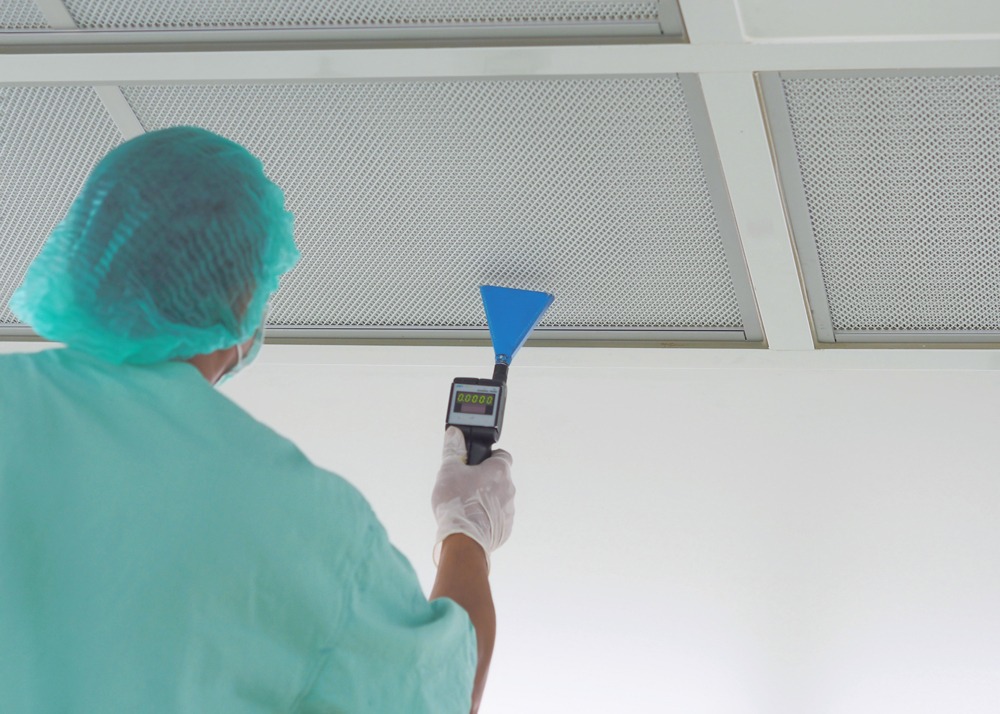
Regular cleanroom certification verifies environmental conditions through industry-recognized testing standards:
- ISO 14644 — Air cleanliness classification through particle count testing under dynamic operating conditions
- IEST RP-CC006 — HEPA filter integrity testing to detect leaks that could compromise sterile compounding areas
- NSF/ANSI 49 — Biosafety cabinet certification verifying airflow velocities and filter performance
Surface sampling of the direct compounding area occurs immediately after media fill test completion. Air quality monitoring verifies ISO classification standards during testing. Temperature and humidity records confirm acceptable environmental conditions.
When environmental controls are documented through regular certification testing, failed media fill tests can be investigated with confidence. Compliant environmental monitoring clearly indicates whether retraining is needed or if cleanroom issues require correction before personnel retesting.
This integrated approach protects both patient safety and fairness to compounding staff. Most facilities perform cleanroom certification every six months, providing documented evidence that training environments meet standards for valid competency assessments.
Ongoing Training Frequency and Documentation Methods
Passing initial competency assessment isn’t the end of the training journey. USP 797 requires continuous validation throughout a technician’s career through ongoing education, regular reassessment, and continuous documentation that proves skills remain current.
Initial Training vs. Ongoing Competency Assessment
Comprehensive initial training must occur before any compounding activities begin. This education covers all fundamental concepts, techniques, and procedures necessary for safe sterile compounding. Initial training typically includes both classroom instruction and hands-on practice in controlled environments.
The difference between one-time education and continuous competency verification reflects how skills can deteriorate over time. Initial training establishes baseline knowledge and technique, while ongoing assessment confirms that those capabilities persist throughout months and years of practice.
USP 797 requires both knowledge assessment and skill demonstration. Written or electronic tests verify that technicians understand contamination risks, proper procedures, and quality standards. Hands-on evaluations through media fill testing prove they can execute these procedures correctly in actual compounding situations.
Transitioning from training to independent compounding privileges occurs only after successful completion of all competency assessments. Facilities must document this transition clearly, establishing when a technician gained authorization to compound without direct supervision.
Required Retraining and Reassessment Schedules
Competency revalidation every six months represents the minimum requirement for Categories 1 and 2, with Category 3 requiring quarterly assessment. Every technician must demonstrate continued proficiency through media fill testing and knowledge verification at these minimum frequencies.
Situations requiring immediate retraining:
- Policy changes affecting compounding procedures
- Extended absences from compounding work
- Contamination events raising technique questions
Continuing education provides ongoing learning about evolving standards, new contamination risks, and updated regulatory requirements. Regulatory inspections verify training currency by examining documentation, assessment results, and revalidation dates. [2]
Documentation Requirements That Satisfy Inspectors
Training records must be maintained throughout employment and often for several years afterward. These records prove competency existed when compounding occurred.
Essential documentation elements should include:
- Technician name and assessment date
- Type of assessment performed
- Results achieved
- Evaluator name
Media fill test records require specific retention periods and must show units prepared, environmental conditions, incubation parameters, results, and any deviations.
Documentation gaps represent common inspection findings resulting in violations. Automated tracking systems help prevent lapses by alerting supervisors when assessments approach due dates.
Competency assessments performed in environments that don’t meet ISO classification standards may be questioned during regulatory inspections, as the test conditions wouldn’t accurately reflect compliant compounding operations. Proper cleanroom certification provides foundational evidence that training programs operate in appropriate conditions.
Ensure Your Cleanroom Supports Valid Training and Compliant Operations
Proper USP 797 training requires validated cleanroom environments. Without environmental controls and testing, your competency assessments may not meet regulatory standards.
Since 1976, Allometrics has provided cleanroom testing and certification services to compounding pharmacies across Texas, Louisiana, and nationwide. As an A2LA ISO 17025 accredited laboratory, our testing procedures and equipment calibrations meet internationally recognized standards for measurement accuracy and reliability.
Regular cleanroom testing protects training program validity and operational compliance. Environmental monitoring, HEPA filter certification, and ISO classification verification create the foundation for defensible training documentation.
Ready to discuss your cleanroom testing needs? Call (281) 474-3329
FAQ: Understanding USP 797 Training for Pharmacy Technicians
Pharmacy technicians must demonstrate competency in proper hand hygiene, garbing procedures, aseptic manipulation techniques, and working within ISO Class 5 environments. USP 797 requires proficiency in contamination control, no-touch technique, and passing media fill testing with zero growth. Technicians cannot begin compounding until facilities validate these competencies through hands-on assessment in properly certified cleanroom environments.
USP 797 training prepares pharmacy technicians through specialized education combining classroom instruction with hands-on practice in controlled environments. Training programs cover aseptic technique, contamination prevention, proper garbing sequences, environmental monitoring basics, and understanding compounding risk categories. Technicians complete initial training and pass competency assessments before working independently, with ongoing education maintaining skills throughout their careers.
Pharmacy technicians performing Categories 1 and 2 compounding must complete competency revalidation at least every six months, while Category 3 requires quarterly assessment. Facilities must also provide immediate retraining after extended absences, policy changes affecting compounding procedures, or contamination events raising technique questions. Ongoing continuing education keeps technicians informed about evolving standards and regulatory requirements. [3]
Resources
- https://pmc.ncbi.nlm.nih.gov/articles/PMC6628547/
- https://nabp.pharmacy/news/blog/whats-next-for-continuing-pharmacy-education-trends-and-lessons-from-covid-19/
- https://www.ashp.org/pharmacy-practice/resource-centers/compounding