
The Role of Calibration in Cancer Research and Treatment
November is the month where health organizations collaborate to raise awareness for different types of cancer, including lung, pancreatic, and stomach.
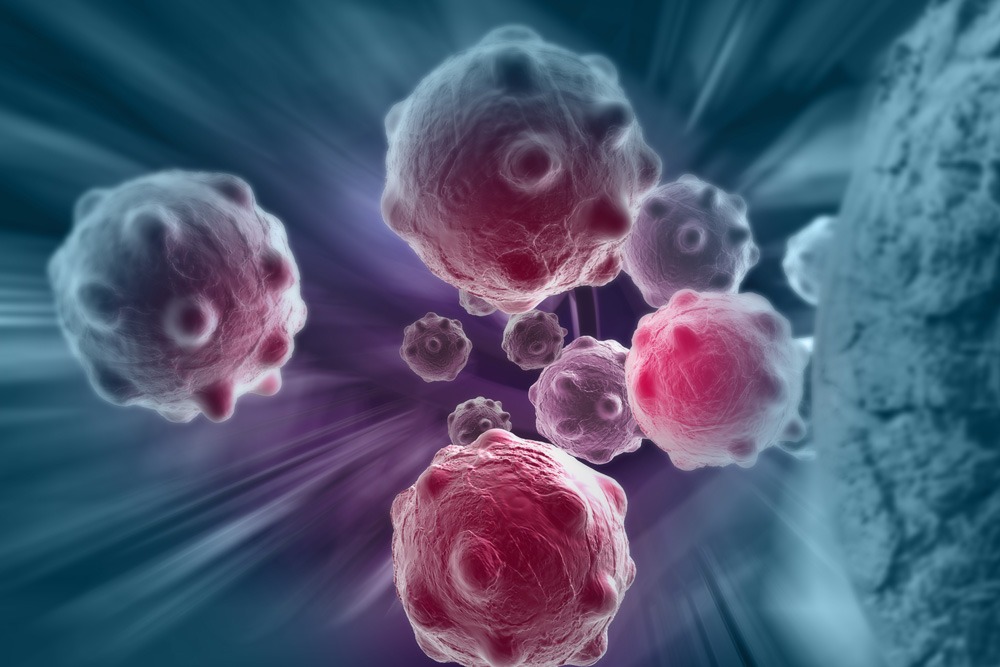
Cancer researchers continuously make discoveries that help understand the origin and progression of this devastating type of illness. Their findings, in turn, help develop new drugs and improve cancer treatments, which one day will hopefully be able to eradicate the disease.
Why Calibration is Important
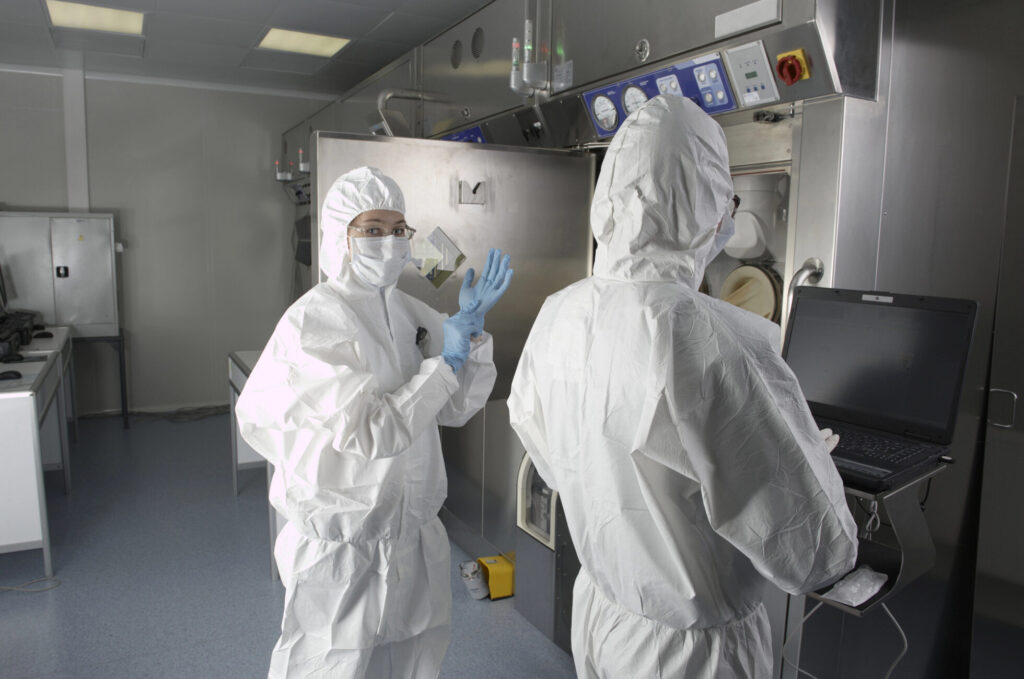
Pathology and medical laboratories need to work in sterilized controlled environments that are equipped to handle biological specimens. Additionally, to help diagnose cancer, these laboratories use specialized equipment to analyze tissue, blood, serum, and other body fluids.
Given the delicate nature of these analyses, every instrument must comply with the manufacturers and international standards, and must, therefore, undergo regular calibration.
Likewise, pharmaceutical laboratories also require the use of cleanrooms and precise and accurate equipment when manufacturing different cancer drugs.

USP 797 and USP 800 Compliance
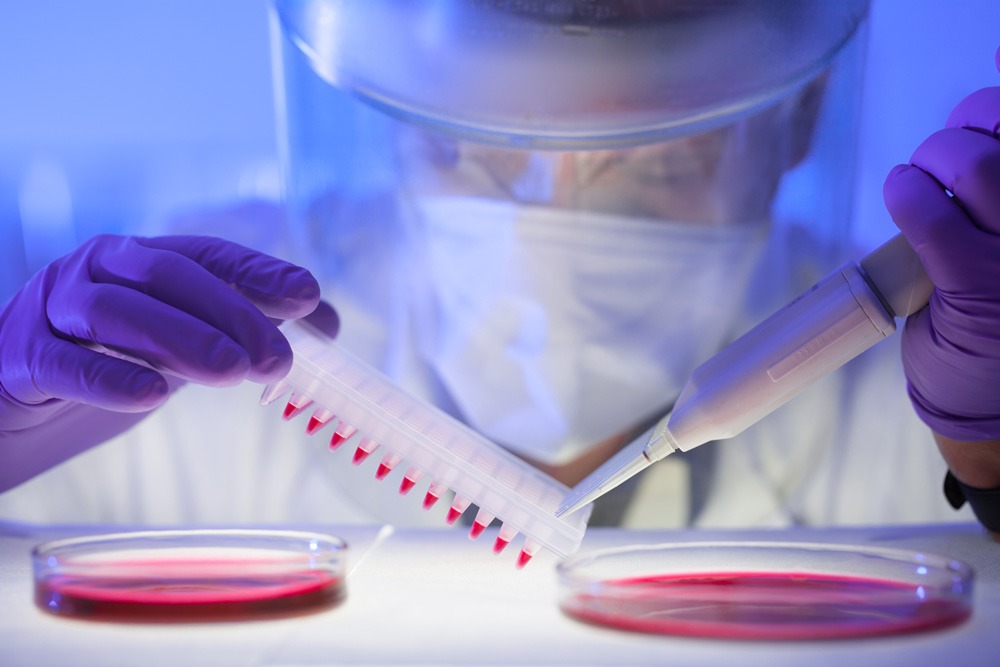
Many of our pharmaceutical customers have HD Buffer Rooms explicitly used for the manufacturing and dosing of chemotherapy drugs.
These cleanrooms are subject to USP 797 and USP 800 regulatory compliance. USP 797 is what specifies both the procedures and environmental requirements for compounded sterile preparations to ensure the quality and safety of pharmaceutical compounded products.
USP 797 certification concerns itself with several factors, including:
- HVAC Systems
- Cleanroom Requirements
- Humidity, Temperatures, and Pressure Factors
- Equipment Requirements
- Equipment Maintenance Specifications
On the other hand, USP 800 was created to protect lab technicians and healthcare professionals from potential contamination of “HD” or hazardous drugs while manufacturing or administering these.
At Allometrics, we test and certify clean rooms to be USP 797 and USP 800 compliant. We know our clients rely on the conformity of their clean rooms to fulfill not only their legal requirement but also their commitment to keeping patients, technicians, and healthcare professionals safe.
Dosimetry and Instrument Calibration
Chemotherapy and radiation therapy are two of the most widely used forms of cancer treatment. Radiation therapy uses ionizing radiation to destroy harmful cancerous cells. However, humans cannot detect radiation levels without the use of specialized equipment.
When patients receive ionizing radiation as part of their cancer treatment, it must be accurately measured to ensure no harm comes to the patient.
Several global organizations, including the International Atomic Energy Agency (IAEA), the International Commission of Radiation Units and Measurements (ICRU), and the Bureau International Des Poids et Mesures (BIPM), have worked to establish international radiation therapy protocols aimed at protecting the wellbeing of cancer patients.
The goal of these organizations is to encourage countries to use a standardized dosimetry protocol along with instruments that undergo regular calibration, which is traceable to national and international standards, thus ensuring that radiation doses are highly consistent.
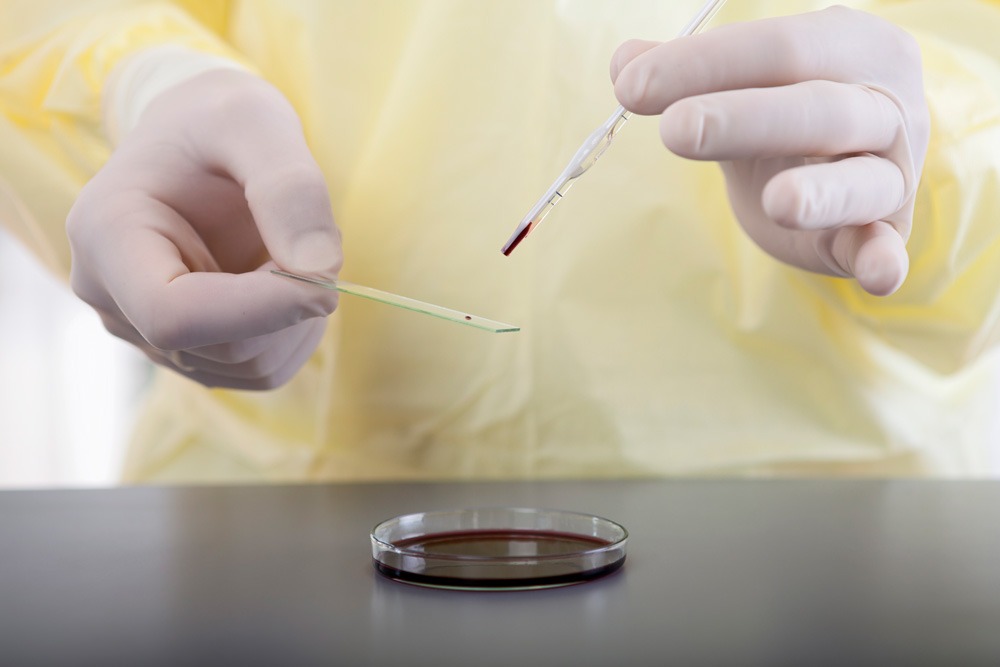
At Allometrics, we are proud of the work we do, which enables research and pharmaceutical labs to continue their extraordinary work in discovering and manufacturing more effective and safer treatment options for cancer patients.