
How is a Pipette Used, and What is its Purpose?
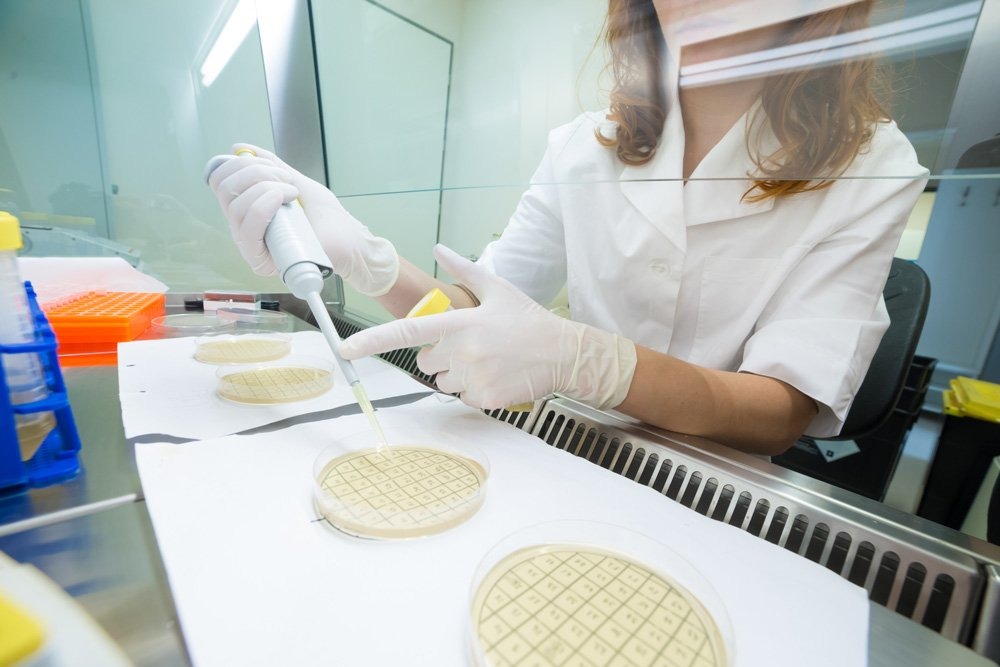
Pipettes are indispensable instruments in any science lab. These tools, whether manual or electronic, accurately measure and safely transport and dispense small volumes of liquids.
The term pipette derives from French and means little pipe. These devices come in various shapes and sizes and have many applications.
The Importance of Pipettes in Lab Settings
While their purpose might seem simple, these instruments play a critical role within laboratories and provide many benefits, including:
- Ensure Measurement Accuracy and Precision
The integrity of scientific findings relies on their ability to reproduce results using the same parameters. To accomplish this, scientists rely on pipettes to accurately measure and then dispense liquid samples time and again.
- Preserve Sample Integrity
Pipettes are an essential component of quality assurance in the laboratory. They provide a sterile environment to aspirate, transport, and dispense liquid samples. Additionally, many pipettes now use disposable tips to help minimize the risk of cross-contamination.
- Protect Lab Personnel
Pipettes not only isolate samples from contaminants but also help prevent lab workers from coming into contact with potentially hazardous materials.
- Reduce the Risk of Repetitive Strain Injuries
Automated, electronic, and multichannel pipettes can reduce the number of steps needed to perform tests, reducing hand fatigue and helping to minimize repetitive stress injuries (RSI), one of the most common workplace injuries in laboratory staff.
Types of Pipettes
Many different types of pipettes exist. However, it’s important to remember that not all offer the same level of accuracy.
Volumetric Pipettes
These remain the gold standard in accuracy and precision measurement. Volumetric pipettes range in size and are calibrated to provide a precise amount of liquid consistently.
Commonly used in analytical chemistry, scientists use volumetric pipettes to create solutions from a base stock and prepare solutions for titration.
Graduated Pipettes
Although less accurate than volumetric pipettes, graduated pipettes indicate their volume along the tube, allowing the user to see the precise measurement.
Smaller graduated pipettes vary in size. In general, smaller pipettes provide more exact fluid measurements than bigger ones. So larger graduated pipettes should be used only when precision is less critical.
Micropipettes
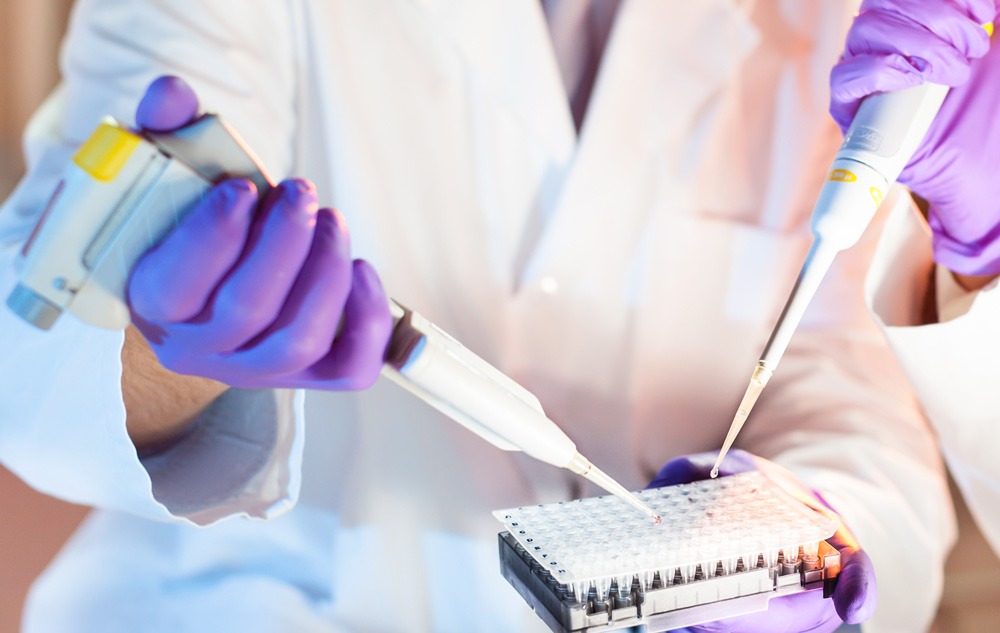
Micropipettes are essential lab instruments that enable scientists and technicians to measure, transfer, and dispense liquid samples in the microliter range.
Single and multichannel micropipettes are available. Single-channel micropipettes are ideal when performing immunology, microbiology, molecular biology, biochemistry, cell culture, and genetics research. Multichannel micropipettes, on the other hand, are essential tools when performing diagnostic tests, molecular screenings, DNA amplification, and kinetic studies.
How Often Should You Calibrate Your Pipettes?
For reliable test results, your lab equipment, especially those used to measure samples, must be calibrated.
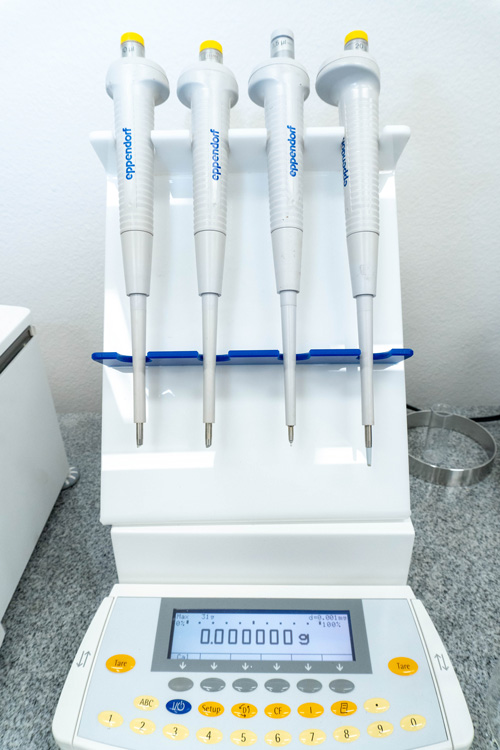
The accuracy and precision of pipettes can be affected by normal wear and tear, just like any other piece of laboratory equipment. The Clinical and Laboratory Standards Institute (CLSI) recommends pipette calibration every three to six mounts due to the frequency with which the instruments are used in laboratories.

Allometrics Ensures Your Pipettes Accuracy and Precision
A quality control and maintenance program must include the cleaning and calibration of your lab’s measurement instruments. Regular calibration ensures accurate and reliable results over time, allowing you to have complete confidence in your test results and remaining compliant with all industry regulations.
At Allometrics, we specialize in calibrating all types and makes of pipettes. All our services are NIST traceable and performed by highly trained technicians.
Our fast turn-around times, superior customer service, and competitive pricing make us your best ally in pipette calibration.
If you have questions regarding our services or want to schedule a pipette calibration service, contact us today!