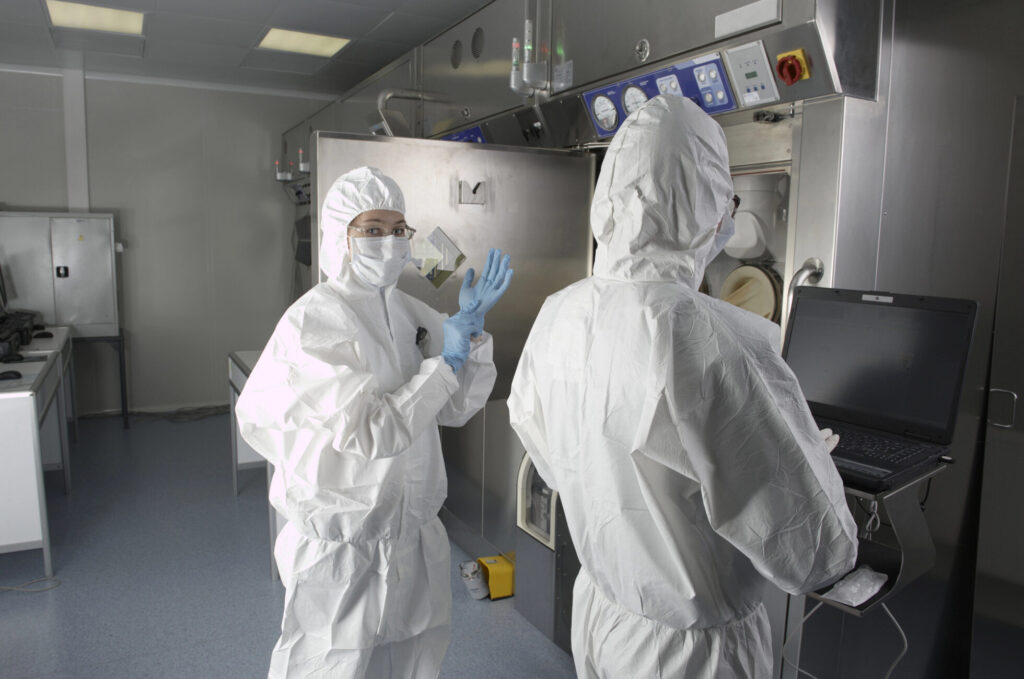

The importance of indoor air quality makes a significant difference in the quality of your end product and employee health/wellness.
Many of us don’t concern ourselves with our work environment’s indoor air quality (IAQ). We assume the air we breathe in our office, lab, or industrial setting is safe and that HVAC systems receive their proper maintenance.
While this may be the case for many business settings, the truth is that clinical laboratories and some manufacturing and packaging work environments are inherently hazardous.
Lab technicians working with biohazard materials experience constant dangers. Manufacturing and petrochemical plant workers also endure similar threats.
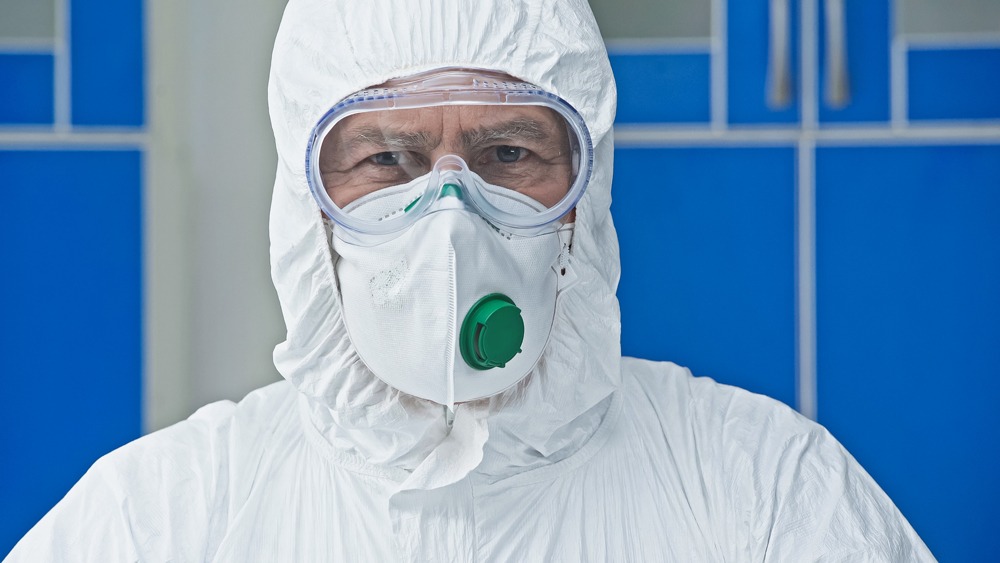
Providing employees with proper Personal Protective Equipment (PPE) and utilizing standard environmental precautions are two essential keys to guarantee your work team’s safety. Yet much more can be done to provide a safe work environment that protects your employees and the quality of your products and ensures compliance with industry regulations.
Assessing Indoor Air Quality
Assessing the air quality in an area entails surface testing, ventilation systems, and HEPA filters for specific parameters and contaminants.
The process is both affordable and highly reliable when qualified technicians perform the testing. Data collected during the assessment is instrumental to identifying deviations from regulatory standards applicable to each environment.
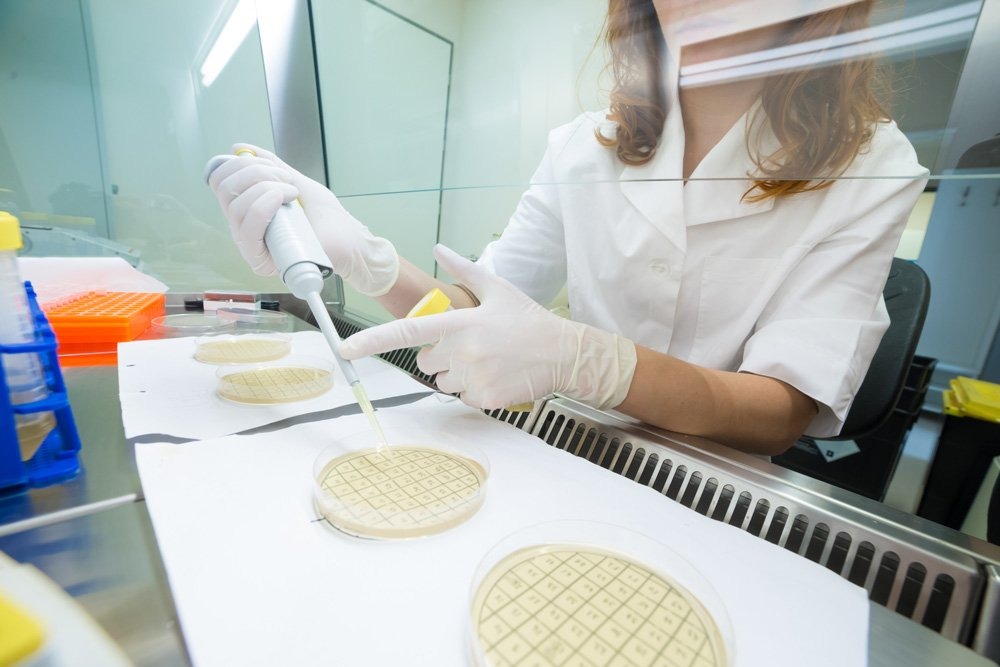
Conducting a Surrogate Bacterial and Air Sampling is an excellent way to assess air quality in various settings. This type of testing is highly effective in research and development facilities such as labs and compounding pharmacies, but its applications go far beyond these. A surrogate bacterial and air sampling test can benefit all businesses, from manufacturing and packaging plants to restaurants, offices, and classrooms.
Surface area sampling will determine the bacterial population of an area. At the same time, air sampling will provide accurate measures of air contaminants that can endanger operators and contaminate products which could lead to costly recalls.

Cleanroom Certification
If your business requires the use of a cleanroom, you know how stringent regulations can be. Cleanrooms are necessary for working with sensitive and potentially hazardous materials, and therefore high quality air, that is free of contaminants and dangerous air particles, is imperative.
The pharmaceutical sterile compounding industry is heavily regulated. In order to maintain contamination-free production environments and remain compliant with USP 797 and USP 800 regulations, periodic cleanroom certification is necessary.
Without it, contamination levels can quickly escalate to dangerous levels, putting lives at risk.
Improving the Air Quality in Your Work Environment
Pharmacies, doctor’s offices, clinics, Emergency Rooms, and Hospitals must have industrial-grade HEPA purifier systems to prevent the spread of diseases and minimize the adverse effects of polluted air, which could significantly aggravate a patient’s condition.
However, regardless of which industry you operate in, providing a clean and safe indoor work environment should be a top priority.
Excellent air quality significantly reduces the risk of illness within your work staff, promotes productivity, and ensures your products are safe for consumption by the general public.
Wouldn’t it be great if you could easily and affordably improve the air quality within your business?
Installing an industrial-grade environmental HEPA purifier system is now possible for any business. The FS70 from QleanAir Scandinavia allows you to turn any area within your workspace into a highly efficient industrial air purifier, complete with an air filtering system with 99.995% tested efficiency.
HEPA purifier systems provide a range of benefits:
- Less dust and cleaner surfaces leads to the prevention of the growth of mold and bacteria and reduces your cleaning costs.
- Minimize Health-Related Issues: Cleaner air can help reduce the spread of viral infections; this, in turn, can help you save on health insurance costs and disruptions due to staff taking sick leave.
- Lower Allergen-Related Problems: Increase productivity among staff members who suffer from disruptive allergies.
- The FS70 improves air distribution and can therefore help lower your monthly energy costs.
- Extend the shelf life of perishable products: Fewer airborne contaminants can boost your profits by extending the shelf life of produce and minimizing waste.
We all deserve to work in a safe and healthy environment. Clean air is a critical component of healthy work environments.
Allometrics is the most trusted provider of cleanroom certifications. Additionally, we can help you determine the cleanliness of surface areas and the quality of your indoor workspaces at an affordable price and with fast turnarounds.
We are an authorized distributor for QleanAir Scandinavia, the manufacturers of the FS70. Call us today to request a free quote and start breathing a little easier.