
Minimize the COVID-19 Risk for Your Company Through Bacterial Surface and Air Sampling
The big question today, “How do I minimize the COVID-19 risk and get back to work?” As the country grapples with the novel coronavirus that causes COVID-19 infections, businesses across the country are searching for cost-effective ways to keep their staff and clients safe.
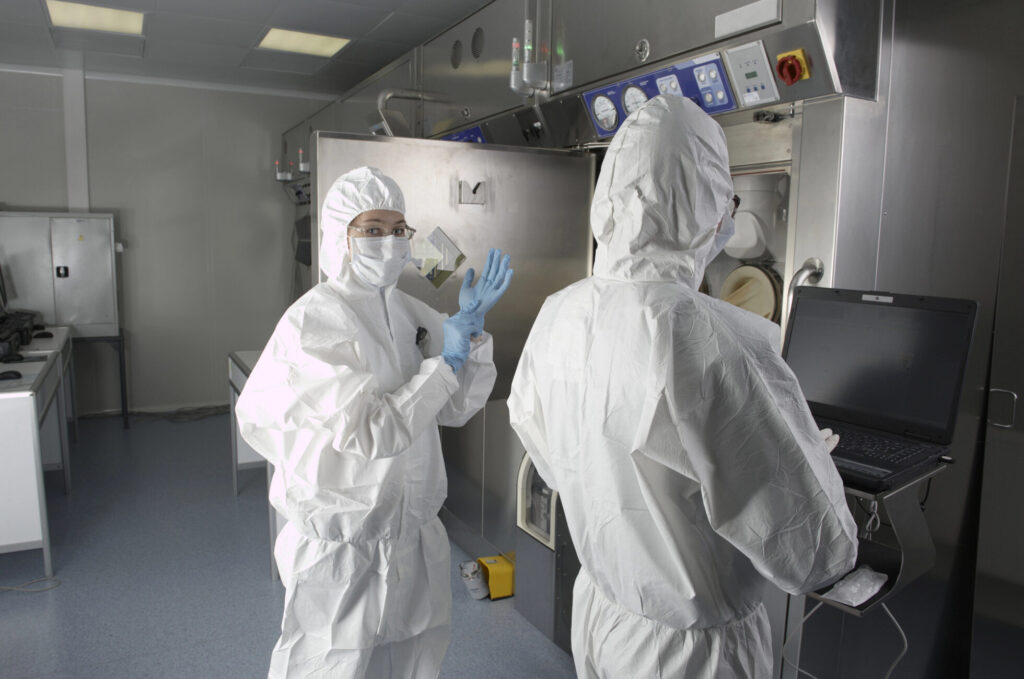
Food processing plants, restaurants, and publicly accessible spaces find themselves needing to improve their cleaning and hygiene policies.
However, it can be challenging to verify cleanliness and produce accurate logs that can help limit a facility’s liability in case a member of their staff or customer becomes infected after visiting or consuming their products.
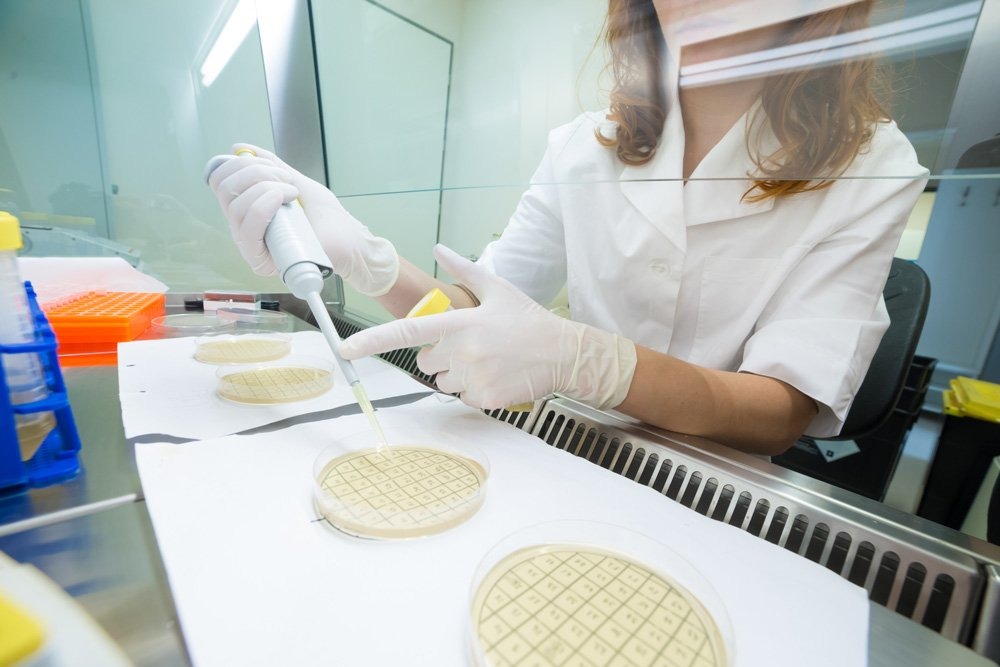
Bacteria are not visible to the naked area, and while a surface may seem clean disease-carrying bacteria could be present. Surface and air sampling tests help determine which bacteria and in which quantity are living in any given place.
Additionally, surrogate testing will evidence the effectiveness of the current cleaning procedures as well as determining if the staff is following the established cleaning protocols correctly.
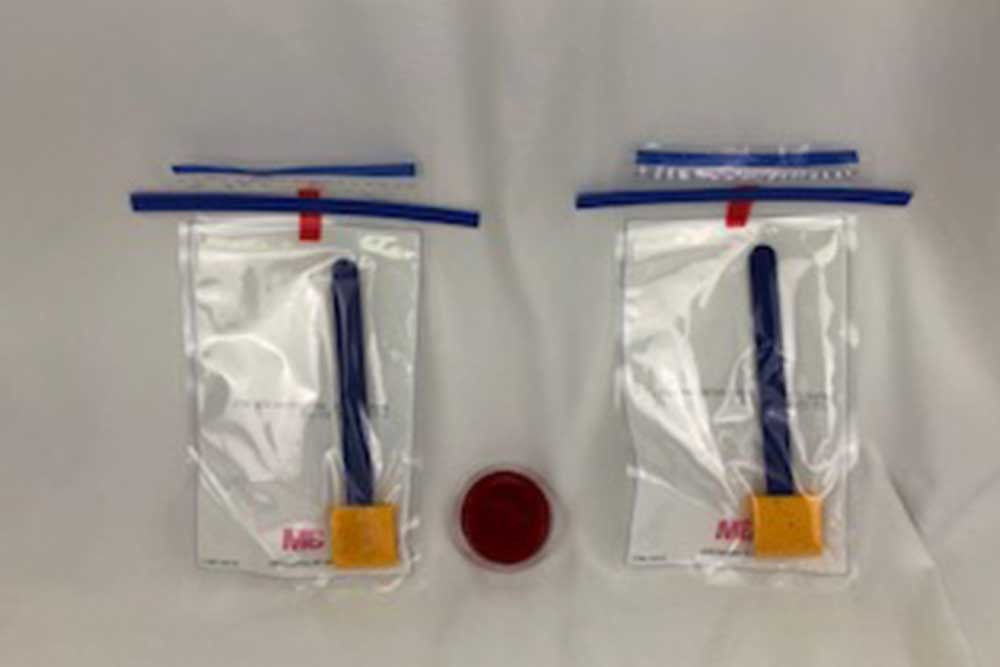
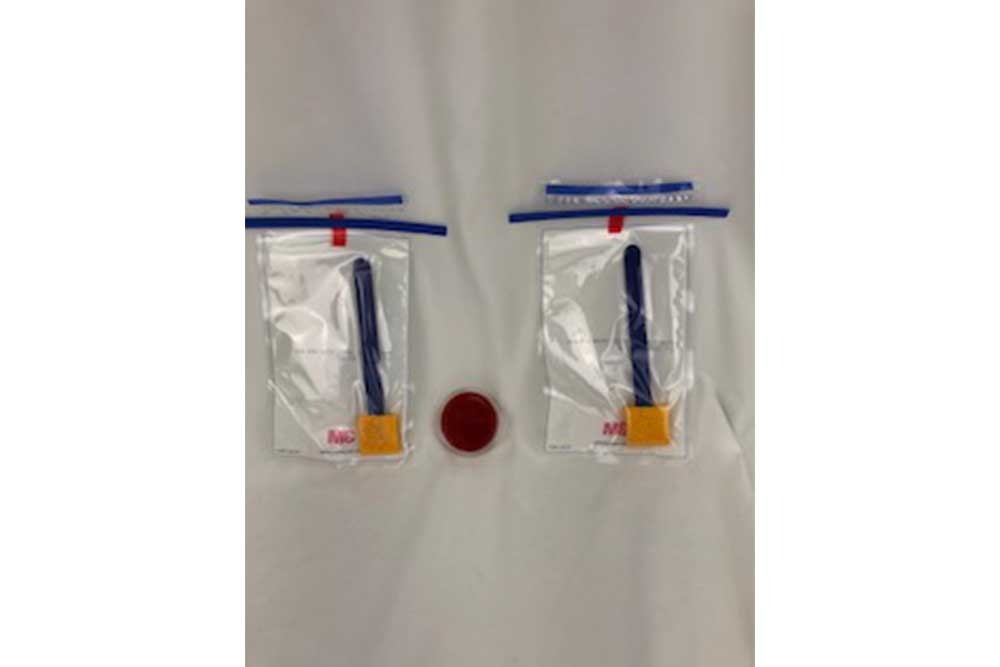
Thanks to fast processing times, wipe samples are the best way to test if harmful bacterial are lurking in unsuspected places.


Recommended Bacterial Surface and Air Sampling Tests
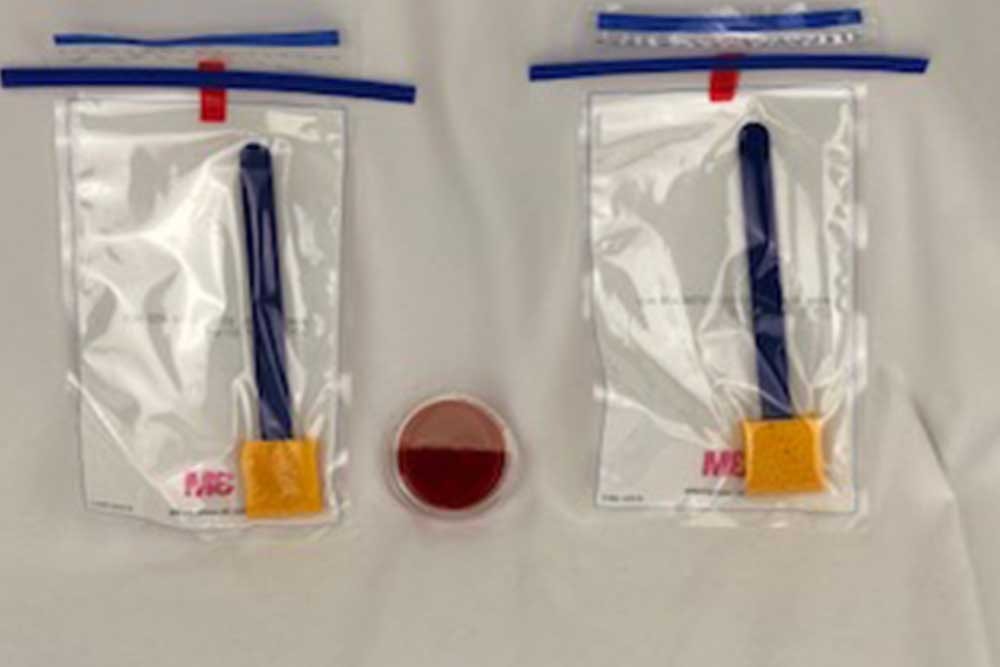
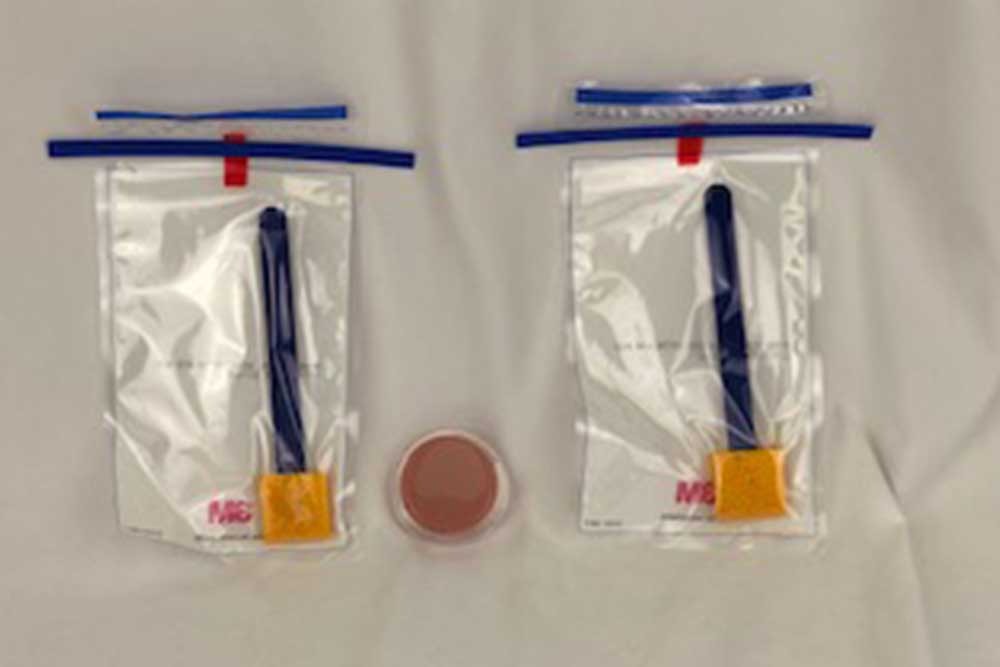
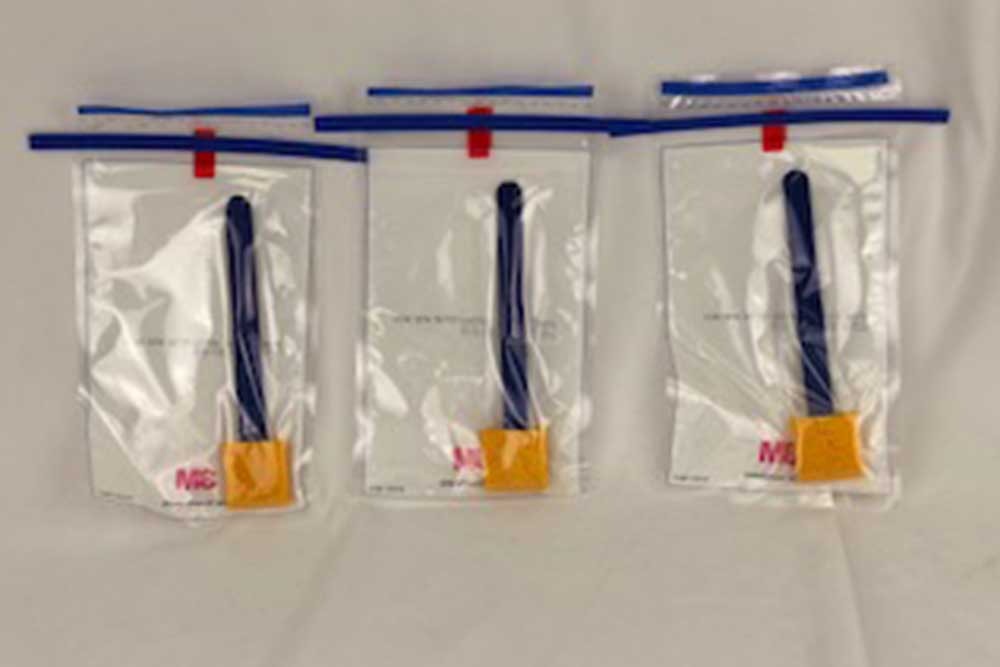
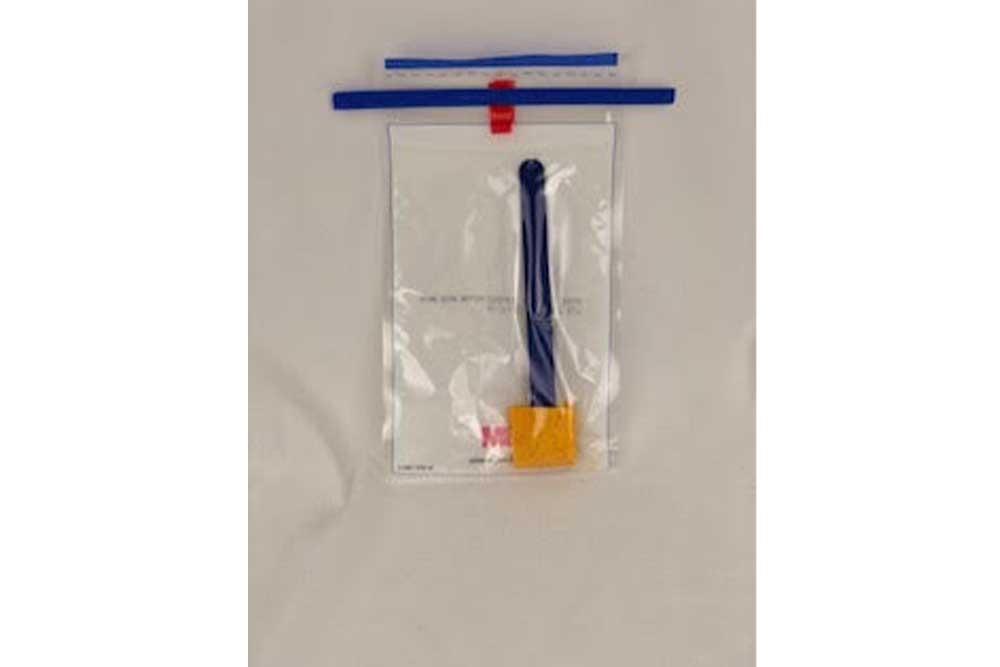
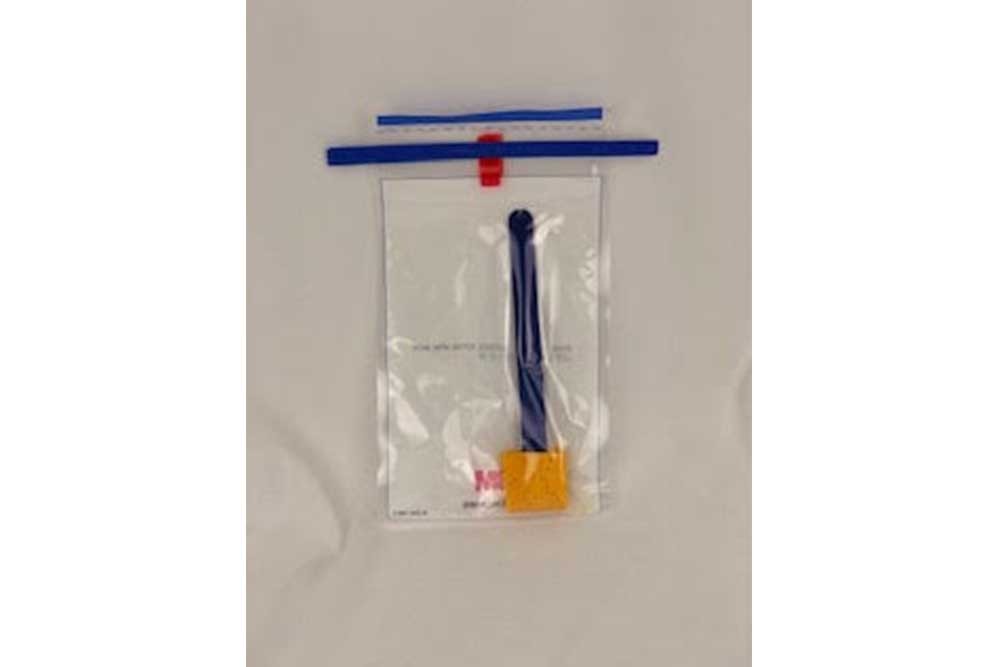
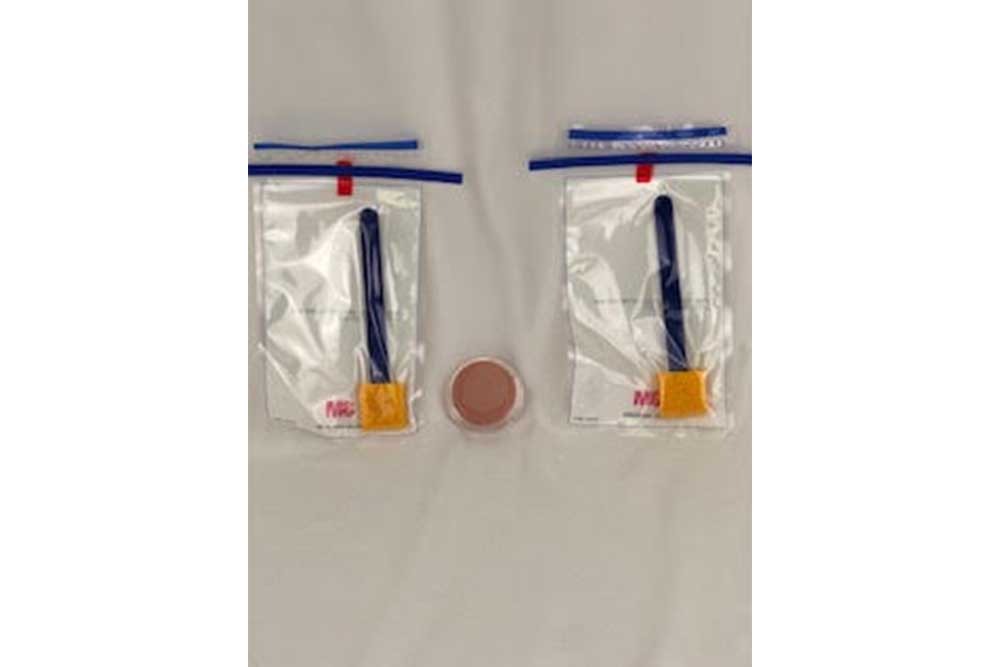
What would be a safe and affordable way to help Minimize the COVID-19 risk at my place of work? Test Code 2037 and 2037.1 are the most recommended bacterial surface and air sampling tests when collecting surface area and air samples.
These surrogate bacterial and air sampling analysis collects respiratory organisms, including:
- Alpha Strep
- Gamma Strep
- gnr
- S. aureus
Many of these bacteria can cause respiratory infections; however, it’s important to note that traditional bacterial surface and air sampling tests do not test for the SARS-CoV-2 virus responsible for the current COVID-19 pandemic. Determining the presence of COVID-19 requires specific molecular testing, which Allometrics does provide.
Test Reporting
When you obtain one of our bacterial surface and air sampling tests, you will receive a full report detailing the type and count of the organisms found in the sample area.
The report also indicates if reservoirs for the bacteria are human, animal, or environmental. Most importantly, the report clearly shows whether the bacteria type and count are within acceptable ranges.
How Fast Will You Receive Test Results?
One of the most significant advantages of the bacterial surface and air sampling tests provided by Allometrics is its fast turnaround.
Results are typically available within 2-3 business days. Quick access to accurate and detailed results means businesses across a myriad of industries can implement corrective measures and alert employees and the general public of possible contamination.
The results provided by the bacterial surface and air sampling test can help protect businesses from potential liability issues due to exposure to harmful bacteria, which can result in financial losses due to product recalls and possible lawsuits. (See Sample Report).

Additional to everyday cleaning and safety protocols, companies working within the food processing, medical, clinical, and pharmaceutical industries must implement constant monitoring and testing protocols to prevent the spread of potentially infectious diseases.
At Allometrics, we continue to work hard to help our clients comply with all health and safety guidelines established by local and federal agencies.
For more information on our services and how we can help your business adjust to the new normal, please contact us at info@allometrics.com. It will be our pleasure to assist you.
It’s time to get back to work but safely! We’ll help you minimize the COVID-19 Risk for you, your company and your customers.