
Learn about the traits of an excellent calibration company to separate the good from the excellent. If you are the head of the operations and maintenance department, chances are you don’t feel any excitement when the topic of equipment calibration comes up.
Let’s face it; precision equipment calibration involves a lot of work, including paperwork and planning, not to mention the daunting task of selecting the best calibration company for your needs.
With so many options, deciding on a reliable, qualified metrology laboratory is a complex process. The following guide will help you select the calibration provider that meets your requirements and who can help you minimize or eliminate costly-re-work resulting from flawed testing and non-compliant practices.
What To Check Before You Decide on a Provider
1. Are they an ISO 17025 Accredited Laboratory?
There are two levels of calibration services:
Standard Calibration: Providers who offer standard calibration will provide you a calibration certificate.
However, the main issue with standard calibration services is that they are not regulated, and therefore you will always have uncertainty regarding the quality of their services. Additionally, calibration certificates issued by an unaccredited laboratory may not suffice to remain compliant with regulatory agencies in your industry.
ISO 17025 Accredited Laboratories:
ISO 17025 is the gold standard of measurement companies. The accreditation certifies that the lab is technically competent and has a robust quality assurance program in place that ensures they can consistently produce precise and accurate calibration data.
ISO 17025 accredited labs test and calibrate equipment according to the strict ISO/IEC 17025 standards. Calibration certificates include the accrediting body’s logo, the calibration date, and the calibration due date if required by the client.
Additionally, certificates must include a nationally or internationally recognized traceability statement as well as all measurement data and uncertainty for each parameter tested.
2. Do They Have Ample Capabilities?
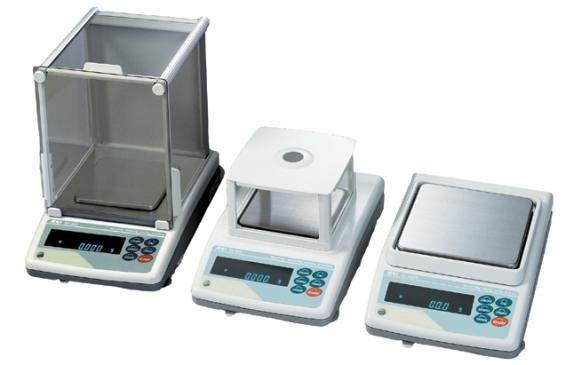
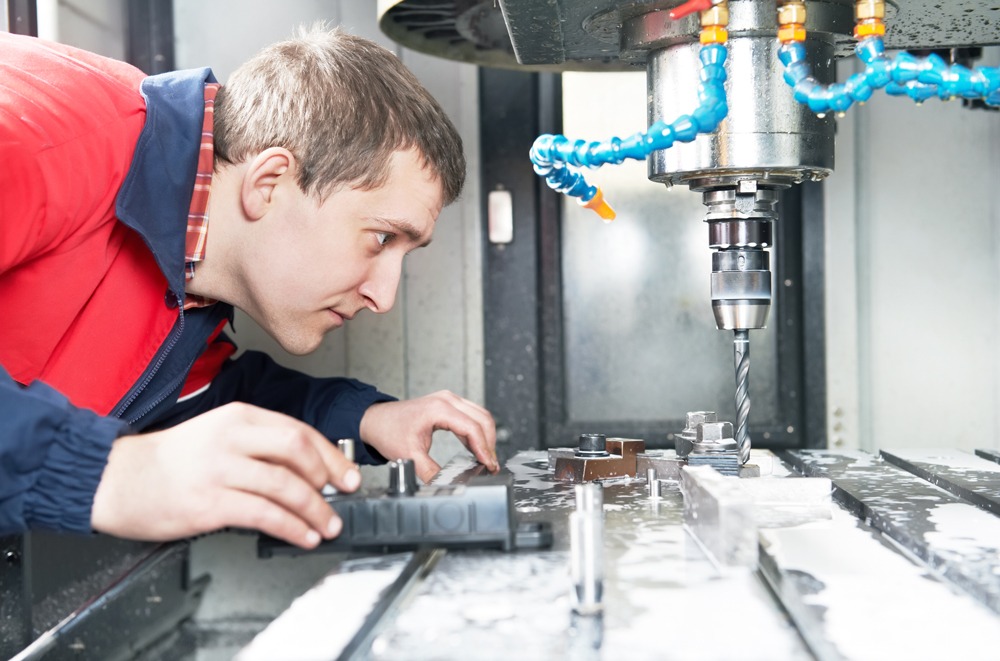
Calibration needs vary from one industry to another. Manufacturing uses a range of equipment including, pressure gauges, torque wrenches, micrometers, and ovens, while labs use higher precision instruments that allow them to detect micro differences in measurements. Pharmaceutical manufacturers need to comply with USP 797 and USP 800 regulations to ensure the safety of employees and end consumers.
When choosing a calibration services provider, ensure that they can calibrate your equipment and are accredited for it.
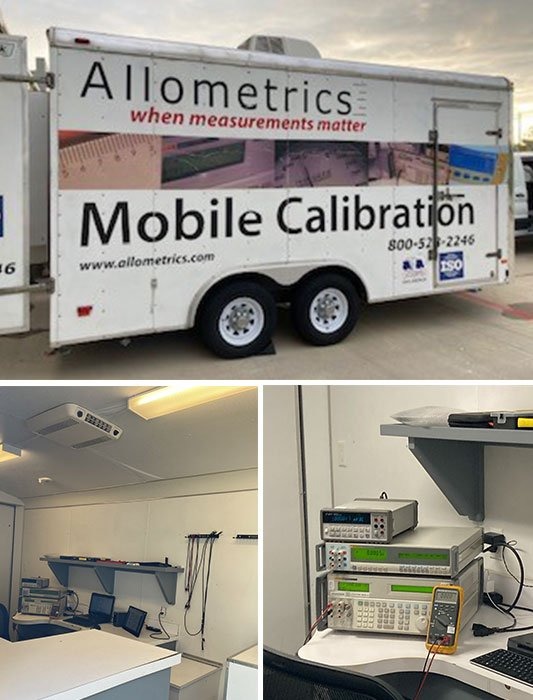
3. Do They Offer Onsite Calibration Services?
Some instruments will require onsite calibration because of their size, the cost involved in shipping the equipment, or simply due to downtime constraints.
Knowing your calibration provider has the technical capacity to come to you and make your life easier is invaluable.
4. Are their Measurements Traceable to National and International Standards?
The primary purpose of equipment calibration is to ensure your instruments match up to acceptable standards used both nationally and internationally.
As mentioned before, calibration certificates provided by an ISO 17025 accredited lab will have proven traceability to the required standards.
5. Are Their Technicians Certified?
The quality of your calibration service largely depends on the training and experience of the technicians performing it.
The world of metrology is in constant flux and keeping up with the latest technology and best practices is essential.
While interviewing potential labs, make sure to ask about their ongoing training policies.
6. Do They Offer Fast Turn Arounds?
Calibrating your equipment can result in downtime, and therefore fast turnarounds are imperative.
Ask for references to verify that the calibration company you are interviewing adheres to their delivery times without compromising the calibrations’ quality.
7. Customer Service Is Important
Few things are as frustrating as dealing with inefficient and rude customer service and sales staff. When you are looking for a calibration lab, remember that you are looking to build a long-term business relationship.
Attentive, knowledgeable, and accountable customer service is just as important as the quality of the calibration service you receive.
8. Do They Offer Rapid Response?
Unexpected equipment repairs are costly and stressful. Finding qualified technicians who can provide quality service with a fast turnaround can also be challenging.
Allometrics offers its clients an exclusive service known as the Allometrics Service Assurance Program (ASAP).
When you become a member, you receive priority support with a guaranteed 72 hour max response time Mon-Fri, and you also save on parts and labor.
For the past 45 years, the calibration services provided by Allometrics have helped companies maintain compliance, save time and money while prolonging the life of their equipment.