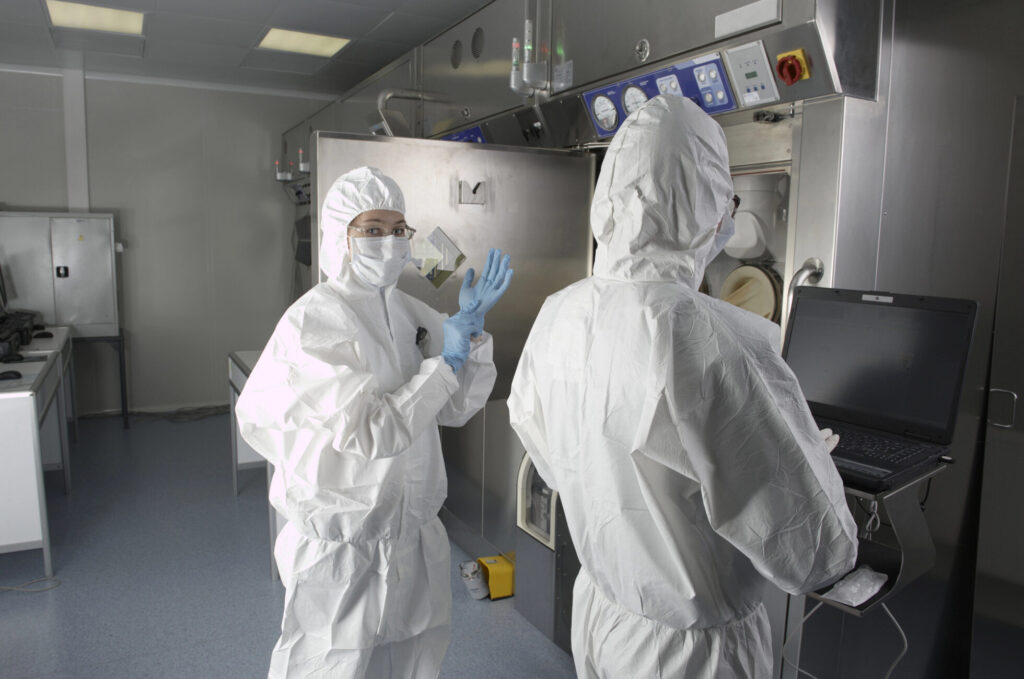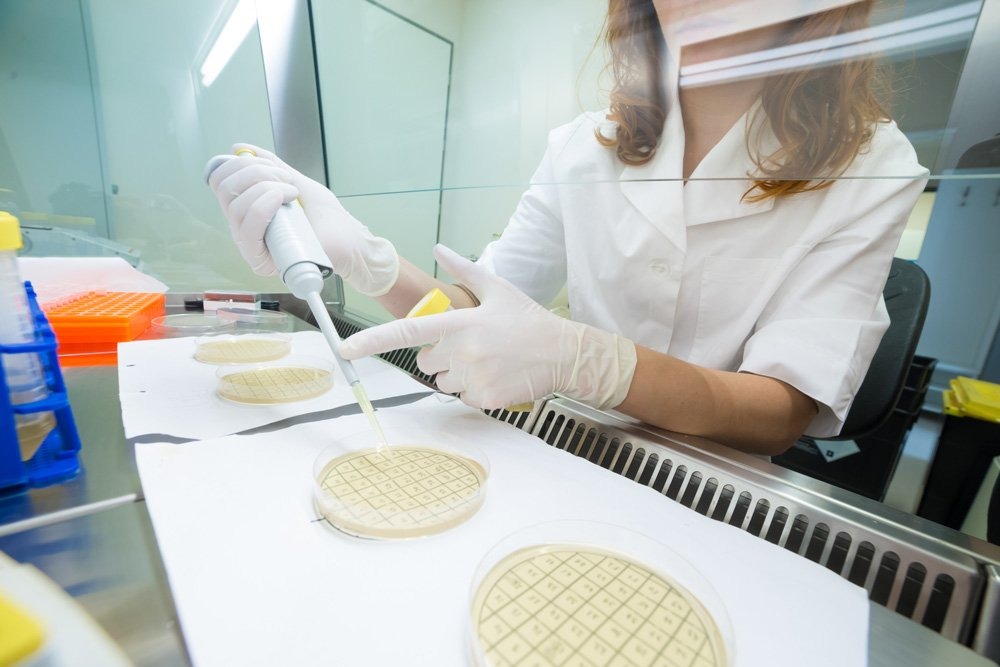

Maintaining USP 797 compliance requires understanding the specific cleanroom requirements that protect both patient safety and your facility’s operations. These federal standards define exact ISO classifications for every controlled environment in your facility, from primary engineering controls to anteroom spaces.
The regulations establish precise parameters for:
- Air quality and particle counts
- Pressure differentials between zones
- Temperature and humidity ranges
- HEPA filtration and airflow patterns
USP 797 compliance also requires personnel training, cleaning procedures, and quality documentation—this guide focuses specifically on the facility and engineering control standards that create your sterile compounding environment.
Non-compliance creates immediate operational impacts: failed audits, operational shutdowns, and regulatory violations that must be corrected before you can resume compounding.
This guide provides facility managers, pharmacy directors, and compliance officers with the technical specifications and testing requirements your facility must meet. You’ll learn which ISO classifications apply to each area, the engineering controls that maintain these standards, and how professional certification proves compliance during inspections.
What are the ISO classifications for USP 797 cleanrooms?
USP 797 requires three distinct ISO classifications for sterile compounding facilities:
- ISO Class 5: Primary Engineering Controls (PECs) such as laminar airflow workbenches and biological safety cabinets where direct compounding occurs. Maximum 3,520 particles ≥0.5 microns per cubic meter.
- ISO Class 7: Buffer rooms and HD anterooms that house the PECs. Maximum 352,000 particles ≥0.5 microns per cubic meter. Requires minimum 30 air changes per hour (ACPH).
- ISO Class 8: Anterooms serving as transition spaces between unclassified areas and buffer rooms. Maximum 3,520,000 particles ≥0.5 microns per cubic meter.
Each classification requires HEPA filtration, specific airflow patterns, and pressure differentials to maintain sterility during compounding operations.
Understanding USP 797 and ISO Cleanroom Classifications
What USP 797 Requires and Why It Matters
USP 797 establishes minimum standards for compounding sterile preparations across all healthcare settings. Published November 2022 with enforcement beginning November 2023, these federal standards are actively enforced by state pharmacy boards and the FDA. [1] [2]
The standard covers:
- Facility design and air quality
- Equipment specifications
- Personnel training requirements
- Environmental monitoring protocols
Non-compliance consequences:
- Failed audits requiring immediate correction
- Operational shutdowns
- Legal liability exposure
- Patient safety risks
Understanding these requirements protects both patients and your facility’s ability to operate. Compliance demonstrates your commitment to patient safety while avoiding costly inspection failures.


How ISO Classifications Define Air Cleanliness
The ISO classification system measures particle counts per cubic meter of air. Lower numbers indicate cleaner air with fewer particles. USP 797 focuses on particles ≥0.5 microns because this size captures biological contaminants that threaten sterility.
Why 0.5 microns matters:
- Bacteria: 0.5 to 5 microns
- Fungal spores: 2 to 10 microns
- Controlling at 0.5 microns manages biological contamination
The exponential difference:
- ISO Class 5: 100x fewer particles than Class 7
- ISO Class 7: 10x fewer particles than Class 8
This dramatic reduction at each level creates the protection your sterile preparations require.
The Three-Tier Protection System USP 797 Requires
USP 797 requires a three-zone system where air quality progressively improves as you move closer to where actual compounding occurs. Think of this like an airlock system on a spacecraft—multiple barriers protecting the cleanest environment at the center.
ISO Class 5 represents your primary engineering controls: the laminar airflow workbenches, biological safety cabinets, or compounding isolators where you actually prepare sterile medications. This is where drug products are directly exposed during compounding, requiring the strictest air quality control.
The ISO Class 7 buffer room surrounds your primary engineering controls. This classified space provides a controlled environment that protects your hoods and isolators from contamination. Personnel perform their final garbing steps here and stage materials before introducing them into the primary engineering controls.
ISO Class 8 anterooms serve as your transition space between unclassified areas and the buffer room. Staff perform hand hygiene, don most of their garb, and remove outer packaging from materials in this space. The anteroom prevents contamination from general pharmacy areas from reaching your buffer room.
Dynamic Testing – Why Your Cleanroom Must Pass Under Real Conditions
Here’s a critical distinction that determines whether your certification actually proves compliance: testing must occur under dynamic operating conditions. Dynamic testing means personnel are moving, equipment is running, and actual compounding operations are happening.Static testing—conducted in an empty, unused room—doesn’t satisfy USP 797 compliance requirements.
This matters during audits because inspectors want documented proof that your cleanroom maintains classification during actual use. Your certification reports must explicitly state “dynamic operating conditions” or similar language confirming testing occurred during operations. Without this documentation, you cannot demonstrate that your cleanroom works when it needs to.
USP 797 requires certification every 6 months minimum. This frequency recognizes that your facility conditions change over time. Equipment ages, HEPA filters load with particles, and pressure relationships can drift. Regular testing under real-world conditions confirms your cleanroom continues to protect your compounded preparations. The American Society of Health-System Pharmacists offers comprehensive resources on sterile compounding for facility managers and compliance officers. [3]
ISO Class 5 Requirements for Primary Engineering Controls
What ISO Class 5 Means for Your Compounding Area
ISO Class 5 defines the cleanest environment in your entire facility with a maximum particle count of 3,520 particles ≥0.5 microns per cubic meter. This is where sterile products are directly exposed during compounding—the critical zone where contamination has immediate access to medications that will enter patients’ bodies.
To understand how clean this standard requires your air to be, consider that regular room air contains millions of particles per cubic meter. The dramatic reduction to 3,520 particles creates the protection necessary when drug products are exposed to the environment during mixing, transferring, and filling operations.
This level of air quality doesn’t exist naturally in your facility. You create it through properly functioning primary engineering controls—the hoods and isolators that generate the HEPA-filtered, controlled airflow protecting your work.
Equipment That Achieves ISO Class 5
Primary Engineering Controls (PECs) create ISO Class 5 environments:
Equipment options:
- Laminar airflow workbenches (horizontal or vertical flow)
- Biological safety cabinets (product + personnel protection)
All PECs use:
- HEPA filtration: Removes 99.99% of particles ≥0.3 microns
- Laminar flow: Unidirectional air sweeps particles from critical zone
Key distinction: The PEC creates your ISO Class 5 zone, not the room itself. Your buffer room maintains Class 7 conditions while the hood produces Class 5 air for direct compounding.
HEPA Filter Integrity – Your First Line of Defense
Your HEPA filters must be tested every 6 months to verify they maintain integrity. This testing detects even pinhole leaks that compromise the protection your PEC provides. A single leak allows unfiltered air containing bacteria and other contaminants directly into your compounding zone.
Auditors specifically look for complete integrity testing in your certification reports. Skipping this testing or measuring only airflow velocity represents a significant compliance gap. Your facility managers need to understand that filter integrity testing requires specialized equipment and trained technicians—this isn’t something your maintenance staff can perform with standard tools.
Proper Placement to Maintain ISO Class 5
Where you position your PEC directly affects whether it can maintain ISO Class 5 classification. Hoods must be placed away from doors where turbulent air disrupts laminar flow every time someone enters or exits. Positioning directly under room air supply vents creates competing airflow that interferes with the hood’s ability to maintain unidirectional flow.
Your PEC needs adequate clearance from walls—typically 6 to 12 inches depending on the manufacturer’s specifications. This spacing allows proper airflow around the unit and prevents air currents from disrupting the laminar flow pattern inside the hood.
Poor placement means your Class 5 hood cannot maintain its classification regardless of how well it functions mechanically. Smoke studies verify that air flows correctly around and through your PEC. These studies are required when you initially install equipment and again whenever you move it to a new location.
ISO Class 7 Requirements for Buffer Rooms
Buffer Room Standards and Particle Limits
ISO Class 7 buffer rooms maintain a maximum particle count of 352,000 particles ≥0.5 microns per cubic meter. This classification allows 100 times more particles than the ISO Class 5 environment inside your primary engineering controls, but still represents highly controlled conditions compared to general pharmacy spaces.
The buffer room serves a specific function: it provides the controlled environment surrounding your Class 5 PECs. This is the room where your laminar airflow workbenches, biological safety cabinets, or isolators physically sit. By maintaining Class 7 conditions, the buffer room protects your primary engineering controls from contamination that would otherwise enter from less controlled areas.
Personnel can move within the buffer room, stage materials, and transfer items to the primary engineering controls while the room maintains the air quality that protects your compounding operations.
Air Change Requirements You Must Meet
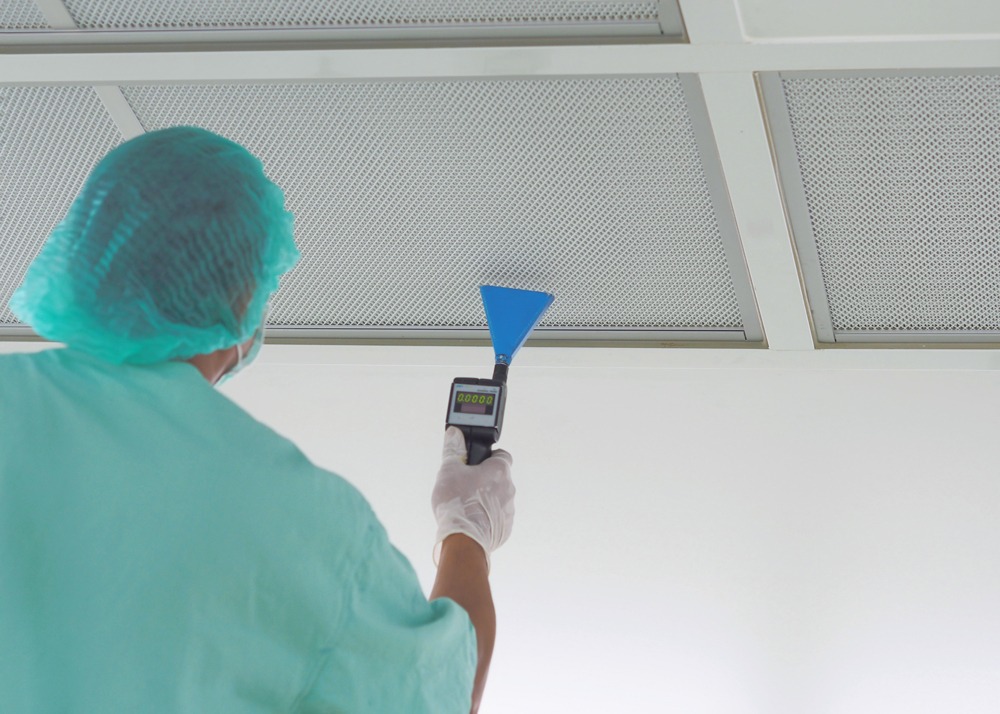
Buffer rooms require minimum 30 total HEPA-filtered air changes per hour (ACPH):
- At least 15 ACPH from HVAC through ceiling HEPA filters
Why air changes matter: They dilute airborne particles from personnel movement and compounding activities.
Your facility may need more than 30 ACPH based on:
- Room size
- Number of simultaneous staff
- Compounding volume and complexity
Calculations don’t prove compliance—verify through particle counting during actual operations.
Pressure Relationships That Prevent Contamination
Buffer rooms must maintain positive pressure relative to anterooms, with a minimum differential of 0.02 inches water column. This pressure difference creates directional airflow that protects your buffer room from contamination.
When doors open, air flows outward from the higher pressure buffer room toward the lower pressure anteroom. This outward airflow prevents particles and contaminants from entering your buffer room.
Continuous monitoring is required, not periodic checks. Your facility needs visual displays showing real-time pressure readings and alarms that activate when pressure drops below the minimum differential. More importantly, you need documented procedures explaining how staff must respond when pressure alarms occur.
Where Buffer Rooms Fail Testing
Most common certification failures:
- Airflow obstructions creating dead zones
- Equipment placed too close together blocking airflow
- Inadequate air changes for activity level
- Inconsistent pressure differentials
Warning signs before official testing:
- Staff complaints about stuffiness or poor air quality
- Visible dust accumulation despite regular cleaning
- Difficulty maintaining room temperature
Professional assessment identifies problems before scheduled certification, giving you time for corrections rather than discovering failures during testing.
ISO Class 8 Requirements for Anterooms
Anteroom Classification and Function
ISO Class 8 anterooms allow maximum 3,520,000 particles ≥0.5 microns per cubic meter—the least stringent classification in your three-tier system, but still far cleaner than unclassified areas.
Key activities in anterooms:
- Hand hygiene at sink
- Garbing procedures
- Removing outer packaging from materials
- Staging items before buffer room entry
Class 8 suffices because high particle-generating tasks occur here, not in your buffer room.
Special Requirements for Hazardous Drug Compounding
Standard compounding: Class 8 anteroom acceptable
Hazardous drug compounding requires:
- Class 7 anteroom (elevated standard)
- Reversed pressure: Positive anteroom, negative buffer room
- External venting (no recirculation)
- More sophisticated HVAC systems
If you compound any hazardous drugs, higher standards apply to your entire operation.
Common Anteroom Compliance Issues
Common inspection problems:
- Insufficient space forcing awkward garbing movements
- Poorly positioned sinks contaminating garbed personnel
- Doors between anteroom and buffer room propped open
- Materials obstructing airflow patterns
- Pressure differentials not monitored or maintained
Quick facility check: Can two people garb simultaneously without bumping into each other or competing for sink space? If no, your anteroom may be undersized for your operation.
Environmental Controls That Support ISO Classifications
Temperature and Humidity – Why They Matter
USP 797 recommendations:
- Temperature: 20°C (68°F) or cooler
- Humidity: Below 60%
These are recommendations, not mandates, but understanding why they matter helps you make informed decisions.
Temperature control:
- Slows microbial growth on surfaces
- Reduces personnel perspiration and particle shedding
- Affects compounder comfort during extended garbing
Humidity control:
- Above 60%: Promotes microbial growth
- Below 30%: Excessive static electricity
- Sweet spot: 30-60% for sterility and operations
If you can’t maintain recommended ranges, increase environmental monitoring frequency.
Pressure Differentials – Creating Barriers Against Contamination
Pressure differentials create directional airflow between zones, making air move from cleaner areas toward less clean spaces. For standard nonhazardous compounding, your buffer room maintains the highest pressure, the anteroom holds middle pressure, and unclassified areas have the lowest pressure.
Continuous monitoring isn’t optional—it’s required. Your staff needs visible displays showing real-time pressure readings so they know immediately when systems fail. Alarms must activate when pressure drops below minimum differentials, and you need documented procedures explaining exactly how personnel respond to pressure excursions.
What Happens When Environmental Controls Fail
Environmental control failures create immediate operational impacts. You cannot compound until the issue is resolved and conditions are restored to compliant ranges. Production delays follow as scheduled preparations can’t be mixed on time. Expired medications aren’t replaced when needed, creating potential gaps in patient care.
Consider this scenario: temperature excursion above 25°C for 4 hours during afternoon compounding operations. You must investigate potential microbial impact on all surfaces. Additional environmental sampling may be required to verify your spaces remain within acceptable limits. Any compounds prepared during the excursion period may need to be destroyed depending on the severity and your investigation findings.
Preventive monitoring beats reactive crisis management every time.
Maintain Compliance Between Certifications
Cleanroom certification every six months is the minimum requirement. Maintaining compliance requires ongoing monitoring and preventive maintenance. Allometrics offers comprehensive maintenance programs that keep your facility continuously compliant.
Our programs include:
- Scheduled semi-annual recertification
- HEPA filter integrity testing
- Pressure monitoring calibration
- Complete documentation management
- Emergency response access
Whether you operate one facility or manage compounding operations across multiple states, we provide consistent service quality and documentation.
Ask about preventive maintenance programs: (281) 474-3329
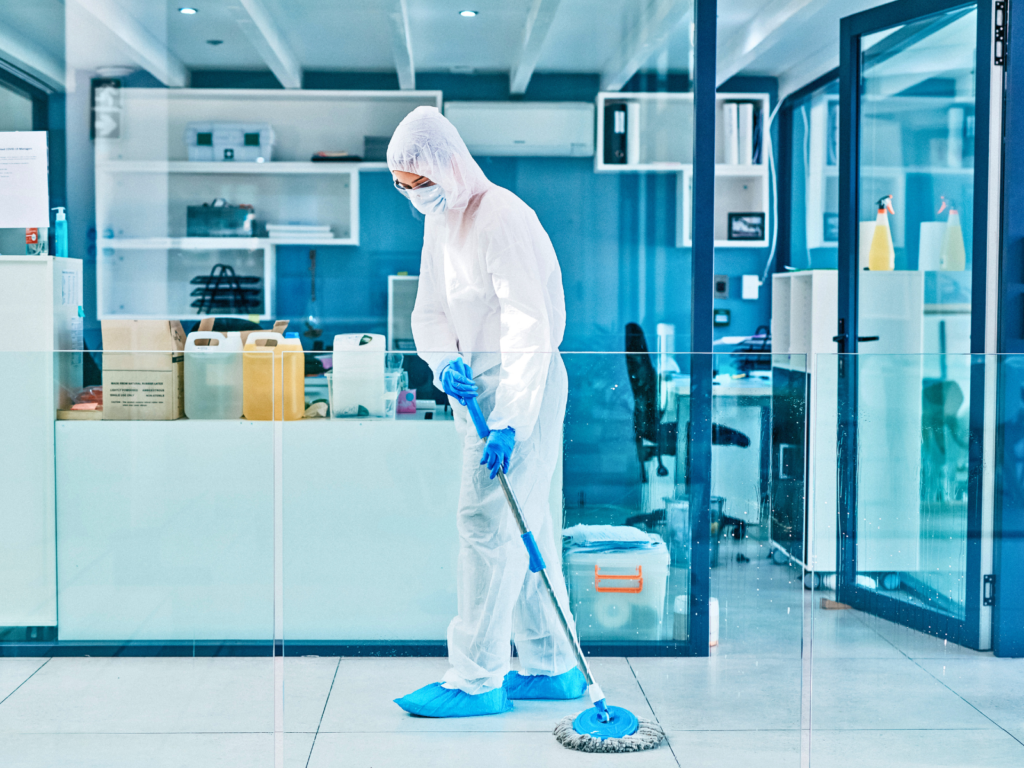
Why Choose Allometrics for Cleanroom Certification:
- ISO 17025 accredited – Audit-defensible results
- 50 years of experience – Proven reliability
- Pharmaceutical cleanroom expertise – We understand your specific requirements
- Nationwide service – Vendor consolidation opportunity
- Emergency response capability – There when you need us
- Detailed documentation – Satisfies inspectors
Whether you’re approaching your certification deadline, managing multiple facilities, or facing an urgent compliance situation, Allometrics delivers the testing and documentation your operations require.
Ensure Your Facility Meets Current USP 797 Standards
Understanding cleanroom requirements is the first step. Proving compliance through professional certification is the next. Allometrics provides ISO 17025 accredited cleanroom testing and certification throughout Texas and nationwide. Our technicians deliver detailed documentation that satisfies state pharmacy boards, FDA inspectors, and accrediting organizations.
Contact Allometrics:
- Phone: (281) 474-3329
- Location: 1425 Atlantis Dr Suite B, Webster, TX 77598
USP 797 Cleanroom Requirements: Your Questions Answered
USP 797 requires three specific ISO classifications: ISO Class 5 for primary engineering controls where direct compounding occurs (maximum 3,520 particles ≥0.5 microns per cubic meter), ISO Class 7 for buffer rooms housing the primary engineering controls (maximum 352,000 particles), and ISO Class 8 for anterooms serving as transition spaces (maximum 3,520,000 particles). Each classification requires HEPA filtration and specific airflow patterns.
Clean rooms are classified using the ISO classification system under USP 797 to define air cleanliness in sterile compounding facilities. We implement a three-tier protection system where air quality progressively improves as you move closer to actual compounding areas. This system measures particle counts at the 0.5-micron level across ISO Class 5, 7, and 8 environments to control biological contamination.
ISO Class 5 is cleaner than Class 7, allowing maximum 3,520 particles ≥0.5 microns per cubic meter, while ISO Class 7 permits up to 352,000 particles—that’s 100 times more particles than Class 5. Class 5 defines the cleanest environment where sterile products are directly exposed during compounding inside primary engineering controls. Class 7 maintains the buffer room surrounding those controls.
Resources
- https://www.uspnf.com/official-text/revision-bulletins/general-chapter-pharmaceutical-compounding-sterile-preparations
- https://www.fda.gov/drugs/guidance-compliance-regulatory-information/human-drug-compounding
- https://www.ashp.org/professional-development/ashp-podcasts/hot-topics-in-pharmacy-practice/2024/top-sterile-compounding-questions-answered