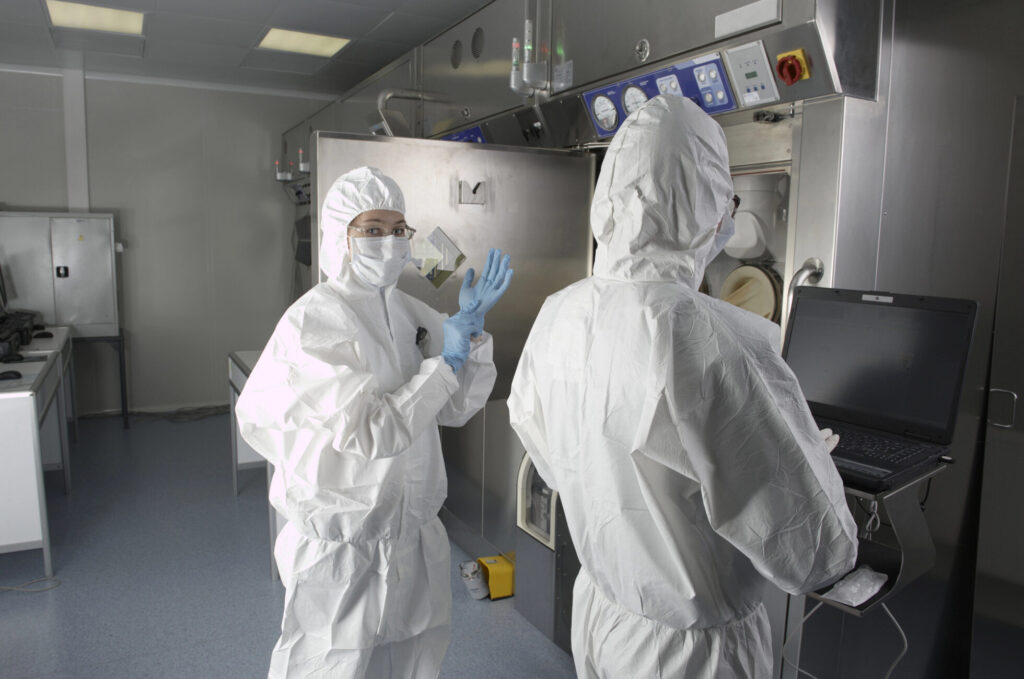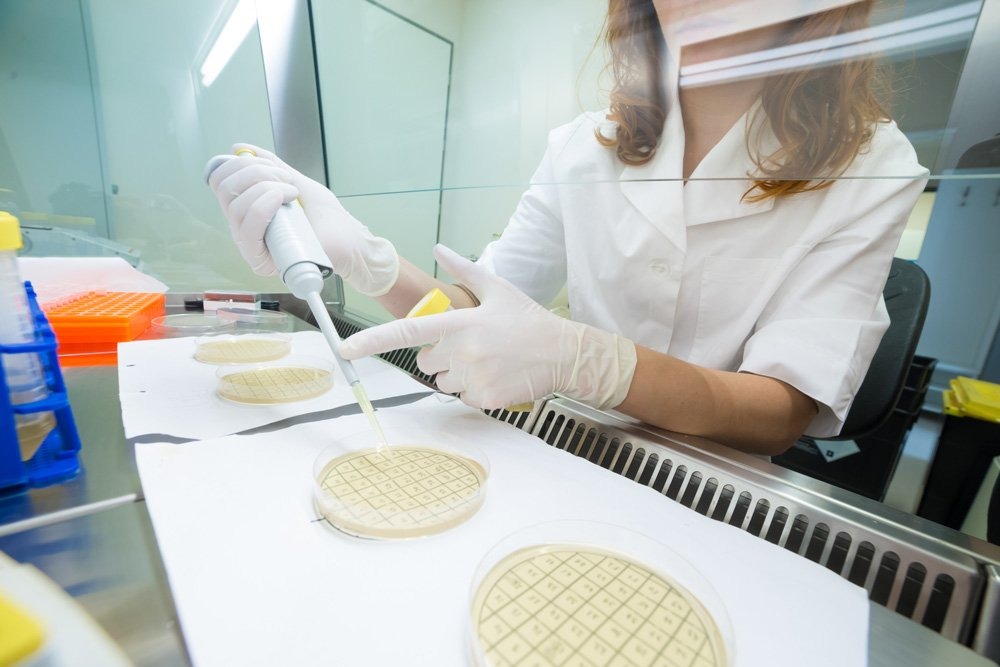

Pharmacy staff enter the anteroom dozens of times per shift, but one garbing mistake—touching a sterile glove after adjusting a mask, or donning shoe covers after hand hygiene—can introduce contamination that compromises patient safety and triggers survey findings.
USP 797 garbing requirements establish the foundation for contamination control in sterile compounding environments. The 2023 revision maintains that proper garbing procedures protect compounded sterile preparations from the primary contamination source: personnel. While the chapter no longer prescribes a single mandatory sequence, facilities must document garbing order in standard operating procedures and train all compounding personnel accordingly.
This guide examines the required garb components for each compounding category, explains the contamination-control principles behind proper donning sequence, and details hand hygiene protocols that maintain glove sterility throughout compounding activities. Understanding these requirements helps pharmacy directors pass accreditation surveys and protect patients from preventable contamination.
What is the correct order for donning garb in USP 797?
USP 797 does not mandate a single garbing sequence but requires facilities to establish and document their order in SOPs. Most pharmacies follow this contamination-reducing progression:
- Remove personal items and jewelry in unclassified area
- Don shoe covers, hair cover, and face mask in anteroom
- Perform hand hygiene with soap and water
- Don low-lint gown with fitted wrists and neck
- Apply alcohol-based hand rub
- Don sterile, powder-free gloves in classified area or SCA
Each facility must validate and document their specific sequence.
Required Garb Components for Classified Compounding Areas
Understanding Category-Based Garbing Requirements
USP 797 garbing requirements now tie to CSP categories rather than risk levels. Category 1, 2, and 3 CSPs each require minimum garb standards that apply to anyone entering classified compounding areas—not just personnel who compound.
The key difference: Category 3 mandates sterile outer garb with no exposed skin in buffer rooms, while Categories 1 and 2 require low-lint garb. More restrictive garbing may be required based on your facility’s risk assessment.
Minimum Garb Components Required by USP 797
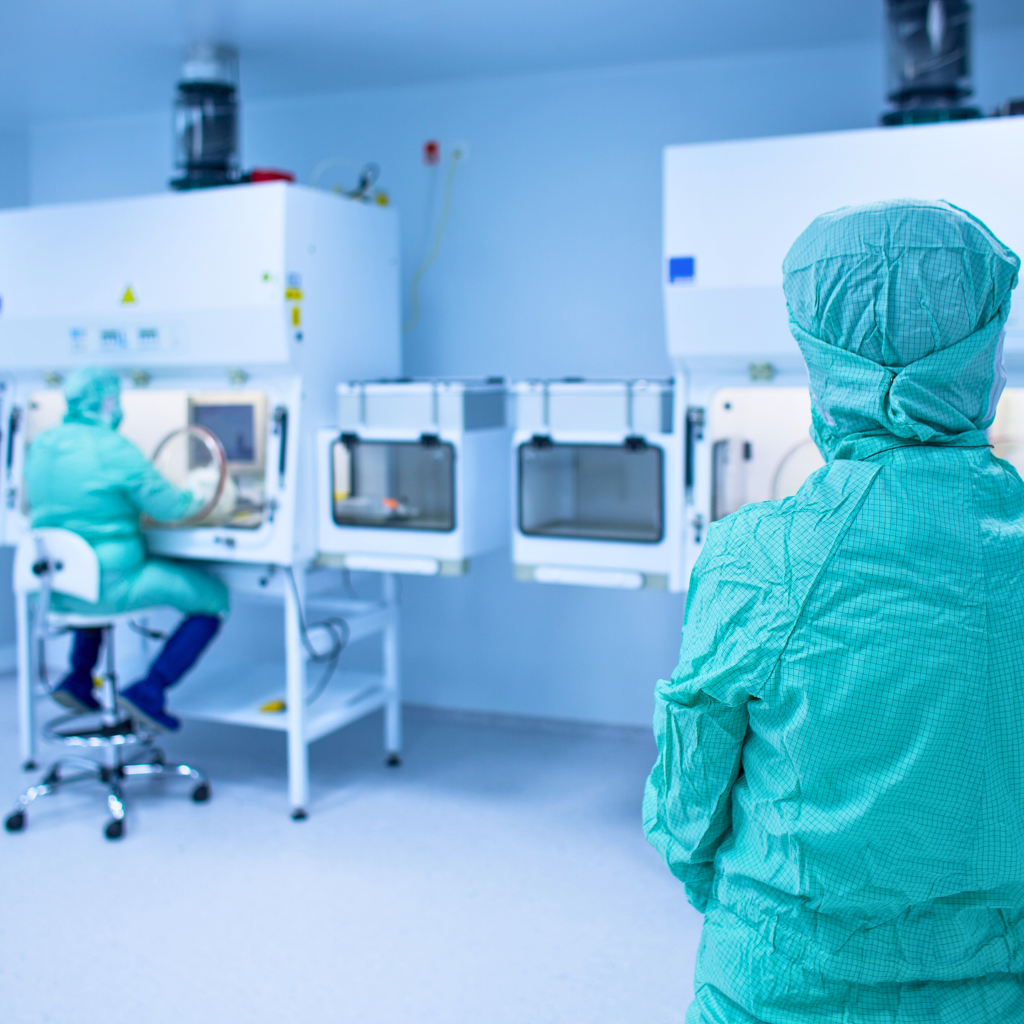
Every person entering classified compounding areas must wear:
- Low-lint, disposable head cover that covers hair and ears completely (facial hair cover required if applicable)
- Low-lint, disposable shoe covers that prevent floor contamination
- Face mask that covers nose and mouth without gaps
- Low-lint garment with sleeves fitting snugly at wrists and enclosed at neck
- Sterile, powder-free gloves that overlap gown sleeves
Personnel are the primary particle source in cleanrooms, generating over 16,000 particles per minute through normal movement. Low-lint garments minimize this contamination. Powder-free gloves prevent powder particles from contaminating preparations.
Most facilities use disposable garb, though reusable garments are acceptable if processed by a qualified cleanroom laundry service following ISO standards.
Category 3 Sterile Garbing Requirements
Category 3 buffer rooms require sterile outer garb—not just low-lint. No exposed skin is allowed. Face and neck must be covered completely. When using Restricted Access Barrier Systems (RABS), sterile sleeves must be worn over gauntlet sleeves.
Disposable garbing items cannot be reused in Category 3 operations. Laundered garb must be resterilized with a validated cycle before each use. These requirements apply to all personnel entering Category 3 buffer rooms, regardless of whether compounding occurs that day.
Many facilities handling hazardous drugs face overlap between USP 797 garbing and USP 800 PPE requirements. Personal protective equipment may need to meet both chapters’ specifications simultaneously.
Garb Storage and Reuse Policies
Disposable garb may be stored in the anteroom and reused during a single shift if unsoiled and structurally intact. Categories 1 and 2 allow gowns to be reused within the same shift by the same person if the gown remains in the classified area.
Category 3 prohibits reuse of disposable items. Each buffer room entry requires fresh, sterile garb. Reusable gowns require processing by a qualified cleanroom laundry service—regular hospital laundry does not meet cleanroom garment requirements.
Facility SOPs must document garb reuse policies, disposal requirements, and inspection protocols. Surveyors compare written procedures against observed practices during site visits.
Proper Garbing Order to Minimize Contamination Risk
The Contamination-Control Principle Behind Garbing Sequence
Garbing must progress from “dirtiest to cleanest” areas of the body. Each step moves personnel closer to sterility without introducing contamination from previous steps. While USP 797 doesn’t mandate one sequence, the contamination-control principle is non-negotiable.
The “low to high” progression matters because floors are the dirtiest surfaces. Starting with shoe covers addresses the highest contamination source first, then moving upward to progressively cleaner body areas.
Garbing order must account for sink placement in facility design. Older facilities may have sinks in unclassified areas, requiring alcohol-based hand rub before entering the anteroom. Newer designs place sinks inside anterooms, allowing hand hygiene between garb donning steps.
Standard Garbing Sequence
| Step | Action | Key Technique Point |
| 1 | Remove personal items in unclassified area | Jewelry, watches, cosmetics cannot enter compounding areas |
| 2 | Don shoe covers in anteroom | Cover shoes completely without touching floor with hands |
| 3 | Don hair cover | Must cover all hair and ears; facial hair requires separate cover |
| 4 | Don face mask | Position before hand hygiene; avoid touching face afterward |
| 5 | Perform hand hygiene with soap and water | Wash hands and forearms for manufacturer-specified time; use a disposable nail cleaner |
| 6 | Don low-lint gown | Touch only inside surfaces; sleeves must cover wrists completely |
| 7 | Apply alcohol-based hand rub | Must dry completely before gloving |
| 8 | Don sterile gloves in classified area | Gloves must overlap gown sleeves to prevent skin exposure |
Common Garbing Errors That Lead to Survey Findings
Surveyors look for these specific failures during pharmacy inspections:
Touching face or adjusting garb after hand hygiene – Each touch transfers bacteria to clean hands. Staff often adjust masks, scratch noses, or fix hair covers without realizing these actions compromise the entire hand hygiene process.
Donning gloves before alcohol dries – Wet alcohol doesn’t provide microbial kill and can damage glove integrity. Dry time is required, not optional.
Exposed skin at wrist – Gaps where gloves meet gown sleeves allow skin cells and bacteria into the compounding environment. Gloves must overlap sleeves by at least one inch.
Sequence errors – Donning garb in the wrong order breaks contamination control logic. Putting gloves on before the gown or adjusting the mask after hand hygiene introduces contamination.
Undocumented procedures – Facilities may have staff who garb correctly but lack written SOPs. The absence of documentation is itself a finding—USP 797 requires written procedures.
Inconsistency between staff – When different staff follow different sequences, it signals inadequate training. Consistency across all personnel demonstrates effective training and clear procedures.
Training and Competency Requirements
All compounding personnel must demonstrate proper garbing technique during initial training. Annual competency assessment includes garbing observation by qualified trainers.
Gloved fingertip sampling validates aseptic technique including proper garbing. This testing occurs after garbing and hand hygiene, catching garbing failures along with compounding technique errors. Failed fingertip samples trigger immediate retraining and repeat testing before personnel resume compounding.
Environmental monitoring programs provide objective evidence that garbing procedures effectively control contamination. Gloved fingertip sampling validates that your documented procedures actually work in practice.
Many pharmacies partner with specialized testing providers for gloved fingertip sampling and environmental monitoring. Allometrics has over 50 years experience providing cleanroom testing and certification, monthly surface sampling, gloved fingertip sampling, and media fill kits to compounding pharmacies nationwide, with technicians who understand the scheduling challenges of active clinical operations. Call our experts at (281) 474-3329.
Hand Hygiene and Glove Sterility Maintenance Protocols
Hand Hygiene Requirements Before Donning Sterile Gloves
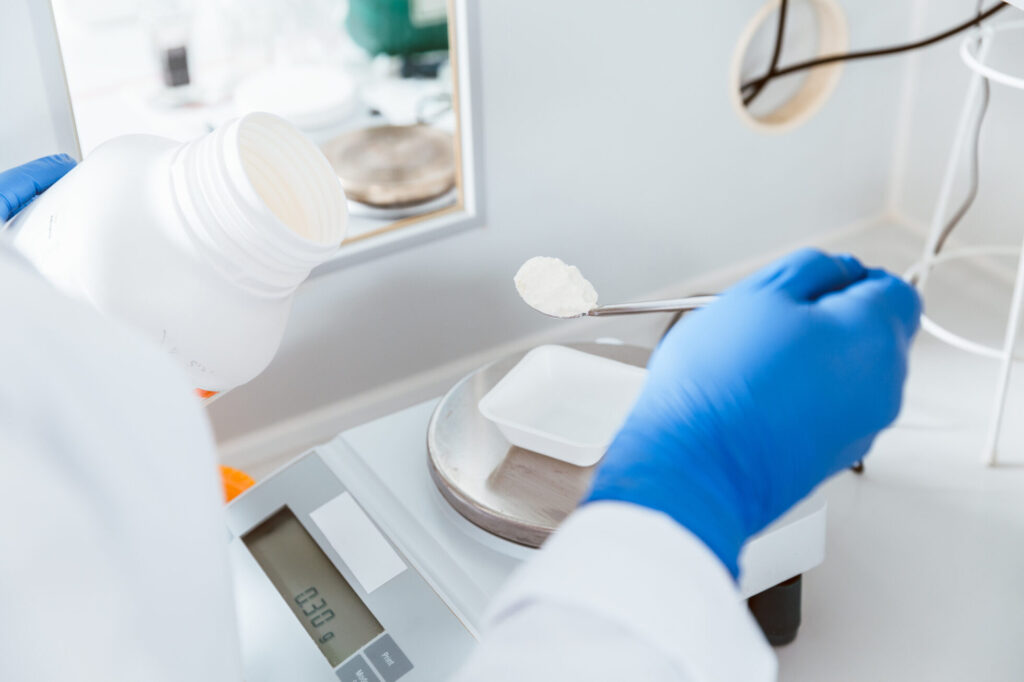
Hand hygiene is the single most effective contamination control measure. [1] USP 797 requires soap and water for initial hand washing, with adequate contact time per manufacturer instructions—about 30 seconds.
Wash hands and forearms together, covering all surfaces: palms, backs of hands, between fingers, thumbs, and forearms. Use a disposable nail cleaner to clean under nails before washing. Nails must be kept clean, neatly trimmed, and free of nail polish, artificial nails, or extenders. [2] [3]
Studies show artificial nails harbor gram-negative bacteria including Pseudomonas and Klebsiella that can survive routine hand hygiene. These bacteria pose direct risks to immunocompromised patients receiving compounded sterile preparations.
Do not use brushes for hand hygiene—they damage skin and increase particle shedding. Do not use air dryers—they generate airborne particles. Dry hands with lint-free wipes.
Alcohol-Based Hand Rub and Glove Disinfection
After donning the gown, apply alcohol-based hand rub to all hand surfaces. The product must dry completely before donning gloves—approximately 30 seconds. Wet alcohol does not provide microbial kill and can damage glove integrity.
Sterile gloves must be disinfected with sterile 70% isopropyl alcohol (IPA) after contact with non-sterile surfaces. This includes touching IV poles, keyboards, calculators, countertop edges, or anything outside the direct compounding area.
Apply IPA to all glove surfaces: palms, backs of hands, between fingers, thumbs, and wrists. Allow complete air drying before touching sterile surfaces. This step is one of the most frequently observed deficiencies during accreditation surveys.
When Gloves Must Be Changed
| Situation | Action Required |
| Tears, punctures, visible contamination | Immediate glove replacement |
| Contact with floor, trash can, or overtly soiled surfaces | Replace immediately—IPA disinfection inadequate |
| Between different preparations with cross-contamination risk | Fresh gloves for each preparation |
| Time-based intervals (facility policy) | A facility may require glove changes every 30-60 minutes |
Each glove change requires repeating hand hygiene with alcohol-based hand rub and donning fresh sterile gloves using proper sterile technique.
Documentation Requirements
SOPs must describe hand hygiene procedures according to USP 797 requirements. Best practices include documenting the soap type, manufacturer-specified contact time, and drying method to ensure consistent compliance.
SOPs must specify glove disinfection frequency and technique: after touching which surfaces, how often during continuous compounding, and required dry time.
Training records must show personnel demonstrate proper hand hygiene and gloving during initial qualification. Gloved fingertip sampling provides objective verification that the entire process effectively prevents contamination.
Failed fingertip samples require immediate corrective action and retraining. Trending fingertip sampling data helps identify persistent problems—whether individual technique issues or facility procedure gaps.
Protecting Patient Safety Through Proper Garbing Compliance
Proper garbing procedures work together with validated cleanroom environments to protect compounded sterile preparations. Maintaining USP 797 compliance requires both correct personnel technique and routine environmental monitoring.
Allometrics provides cleanroom certification and testing services for hospital and compounding pharmacies, including six-month recertification, environmental monitoring programs, and personnel competency assessment. Our technicians understand pharmacy operations and schedule around your clinical workflows.
Call (281) 474-3329 to discuss your USP 797 certification needs.
USP 797 Garbing Requirements: Common Questions Answered
USP 797 requires facilities to establish and document garbing sequences in standard operating procedures rather than mandating one universal order. Personnel must wear low-lint head covers, shoe covers, face masks, gowns with fitted wrists, and sterile powder-free gloves. Category 3 preparations require sterile outer garb with no exposed skin.
Personnel wash hands and forearms with soap and water for approximately 30 seconds following the manufacturer’s specified contact time. This includes all surfaces—palms, backs of hands, between fingers, thumbs, and forearms. After donning gowns, alcohol-based hand rub is applied and allowed to dry completely for approximately 30 seconds before gloving.
The proper sequence follows a “low to high” progression starting with shoe covers, then hair cover, face mask, hand hygiene with soap and water, low-lint gown, alcohol-based hand rub, and finally sterile gloves in the classified area. This progression moves from dirtiest body areas to cleanest while maintaining contamination control throughout the process.
Resources
- https://www.who.int/teams/integrated-health-services/infection-prevention-control/hand-hygiene
- https://www.cdc.gov/mmwr/preview/mmwrhtml/rr5116a1.htm
- https://shea-online.org/hand-hygiene-is-focus-of-updated-advice-to-prevent-healthcare-associated-infections/