

Calibration and adjustment are two similar yet separate processes. As calibrations determine the need for adjustments, it’s easy to get confused about what each procedure involves. There is a similarity between calibration and adjustment, but they are separate processes. Since calibrations determine the need to adjustments, it is easy to become confused about what each procedure entails.
What is Calibration?
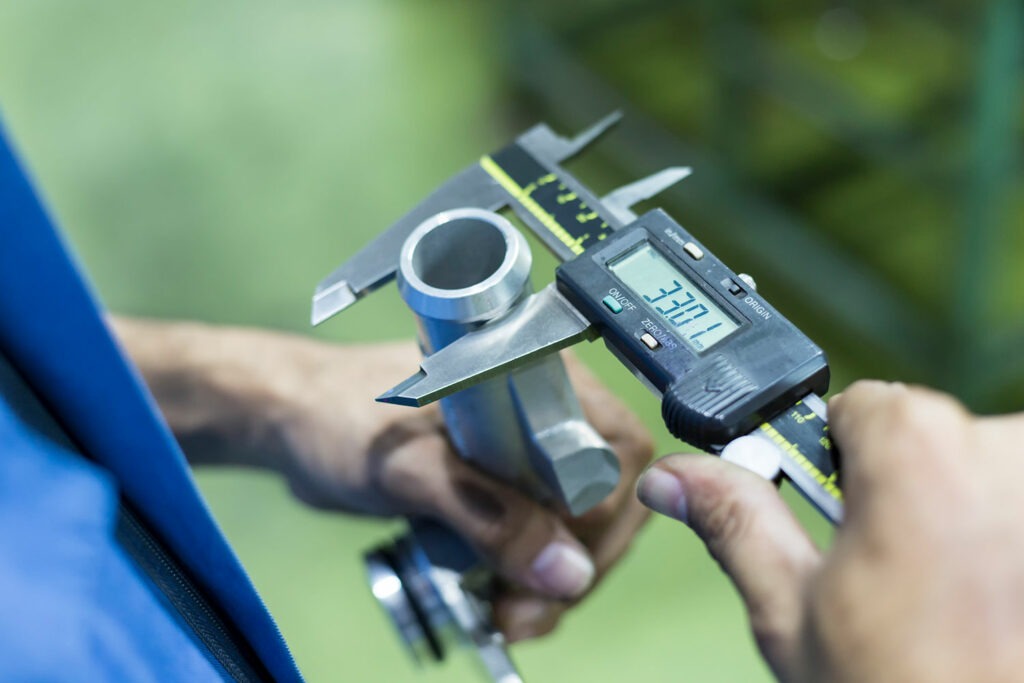
Simply put, calibration is the process of determining the deviations of a measuring instrument or sensor. In other words, when you calibrate your equipment, you determine the accuracy of its measuremens in relation to a standard.
Your calibration certificate will list all identified deviations. With this information, you can choose to have corrections made to return your measuring device to optimal conditions.
Various environments, including manufacturing, food processing, petrochemical, pharmaceutical, and biomedical laboratories, calibrations are critical for all measuring devices.
What Do Calibrations Entail?
Your measuring device should be calibrated against a traceable reference device in order to provide a documented comparison.
During the calibration process, our technicians perform test measurements from various points over the measuring range of your device and compare them against a traceable reference device. No further actions are needed if the deviations are within the manufacturer’s specifications, and you will receive a calibration certificate detailing all the tests and the results as proof that your instrument is within tolerance.
If, however, the test readings are not in accordance with the manufacturer’s specifications, an adjustment is required.
What is an Adjustment?
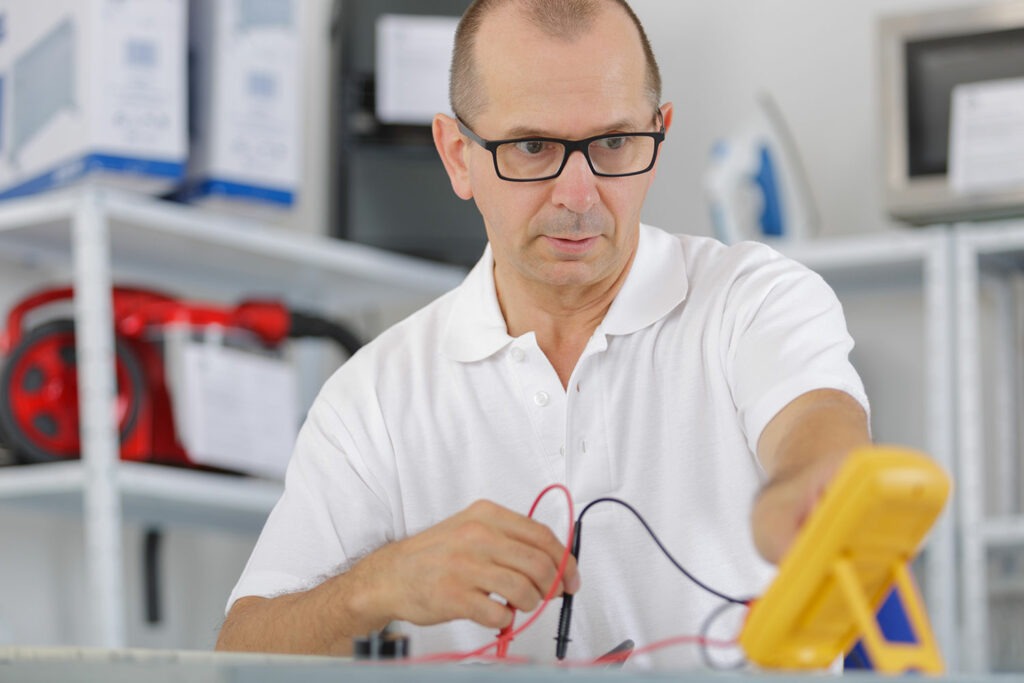
An adjustment after calibration is intended to restore your measuring device to a level of performance suitable for its intended use and within the parameters established by the manufacturer and pertinent regulatory agencies. Therefore, an adjustment is an additional step after calibration to bring your device back within its specified tolerances.
An adjustment is only needed if the calibration determines a significant deviation. However, if the variation is too high, an adjustment may not be the ideal solution; in some cases, the best and more cost-efficient option is to replace the measuring device.
Is a Second Calibration Needed After an Adjustment?
Yes! You will need to conduct a second calibration in order to verify that the adjustment was sufficient to bring your measuring instruments back within the specified tolerances.
As a result of their adjustments, you will receive a new calibration certificate that indicates your equipment is operating within the specified tolerances.
How Often Should You Calibrate?
The use of pressure and temperature instruments is critical in all areas of industrial manufacturing. However, continuous mechanical, thermal, and chemical loading means the accuracy of these devices deteriorates over time.
With the increase in the age of your instruments, their reliability decreases, and you can no longer be certain that their measurements are accurate.
Your equipment will perform at its optimal level throughout its life cycle by adhering to a strict periodic calibration schedule and making the necessary adjustments.
Allometrics can help you set up and maintain a calibration schedule allowing you to focus on other aspects of your business, knowing you have seasoned professionals working hard to keep your measuring devices in compliance.
Call us today to learn more about our capabilities and services. We are here to help!