
With proper maintenance, high-quality laboratory instruments will deliver reliable and accurate measurements for many years or decades to come. There will, however, come a time when your equipment will need to be repaired or replaced, regardless of how well you maintain it.
Knowing when you need to replace rather than repair your instruments is seldom easy, and there are many factors you need to consider. For example, buying new equipment requires a hefty investment as well as updating staff training. During the process of repairing, there may be extended downtime.
Fortunately, there are ways to help you discern the best course of action to maintain the optimal performance of your lab.
Choosing the Best Course of Action
The starting point of your decision-making process is likely to be the same regardless of which industry you work in; it all starts with a question; is this instrument functioning properly?
The moment you begin to have doubts regarding whether your device will produce accurate and reliable results, it’s time to determine whether the problem can be resolved by repairing it or replacing it.
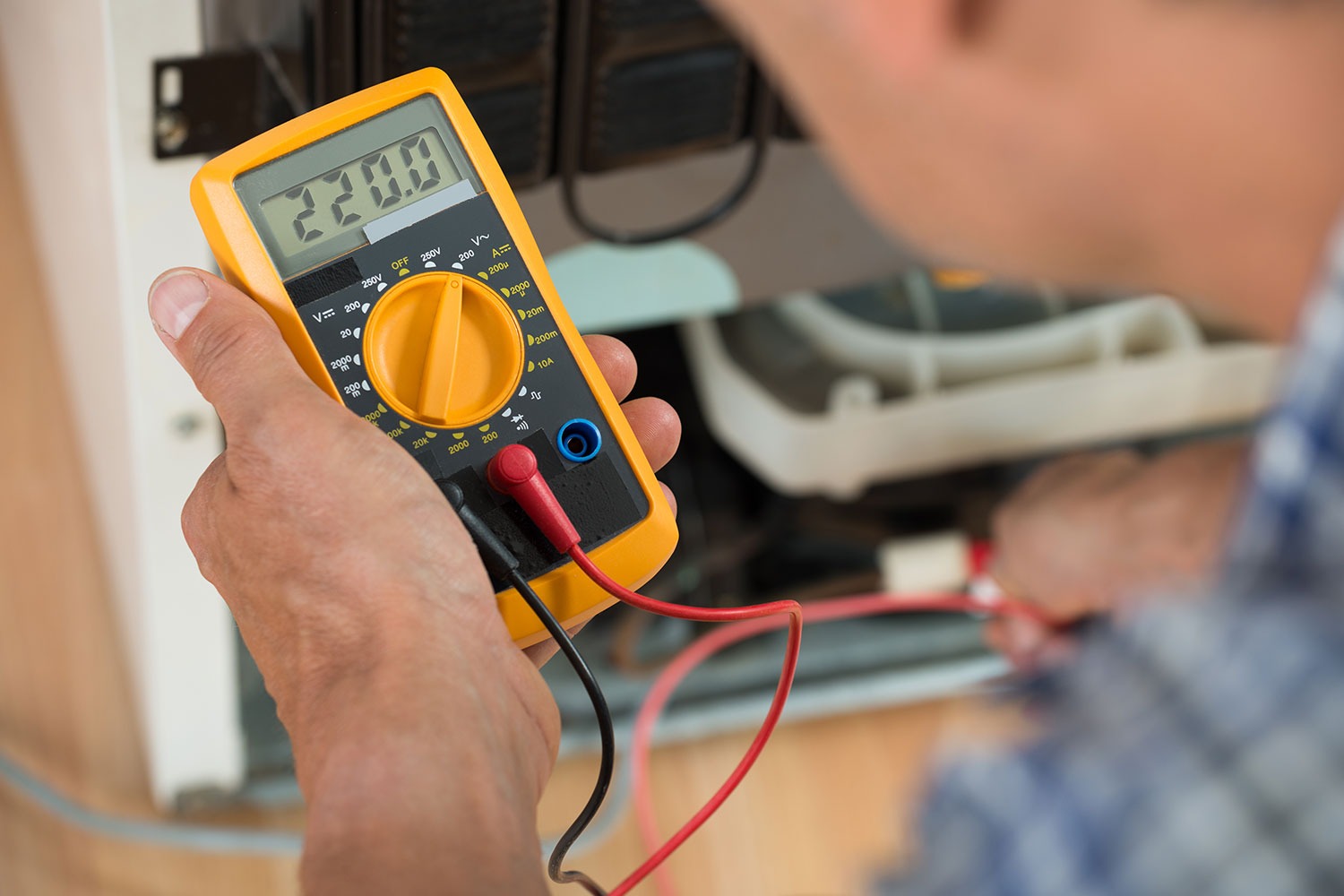
In most scenarios, lab managers will first try repairing their faulty equipment before deciding to replace it. This makes sense because repairing your devices is much more cost-effective, and routine calibrations can often bring the equipment back into compliance.
When calibration cannot return the instrument to its required tolerance, the question of replacing it must be considered.
Symptoms of a Need for Replacement
It is obvious that a malfunctioning piece of equipment can hinder the productivity of your lab, but there are also other concerns you should be aware of. Here are some of the most common.
Safety Concerns
In any laboratory environment, the safety of technicians and the general public should be of the utmost importance.
Any potential safety concerns require immediate action. It’s important to be aware that any piece of equipment that has not been calibrated may pose a safety hazard. Pay particular attention to fume hoods as well as pressure, temperature, and humidity monitors.
Device Age and Its Wear and Tear
Even the highest quality instruments, at some point, will reach the end of their service lifecycle. The following are some of the most common signs that your equipment may need replaced:
- Rust – Corrosion is always a concern. If you notice rust on any of your equipment, please replace it immediately.
- Warping – The glass of a fume hood and stainless-steel devices are susceptible to warping over time. Any distortion on your equipment indicates that it’s time to replace.
- Cracks – Physical damage and cracks represent critical safety concerns. Instruments that show signs of cracking should be replace.
Hard to Find Replacement Parts
In many cases, it’s not necessary to replace an entire machine. However, it’s common for labs to have to replace specific components whose performance decreases due to use.
Over time, it may become increasingly difficult to locate replacement parts for older equipment. Consequently, your lab may experience increased downtime and higher repair costs.
Having trouble finding replacement parts for your lab equipment may indicate that it’s time for an upgrade.
Your Instruments Are No Longer Energy Efficient
Technological advances mean newer models are more energy efficient, helping reduce your operational costs and environmental footprint.
For example, new generation ULT freezers use hydrocarbon refrigerants that increase cooling efficiency compared to older models that use hydrofluorocarbon refrigerants. Another example would be newer centrifuge rotor models that use carbon fiber which allows faster acceleration and shorter run times, thereby saving energy.
It may Cost More to Maintain than to Replace
Ideally, you follow a maintenance program that will keep your instruments in compliance and reduce the need for extensive and expensive repairs. It is, however, financially wiser to purchase a new device when repairs are needed more frequently or when maintenance costs are the same as or even exceed the cost of a new device.
Need Help Deciding When to Repair or Replace an Instrument?
Entrusting your calibration needs to Allometrics gives you access to some of the best-trained technicians in the industry.
Our expertise can help you discern if you need to repair, replace a component, or buy a new piece of equipment. As a result of our extensive business relationships with the top manufacturers and distributors, we can offer you high-quality parts and equipment at competitive prices.