
A controlled environment can have multiple definitions. We will discuss sterile compounding-controlled environments in this article. Sterile compounding is regulated in the United States by the FDA (Food and Drug Administration) and individual state boards of pharmacy, depending on the use and setup of the facility.
The Difference Between a 503A and 503B Regulated Facility
Compounding pharmacies are covered by Sections 503A and 503B of the FDA FD&C Act Provisions that apply to drug compounding. A sterile compounding environment is heavily regulated by government regulations to ensure the safety of patients and workers.
503A facilities are made up of the typical type of pharmacy such as in hospitals and at your local pharmacy compounding drug store. These facilities are registered under the state as a licensed pharmacy. Medicines are compounded by a licensed pharmacist or a licensed physician. These facilities are not registered as an outsourcing facility with the FDA and are typically inspected and guided by the state board of pharmacy. 503A pharmacies require that compounding be based on the receipt of a valid prescription for an individual identified patient. These prescriptions are compounded after the receipt of a prescription or in limited quantities before the receipt of a prescription.
503B facilities are made up of facilities that are registered with the FDA as an outsourcing facility. State boards of pharmacy do not inspect these facilities, but rather by the Food and Drug Administration. In order to compound medicine, these facilities are not required to have a valid prescription and are not required to be licensed as pharmacies. 503B facilities are typically heavily regulated with tighter regulations than 503A facilities. Many 503B facilities allow medicines to be compounded by personnel under the direct supervision of a licensed pharmacist.
The importance of sterile compounding pharmacies for the health of patients cannot be overstated. Since these pharmacies prepare medications in a sterile and safe environment, they ensure that patients receive the correct dosage of medications.
To what standards must a cleanroom adhere?
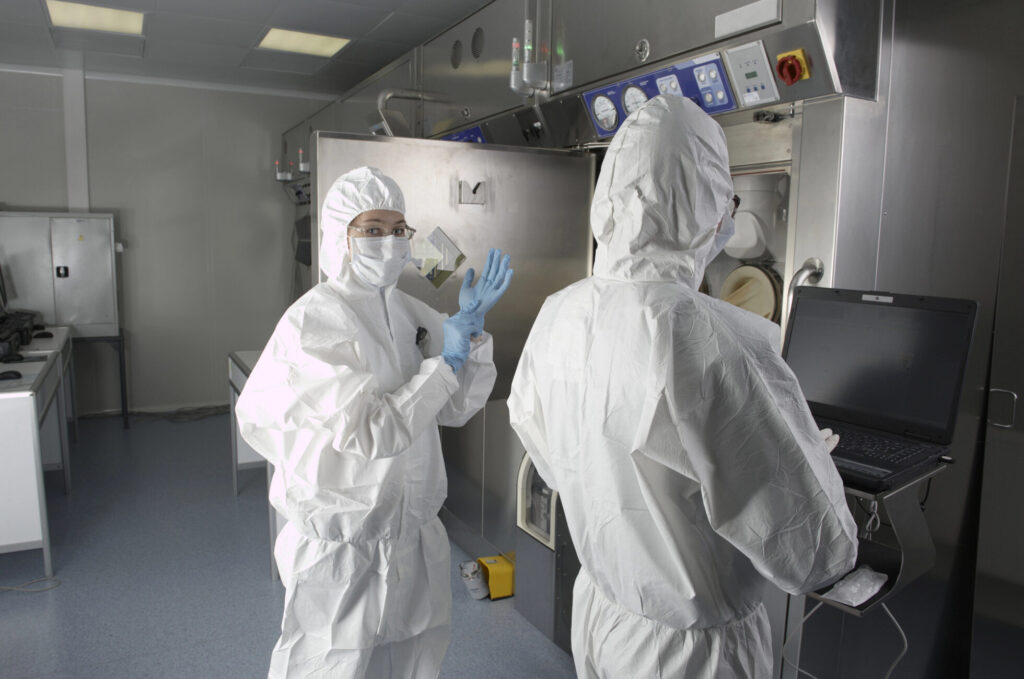
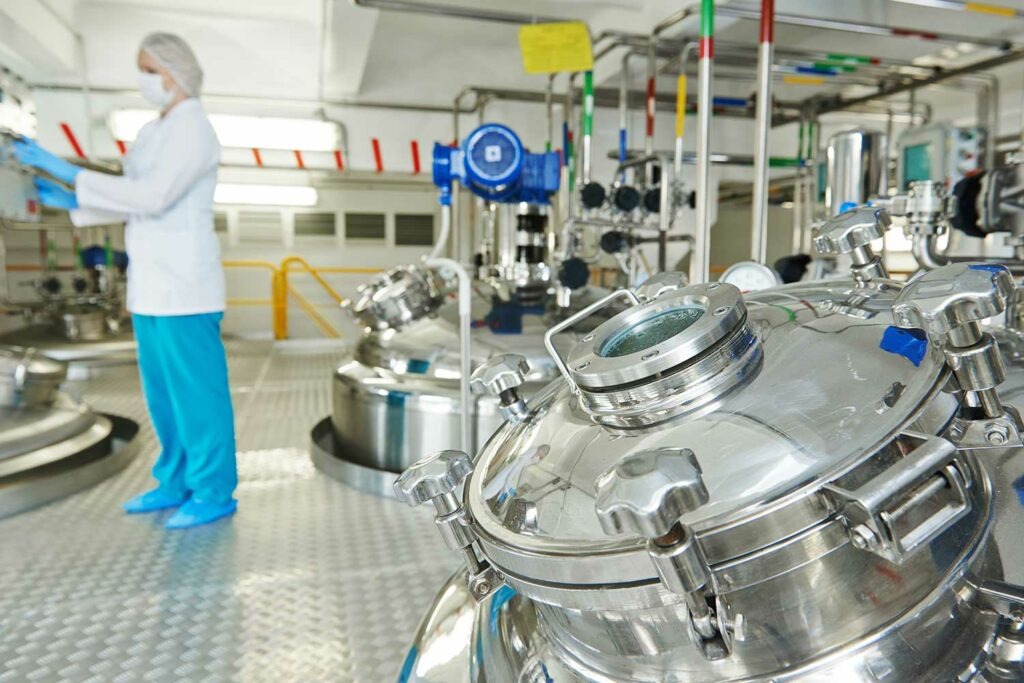
These facilities are both similar in the way that they operate to produce and ensure compounded medicines are sterile. They achieve this by having a secondary engineering control called a cleanroom and a primary engineering control device which is typically a compounding hood. There can be multiple rooms in a cleanroom suite, but the most common rooms are buffer and ante rooms. The Ante room is a space that is used to gown up to protect the environment from human contaminants while the buffer room is a cleaner zone where a PEC is physically located.
The cleanroom is held up to national standards by the FDA or USP 797 and USP 800. These standards maintain room integrity and sterility by enforcing tolerances for HEPA (High Efficiency Particulate Air) exchange rates, Exhaust air exchange rates, room pressures as well as viable and non-viable air particulate counts. These environmental factors combined can produce an environment that keeps dirty air out of the cleanroom and keeps hazardous drug vapors and residue from escaping the cleanroom.
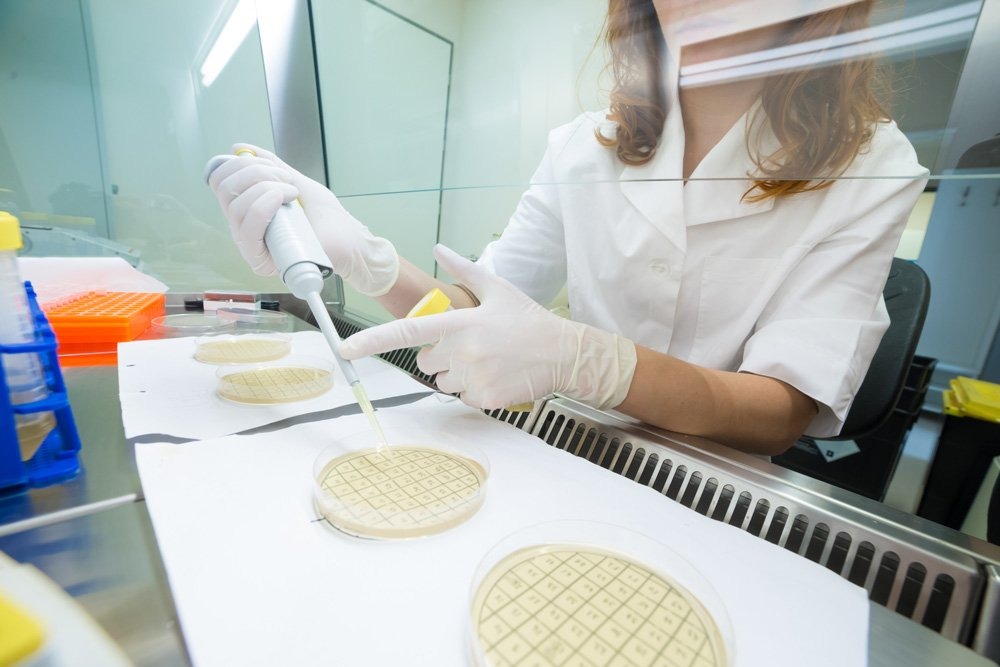
The primary engineering control or PEC is the device in which the drug compounding takes place. A PEC is a HEPA filtered device or zone that allows the compounding personnel to utilize pure HEPA filtered air as the primary barrier to contamination. When the compounding is being performed it takes place in a critical section of the hood called the DCA or Direct Compounding Area. The DCA is the critical area in which critical sites are exposed during compounding to HEPA filtered air known as first air.
Compounding performed inside of a PEC within a cleanroom suite using this process produces medicine that is pure and sterile. Once the medicine has been compounded it can be administered to patients or in some cases be stored for future use.
In summary, controlled environments play a vital role in providing medications that are required for optimal patient care. The services provided by compounding pharmacies ensure that patients have access to safe and reliable medications.
Why Allometrics?
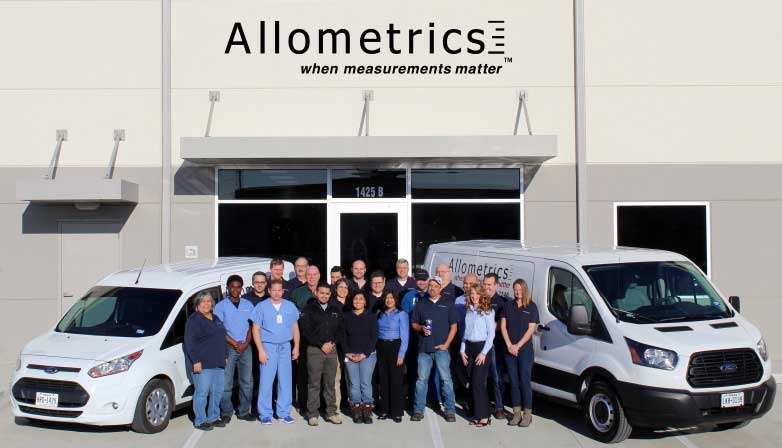
Allometrics is the top-rated ISO 17025 accredited laboratory providing services in Webster, Texas, and the Gulf Coast since 1976. Our experience and reputation speak to our commitment to high quality and excellence.
Our team of professionals is constantly training and attending seminars and forums to continually grow their knowledge and provide a better service to our clientele.
We pride ourselves on offering quick turnarounds and convenient solutions to our clients.