
Refining Dangers Can Be Mitigated – Gas Detector Maintenance and Sensor Calibration
Gaseous environments are abundant within the refining industry, and many can be life-threatening if their concentrations exceed the accepted Occupational Exposure Limit (OEL).
Exposure to toxic and combustible gases poses a real safety issue for the refining industry during the entire extraction and manufacturing process. Fortunately, refining dangers can be avoided through proper repair, calibration, and certification. For over forty years, Allometrics Inc. has provided the Refining and Petrochemical industries a wide array of top-quality equipment testing, repair, sales, calibration, and certification. Learn about how gas detector maintenance and sensor calibration is instrumental in refining safety.
The Challenge of Gas Detection In The Refinery Industry
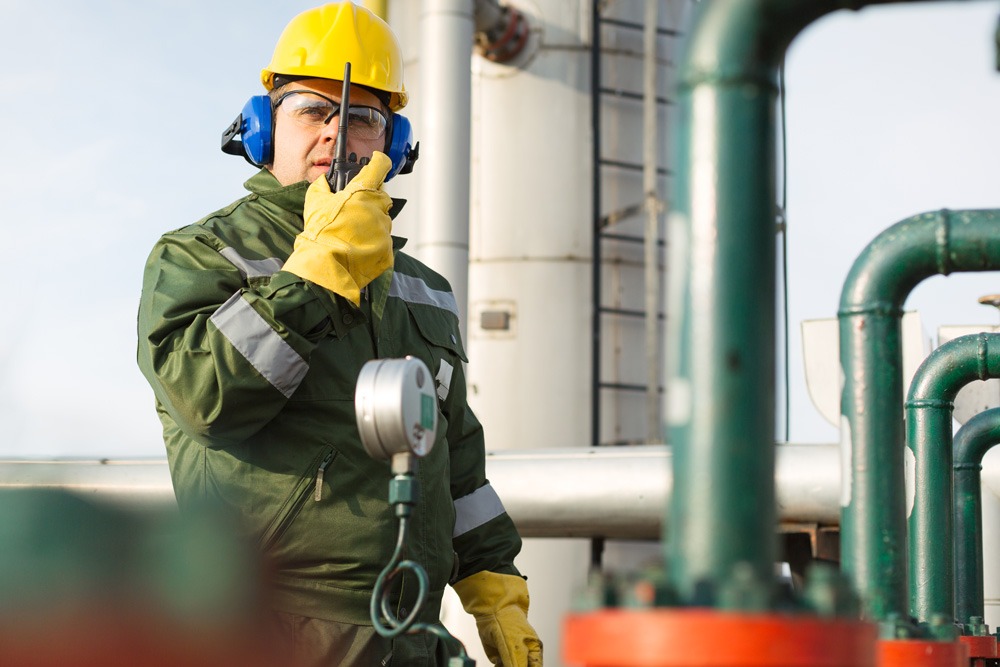
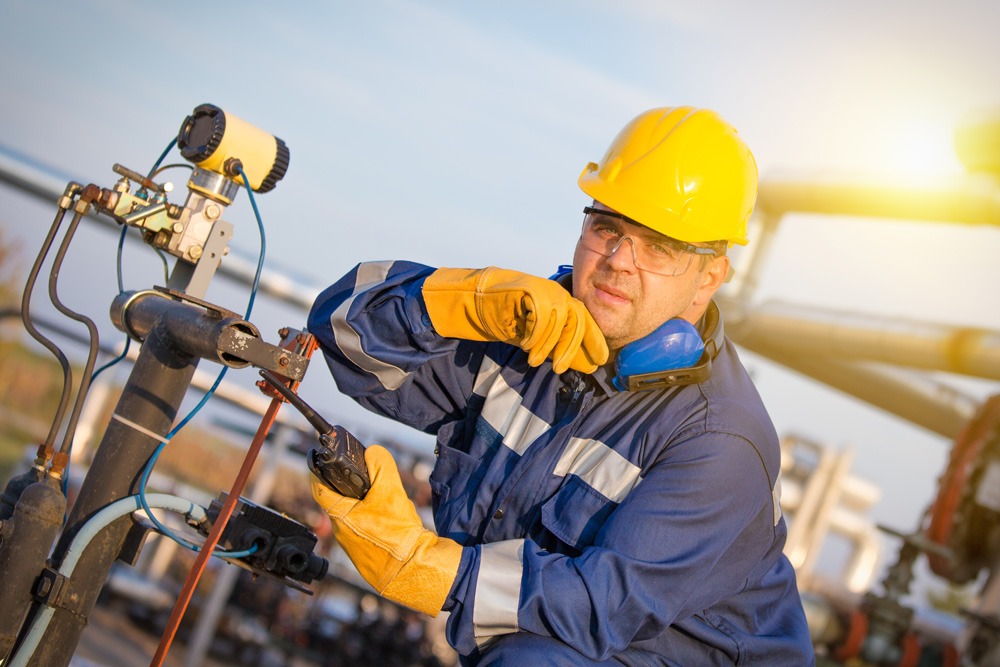
Refining dangers are ever-present proper safety precautions are not followed. One of the most significant challenges for oil field and refinery workers is that many of the gases present in their work environment are undetectable to the human senses.
High concentrations of these gases increase the risk of explosion and also represent a serious health hazard to an oil well and refinery workers.
The industry has taken steps to help mitigate the physical dangers of an explosion as well as the risk of an oxygen-deficient environment, not to mention the health hazards caused by these toxic gases.
One of the most significant safety measures is the use of portable gas detectors by refinery workers when in confined spaces or near high-risk leak points.
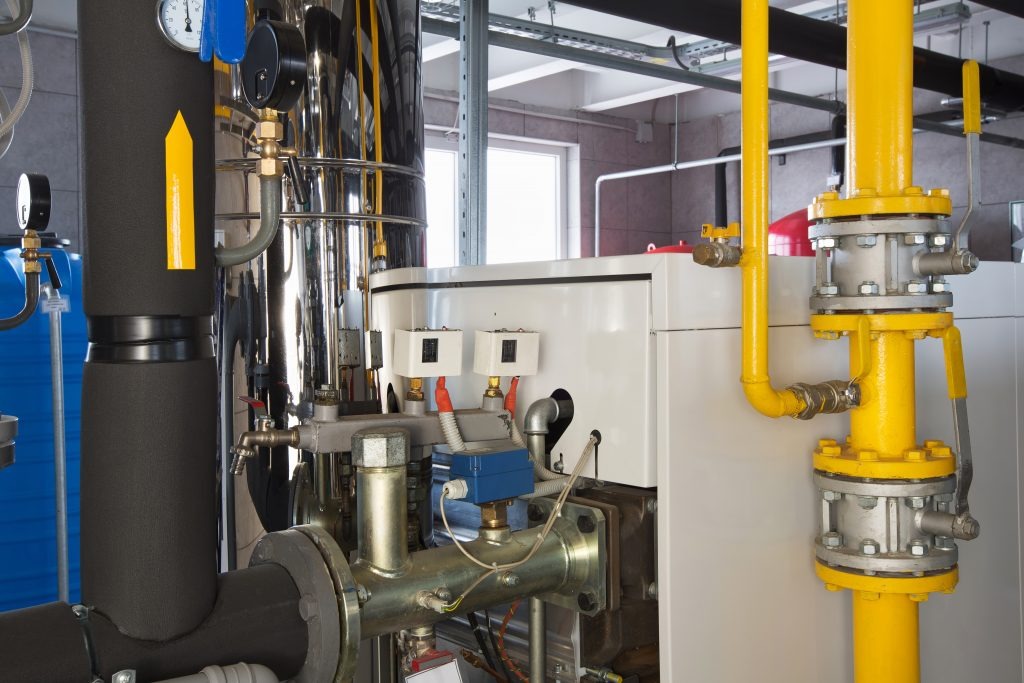
Additionally, fixed gas detectors need to be positioned at flanges, pumps, valves, and other potential leak points.
These devices are only as good as the accuracy of their readings. Calibration drift happens when an instrument’s reference point shifts, forcing its reading to shift accordingly, making it unreliable. Although calibration drift is inevitable, it is correctable.
Gas Detector Maintenance
Portable gas detectors are one of the most critical pieces of personal protective equipment (PPE) for refinery operators.
The purpose of gas detectors is to monitor and measure potentially lethal and combustible gases or lack of oxygen in the workplace environment.
When the readings provided by a gas detector reach a predetermined level, it triggers visual and audible alarms. These alarms signal the need to implement additional safety protocols, including powering down equipment, evacuating danger zones, starting ventilation fans, and calling the fire department.
Therefore, ensuring all gas detectors work correctly should be part of the scheduled maintenance program of every petrochemical plant.
The maintenance of a gas detecting system should include:
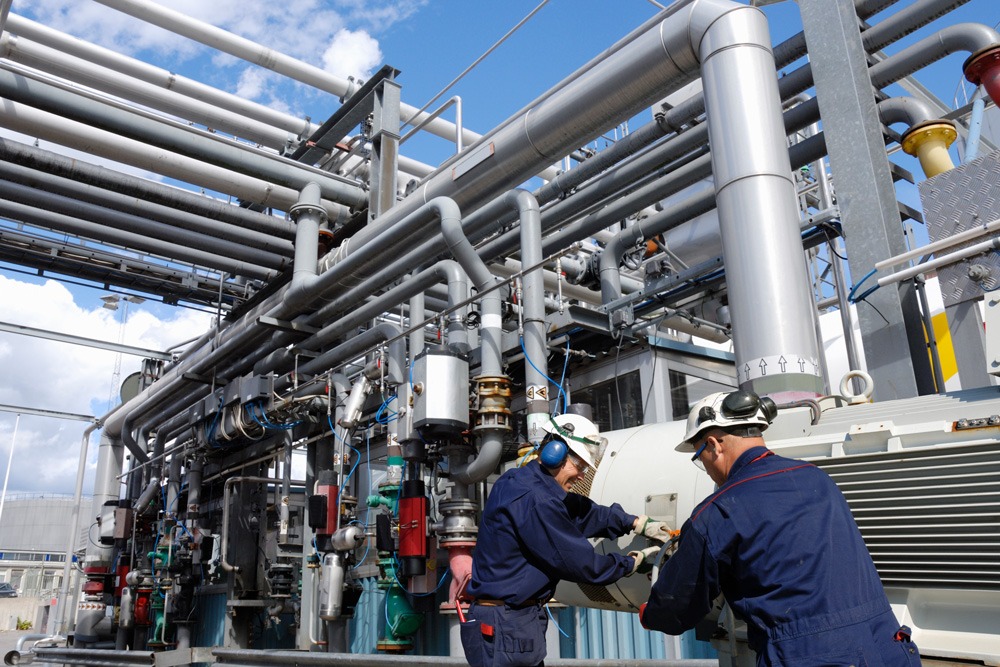
- Physical Inspection: Operators should check their units for any signs of visible wear and tear, tampering, accidental, or deliberate damage. They also need to check for cracks, water damage, loose screws, or wires and ensure there is no dust buildup on either the outside or inside of the enclosure.
- Bump Test All Sensors: At a minimum, gas detector monthly maintenance requires a bump test.
- Calibration: A full calibration is required every six months or when a bump test fails.
Bump Tests Vs. Full Calibration
Both tests are essential to the safety of workers and manufacturing plants.
A bump test briefly exposes the sensor to gas. The test will let operators know if their gas detectors are still capable of reading gas levels and that their alarm systems function accordingly.
A full calibration, on the other hand, exposes the gas detector’s sensors to a certified and traceable gas or gas mixtures concentration for a particular length of time.
The purpose of a calibration process is to verify that the gas detector provides accurate readings. Additionally, the process will correct any sensor drift that the gas detector may have experienced over time and ensures the readings are accurate. Without regular calibrations, the gas level readings will become less and less accurate as time passes.
Calibration must be done in a certified lab, as it makes use of a process known as zeroing. What this process does, is set the sensor to recognize the controlled ambient air in the lab as clean air (meaning there are no other relevant gases present).
Moreover, the Occupational Safety and Health Administration states a calibration must take place in environmental conditions that are the same or as similar as possible to the actual workplace conditions.
Allometrics has built strong business relationships with equipment manufacturers and distributors as well as specialized calibration labs. When your gas detectors require calibration, don’t hesitate to contact us. We can help you find the gas monitor calibration lab that best suits your needs from our approved vendor list.
For more information on our capabilities and services, please email us at info@allometrics.com. If we can’t do it, we know someone who can.
Allometrics Inc.
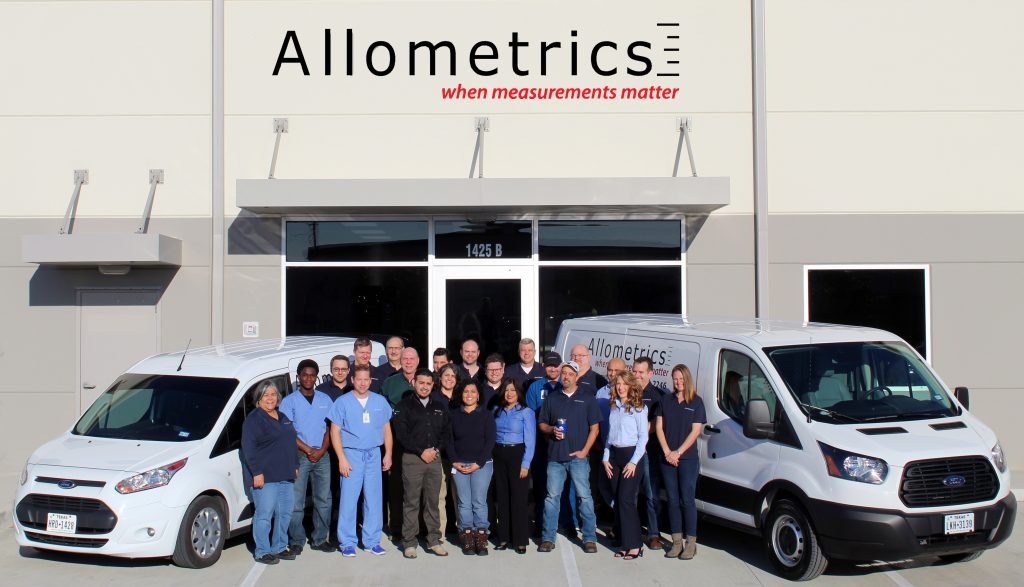
At Allometrics, we’ve spent the last 40 years helping our customers feel confident that their measurement results are accurate and reliable.
We provide world-class ongoing calibration services to ensure you maximize the performance of your instruments throughout its lifetime.
For more information on our services and capabilities please email us at sales@allometrics.com.