
Frozen foods are not a modern invention. This method of food preservation was common practice in cold regions for centuries.
Freezing inhibits the growth of microorganisms that decompose and spoil food. The key to keeping the product’s integrity is to freeze it instantly and keep it that way until it’s ready for consumption. This is why regular freezer calibration and temperature mapping are vital to the industry.
The Increasing Popularity of Frozen Foods
The Increasing Popularity of Frozen Foods
Perhaps the most significant benefit of frozen foods that include prepared meals and raw produce and meats is convenience.
As consumers spend more time working or practicing leisure activities, the demand for affordable, convenient, and time-saving products grows.
This growth means improvements and additional controls within cold chain management are imperative.
The Importance of Temperature Control
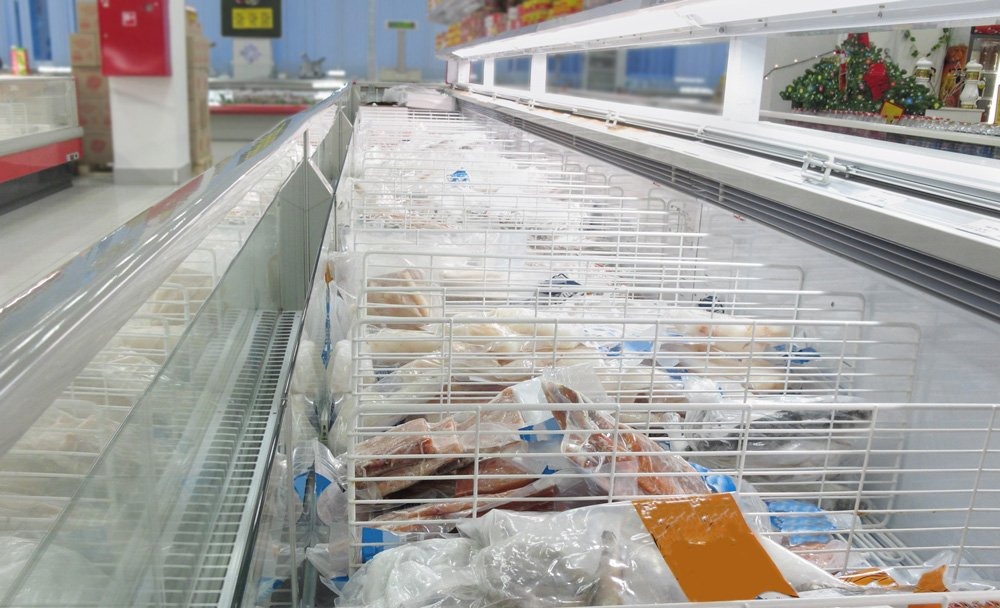
Refrigerated and frozen foods are growing sectors of the grocery and foodservice industries. The frozen food industry alone has an estimated US Market value of $36.3 bn.
Yet like any other sector within the food processing industry, it’s not without its vulnerabilities. Its continued success relies heavily upon the effective management of the cold chain.
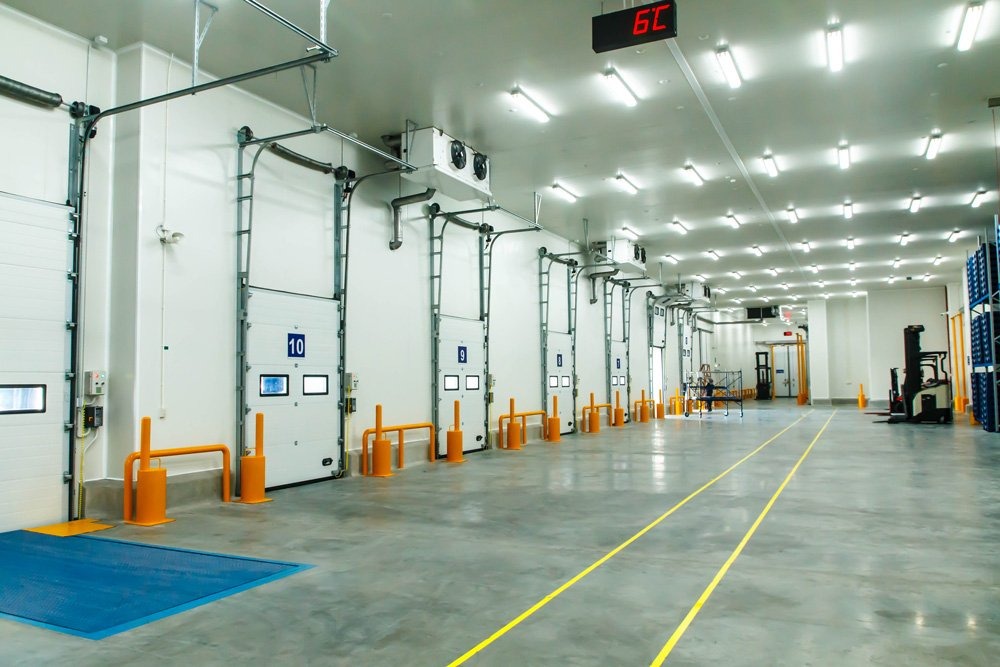
Temperature and humidity controls within the cold chain are vital to preserving refrigerated and frozen foods’ safety and quality and compliance with legislative requirements and industry best practices.
Without proper temperature controls, harmful bacteria in food can quickly multiply and spoil food products. That is why it’s imperative to ensure stringent temperature and humidity controls along the entire supply chain.
Cold chain management is a shared responsibility that requires concerted efforts from cold store operators throughout the supply chain – from manufacturers, suppliers, logistic companies, distributors, wholesalers, and retailers.
In order to maintain monitoring processes and proper documentation, refrigerators and freezers must be regularly calibrated. Additionally, scheduling regular temperature and humidity mapping will prevent potential temperature abuse and help keep food safe.
The Role and Benefits of Calibration Services in the Frozen Foods Industry
Freezer calibration and temperature mapping play a crucial role in quality assurance and compliance within the frozen food sector.
Given the effect food products have on the quality of human and animal health means manufacturing, distribution, and storage standards are stricter and more heavily regulated than those of other sectors.
Therefore, it should come as no surprise that the U.S. Food and Drug Administration (FDA) guidelines require periodic tests and maintenance activities of equipment used to manufacture, handle, and store refrigerated or frozen foods for human consumption.
Benefits Temperature Control Measures and Calibration
A validation program that includes regular freezer calibration, freezer temperature gauges, and temperature mapping is an essential aspect of quality monitoring and assurance.
Implementing scheduled maintenance and calibration is necessary to maintain FDA and ISO compliance. Moreover, commitment to high-quality safety standards will help build consumer trust and brand reputation.
Calibrated instruments that are traceable to national and international standards help minimize errors and provide the highest degree of accuracy. Likewise, calibration reports are instrumental in both internal and external audits.
Regular freezer calibration and maintenance of freezer temperature gauges ensure that equipment performs at optimal levels, improves efficiency and uptime, and provides cost savings by minimizing emergency repairs, lowering energy consumption, and preventing production losses.
Freezer calibration and temperature mapping help avoid potential recalls and litigation due to contaminated products.
At Allometrics, we help our clients within the frozen food sector maximize efficiency and revenue by providing quality freezer calibration, freezer temperature gauge calibration, and temperature mapping within all cold chain management stages.
Call us today to learn more about our…