
Why is Laboratory Cleaning and Maintenance so Important?
To get precise and trustworthy results, it’s crucial to maintain lab equipment properly. Clean surfaces regularly with suitable solutions, follow manufacturer guidelines for maintenance and calibration, and promptly address any wear or damage. Lab personnel should undergo regular training on equipment maintenance for optimal performance.


Preventative Lab Maintenance
Preventative lab maintenance aims to address and prevent potential issues with laboratory equipment proactively.
- Components of the Process:
- Routine inspections
- Cleanings
- Adjustments
- Calibrations
- Benefits of Maintaining Schedules:
- Minimizes the risk of equipment failure
- Extends the lifetime of instruments
- Maintains the accuracy of experimental results
- Early Issue Identification:
- Enables early identification and resolution of problems
- Reduces the likelihood of unexpected breakdowns disrupting research or experiments
- Strategic Importance:
- Proactive strategy for ensuring reliability, accuracy, and safety of laboratory equipment
- Enhances the efficiency and effectiveness of scientific workflows.
Regular Lab Maintenance
Regular maintenance of lab equipment is crucial for several reasons.
- By maintaining accurate and reliable instruments, it ensures the accuracy of experimental results.
- Performing regular maintenance also extends the life of equipment, reducing the need for costly replacements.
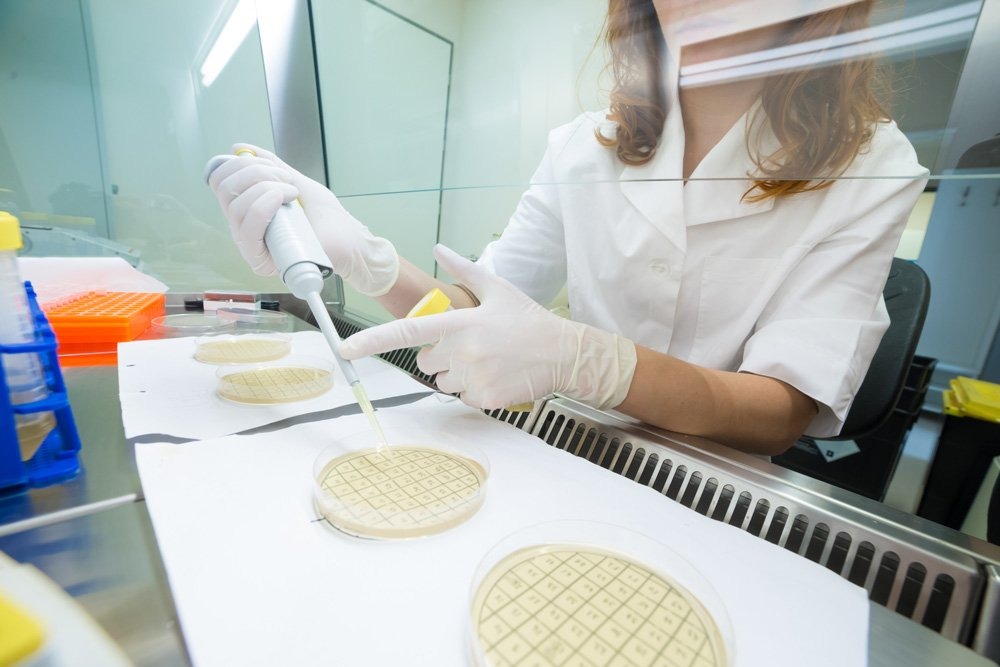
- Proper care minimizes the risk of contamination, which is vital in sensitive experiments.
- It enhances safety by identifying and addressing potential issues before they become hazards.
Routine maintenance contributes to compliance with regulatory standards and demonstrates a commitment to quality in research or analytical processes.

Calibration
The calibration of laboratory equipment is vital to ensure the accuracy and reliability of measurements. Depending on factors such as wear, environmental conditions, or usage, instruments can drift or deviate from their calibrated state over time.
In fields like research, healthcare, and manufacturing, where precision is critical, calibrated instruments provide trustworthy data. Calibration also helps meet regulatory requirements and quality standards, contributing to the overall validity and credibility of scientific endeavors.


Preventing contamination and ensuring accurate results require the proper cleaning of lab equipment.
Top Tips for Cleaning
Following is a general guide:
1. Read Manufacturer Instructions: Always follow the manufacturer’s specific cleaning instructions.
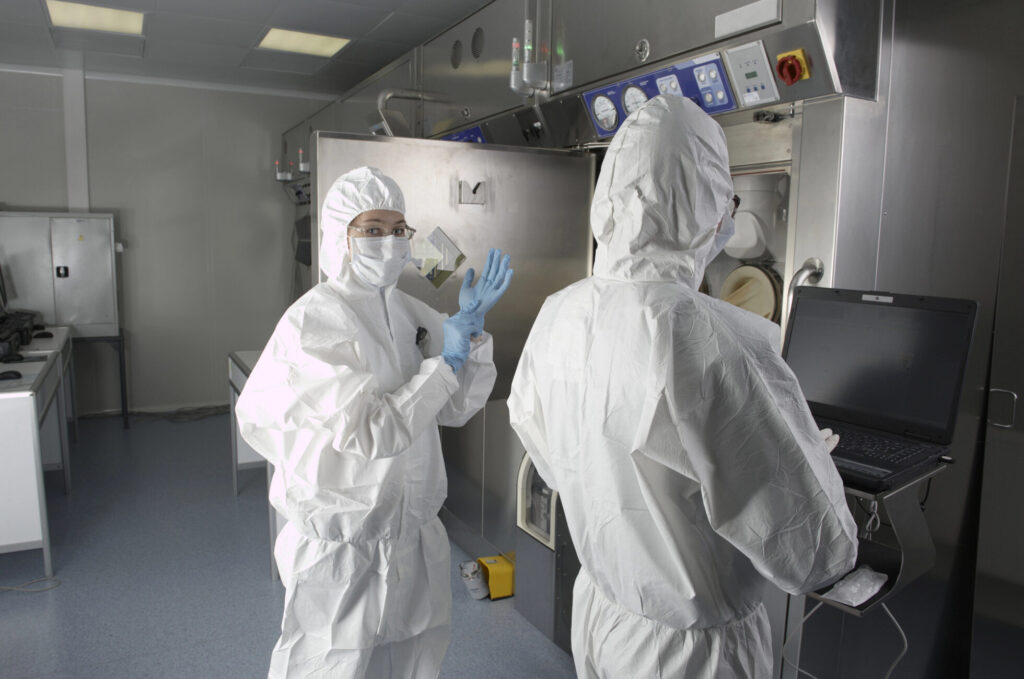
2. Safety Precautions: Wear appropriate personal protective equipment (PPE) such as gloves and goggles.
3. Unplug or Power Off: Before cleaning electrical equipment, ensure it is unplugged or powered off to avoid accidents.
4. Remove Residues: Clean any visible residues with a suitable solvent or cleaning solution. Be cautious with chemicals, ensuring compatibility with the equipment.
5. Disassemble if Necessary: If possible, disassemble components for a more thorough cleaning. Follow the manufacturer’s instructions for disassembly and reassembly.
6. Use Appropriate Cleaning Agents: Select cleaning agents based on the type of material and the nature of contaminants. Common agents include mild detergents, isopropyl alcohol, or specialized lab cleaning solutions.
7. Soft Brushes or Cloth: Use soft brushes, lint-free cloths, or cotton swabs for delicate components. Avoid abrasive materials that could damage surfaces.
8. Rinse Thoroughly: After cleaning, rinse equipment thoroughly with distilled water to remove any residue from cleaning agents.
9. Dry Completely: Ensure equipment is completely dry before use. Use lint-free cloths or allow items to air-dry, depending on the material.
10. Check Compatibility: Confirm that the cleaning agents used are compatible with the equipment materials. Some materials may be sensitive to certain chemicals.
Above all, regular maintenance, calibration, and following safety protocols are crucial for equipment longevity and successful scientific endeavors. A well-maintained laboratory is essential for reliable research, showcasing a commitment to precision and excellence in scientific exploration.
Why Choose Allometrics?
Choose Allometrics for precise calibration and certification. We are devoted to ensuring accurate measurements and certified standards across industries. Our excellence, advanced technology, and skilled team make us the top choice for calibration and certification.