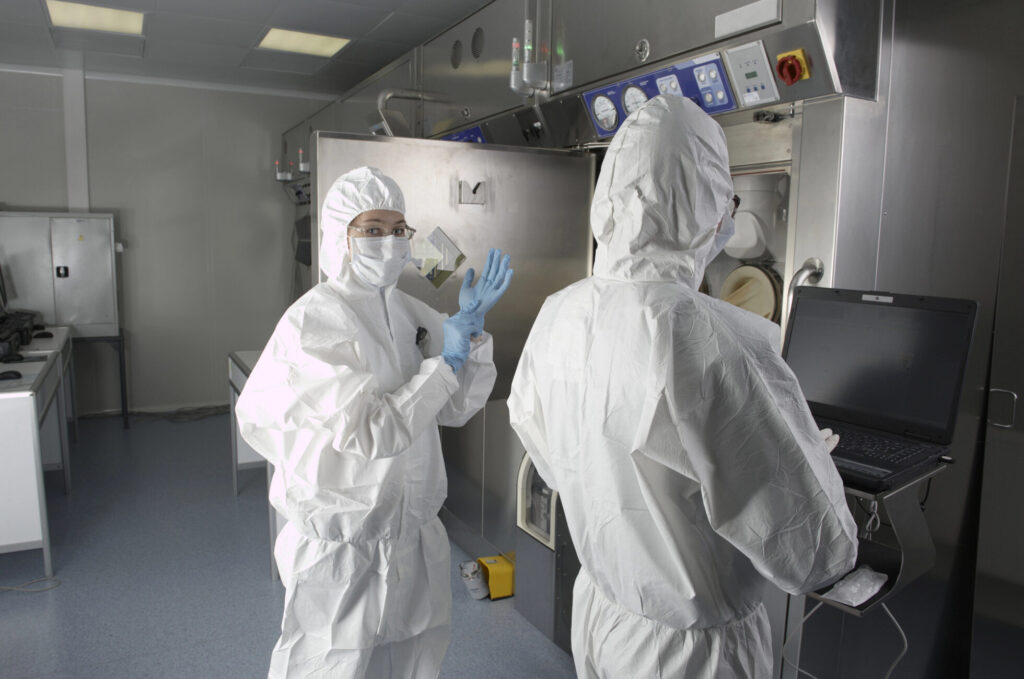

How to Safely Operate a Fume Hood
What is a chemical fume hood? Chemical fume hoods are ventilated enclosures used to trap and exhaust vapors, gases, and nanoparticles. Typically, the exhaust fan is located at the top of the building, drawing in air through the ducts connected to the hood and exhausting it.

Fume Hoods that Safely Operate Properly
In laboratories, fume hoods are crucial for ensuring safety by containing and ventilating dangerous fumes and substances. The purpose of this is to reduce the risk of exposure to hazardous materials, to protect against chemical inhalation, and to maintain a controlled environment for experiments, thus minimizing the risk of accidents and health complications.

Stay on Top of Things!
When using a fume hood:
- Be careful not to allow your head to enter the opening of the hood.
- Use appropriate eye protection.
- Be sure that nothing blocks the airflow through the baffles or through the baffle exhaust slots.
- A centrifuge, for example, should be elevated at least two inches from the interior base of the hood.
Inspections at Regular Intervals
An inspection of a fume hood is essential to identify and resolve any issues that may compromise its effectiveness. A routine inspection helps ensure proper airflow, detect damage, or wear, and verify the operation of safety features, such as alarms. Inspections contribute to the maintenance of a safe and healthy working environment by addressing issues as soon as possible. Your laboratory’s policies and local regulations may determine how often you should inspect a chemical fume hood.
In general, the following guidelines should be followed:
1. The laboratory should conduct routine inspections on a regular basis.
2. Periodic certification: A qualified technician should inspect and certify the fume hood at least once annually. This ensures compliance with safety standards and optimal performance.
3. Perform as-needed inspections: Do not wait to perform routine inspections if you notice any irregularities or suspect a problem. In order to maintain a safe and efficient working environment, follow your laboratory’s specific safety protocols and regulations.


Tips for Staying Ahead
1. Cleanliness: Keep the interior clean and free of clutter. Wipe down surfaces regularly to prevent chemical buildup.
2. Monitor Airflow: Verify that the airflow is consistent and meets the required specifications.
3. Verification: Verify that alarms and airflow monitors are functioning properly. Test them regularly.
4. Corrective Maintenance: Address any issues immediately. Do not use a malfunctioning fume hood.
5. Airflow Adequacy: Maintain adequate airflow while working in the hood by maintaining the sash at the appropriate height.
6. Safety: Make sure that all safety labels and warning signs are in place and clearly visible.
7. SOP: Follow the standard operating procedures when using your fume hood, and only use it for the purpose intended.
8. Training: Properly train all users on fume hood operation and safety protocols.
When working with chemicals, safety is paramount, and a well-maintained fume hood is essential.
Features to Look for in a New Fume Hood
It is important to consider the size, venting options, cost, energy efficiency, accessories and fixtures needed for smooth operation as well as the actual lab space when selecting fume hoods.
Questions for consideration:
(a) What type of work will be conducted within the fume hood?
(b) Which types of samples will be used?
(c) Is there a minimum air flow requirement?
(d) How large and in what configuration is required?
(e) Are there any concerns regarding the reputation of the manufacturer?
These factors can help you select a chemical fume hood that will provide a safe and efficient laboratory environment.
It can be concluded that maintaining a safe and secure laboratory environment depends on the proper operation of a fume hood. Researchers are protected from possible health hazards by a fume hood that efficiently contains and ventilates harmful substances. It is imperative that regular inspections be conducted in order to identify and resolve any issues that may arise.
Master fume hood safety with top tips for secure operation. Essential guidance for a hazard-free laboratory environment.