
You’re reviewing your hazardous drug cleaning SOP the night before your Joint Commission survey and you want to be absolutely confident that your deactivation process actually renders hazardous drugs inert. Patient safety depends on getting these protocols right.
Understanding USP 800 deactivation and decontamination cleaning requirements means recognizing three distinct steps that sound similar but serve different purposes. Mix them up or skip one, and you’re risking both patient harm and survey findings. Deactivation neutralizes the drug’s chemical threat. Decontamination removes the neutralized residue. Cleaning addresses everything else. This guide walks you through each step, the required agents and documentation standards to maintain your cleanroom certification needs and protect staff and patients.
What is the Difference Between Deactivation and Decontamination in USP 800?
| Cleaning Step | What It Does |
| Deactivation | Renders hazardous drugs chemically inactive using EPA-registered oxidizing agents (hydrogen peroxide, bleach), neutralizing harmful properties |
| Decontamination | Physically removes inactivated drug residue by transferring it to disposable wipes or pads |
| Key Difference | Deactivation neutralizes the chemical threat; decontamination removes the neutralized residue |
Three-Step Cleaning Process for HD Areas
Step 1: Deactivation – Rendering Hazardous Drugs Inert
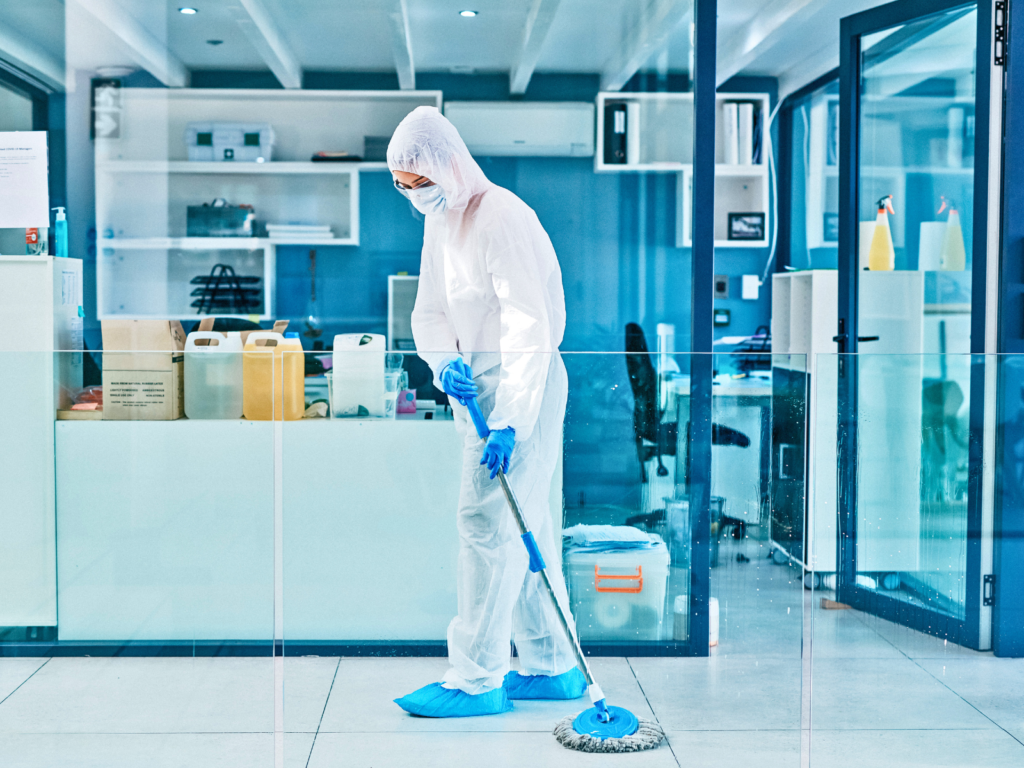
Deactivation is the chemical neutralization of hazardous drug properties using EPA-registered oxidizing agents that break down the drug’s molecular structure. Common agents include hydrogen peroxide formulations and sodium hypochlorite (bleach) at specific dilution ratios. Application method matters—these agents should be applied using wetted wipes rather than spray bottles to avoid aerosolizing residue. The deactivation agent needs minimum contact time for the chemical reaction to complete, so follow manufacturer instructions exactly. Some agents can corrode stainless steel surfaces in your C-PEC without proper neutralization, making surface compatibility a genuine concern for equipment longevity.
Step 2: Decontamination – Physical Removal of Drug Residue
Decontamination transfers inactivated hazardous drug residue from surfaces to disposable materials using alcohol, peroxide, or germicidal detergent-saturated wipes. This step removes what deactivation neutralized—the drug particles are already inert, but they’re still sitting on your work surface. Here’s the distinction: deactivation changes the drug chemically, decontamination moves it physically. Use unidirectional wiping strokes with overlapping passes to avoid missing spots. Multiple passes may be needed for complete residue removal, especially in high-volume compounding areas. Your C-PEC work surface requires decontamination between compounding different hazardous drugs, and the area under your C-PEC deck needs attention at minimum monthly intervals. [1]
Step 3: Cleaning – Removing All Remaining Contaminants
Cleaning removes hazardous drug residue plus other contaminants using germicidal detergents, surfactants, and water. This step addresses everything beyond just hazardous drugs—general dirt, bioburden, and environmental contaminants. EPA List A antimicrobial agents or facility-approved germicidal detergents work for this step. [2] The distinction from decontamination: cleaning has a broader scope, addressing all contaminants rather than focusing solely on hazardous drug residue. Cleaning must occur after deactivation and decontamination, never during active drug manipulation. Use the same unidirectional wiping technique from previous steps to maintain consistency.
Step 4: Disinfection for Sterile Compounding Areas
Disinfection is required only for sterile compounding areas under USP 797—non-sterile hazardous drug areas need only the first three steps.
Sterile area requirements:
- EPA-registered disinfectants or sterile 70% IPA
- Three-minute contact time for sporicidal action
- Final wipe with sterile alcohol common in pharmacy protocols
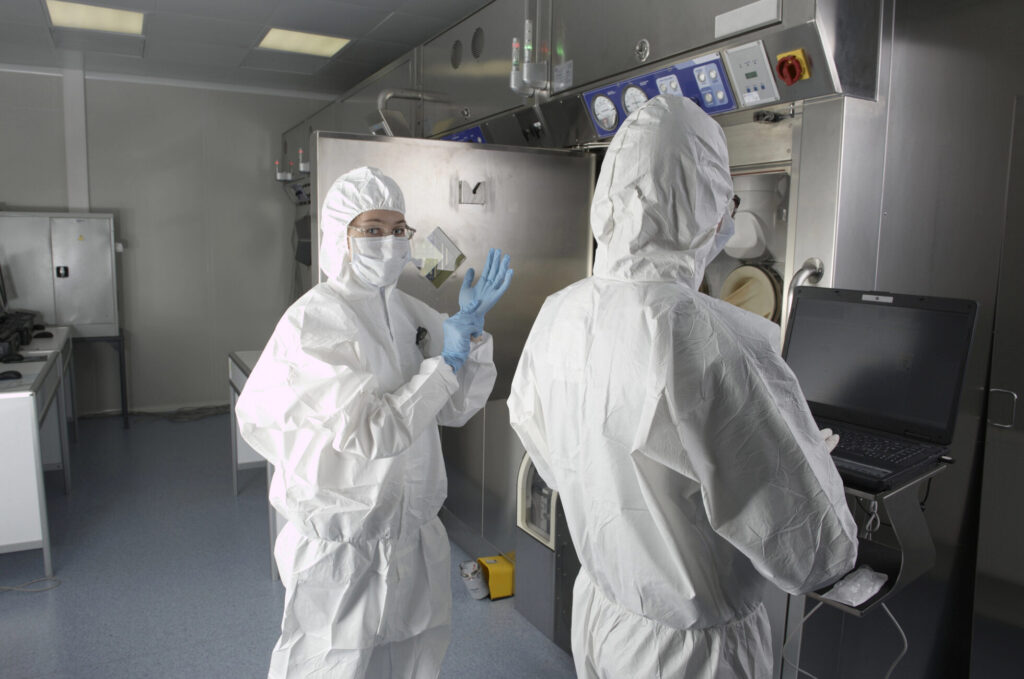
Need help verifying your C-PEC containment and environmental controls? Allometrics provides surface sampling and cleanroom certification services. We work to accommodate your compounding schedules. Call (281) 474-3329.
EPA-Registered Agents for HD Surface Decontamination
Hydrogen Peroxide-Based Formulations
Hydrogen peroxide products offer safer alternatives to bleach with less corrosion risk to stainless steel surfaces. These oxidizing agents degrade chemotherapy drugs through chemical breakdown and work effectively across multiple hazardous drug categories. Your C-PEC surfaces, biological safety cabinet interiors, and isolator work areas all handle hydrogen peroxide better than bleach. Common products include Accelerated Hydrogen Peroxide (AHP) and Peridox RTU — EPA-registered for hazardous drug deactivation. Pre-saturated wipes eliminate mixing calculations and improve consistency since there’s no room for preparation errors.
Sodium Hypochlorite (Bleach) Solutions
Bleach remains a proven oxidizer for hazardous drug deactivation but creates surface compatibility problems. Bleach can corrode stainless steel without proper neutralization, requiring treatment with sodium thiosulfate followed by a pairing agent like sterile alcohol, sterile water, or germicidal detergent. Health and safety concerns drive many facilities away from bleach—respiratory effects from fumes affect staff in enclosed spaces, and potential for hazardous byproducts adds risk. The mandatory neutralization steps to prevent equipment damage add time and complexity, leading many pharmacy directors to prefer hydrogen peroxide alternatives.
Germicidal Detergents and Combination Products
Dual-purpose products simplify protocols by accomplishing multiple steps with a single agent. Clorox Healthcare Bleach Germicidal Wipes and Clorox Healthcare Hydrogen Peroxide Cleaner Disinfectant Wipes underwent validation testing with representative chemotherapy agents to prove effectiveness. [3] These and similar products are approved for chemotherapy hoods and pharmacy compounding areas, not just general hospital cleaning. Cost-effectiveness comes from reduced product inventory—one product handles all three steps instead of stocking separate deactivation agents, decontamination solutions, and cleaning products.
Cleaning Frequency and Documentation Standards
Daily and Between-Batch Cleaning Requirements
Minimum cleaning frequencies for hazardous drug areas:
| Location/Situation | Required Actions | Timing |
| C-PEC surfaces | Deactivation, decontamination, cleaning | Daily minimum (when used) |
| Between different HDs | Decontamination of work surface | After each drug |
| End of shift | Complete sequence plus disinfection (sterile areas) | End of compounding activities |
| HD spills | Immediate deactivation, decontamination, cleaning | Immediately |
| Area under C-PEC deck | Deactivation, decontamination, cleaning | Monthly minimum |
Scheduling cleaning around patient care creates real challenges. Chemotherapy schedules, critical medication needs, and staffing limitations all compete for attention. Most facilities schedule intensive cleaning during lower-volume periods, though spills require immediate response regardless of clinical demands.
Cleaning Protocols for Non-Sterile HD Areas
Non-sterile hazardous drug areas have specific cleaning protocols:
- Receiving areas with CVE: Regular deactivation, decontamination, cleaning based on volume
- Reusable equipment (counting trays, spatulas, mortars, pestles): Clean after each use
- HD vials: Wipe down before placement on any surface
- Storage areas: Regular cleaning per risk assessment
Remember that cleaning solutions must not damage vial labels or make them unreadable, and reusable items should be cleaned separately from surface cleaning to prevent cross-contamination.
Documentation and Record-Keeping Requirements
Written SOPs must document:
- Specific agent names and dilution ratios
- Application methods and sequence of steps
- Completion logs recording date, time, personnel, and location
Training and review requirements:
- Initial training records for all staff performing cleaning
- Ongoing competency verification documentation
- Annual SOP review (minimum every 12 months)
- Immediate updates for trigger events (new HDs, equipment changes, process modifications)
Professional Support for USP 800 Compliance
Allometrics provides complete environmental testing services with ISO 17025 accredited instruments and pharmacy-specific expertise. Our CETA Registered and NSF Accredited technicians work around your clinical schedules, including evenings and weekends to accommodate chemotherapy preparation demands.
With 50 years of experience serving pharmacies nationwide, we provide comprehensive documentation for your upcoming inspections.
Call (281) 474-3329 or request a cleanroom certification quote today.