
The recent rollout of COVID-19 vaccines has put enormous pressure on vaccine coordinators, distributors, and administering healthcare facilities.
The storage temperature requirements for both the Pfizer and Modena vaccines far exceed the regular refrigerators’ capabilities and have inadvertently revolutionized the global cold chain.
But, upgrading refrigeration equipment to safely transport the vaccines from the manufacturer to the distribution centers and finally to the healthcare facilities is only the initial step.
Guaranteeing temperature consistency throughout the distribution chain is critical. The Pfizer vaccine requires long-term storage temperatures of -70°C and Moderna’s at -20 °C. Both vaccines can last for short periods at different temperatures. However, prolonged exposure to warmer temperatures will result in vaccine degradation.
Ensuring Proper Cold Storage of COVID-19 Vaccines
Vaccine distribution is the lifeline we are all waiting for, the way to gain control over this devastating disease finally.
Inadvertent temperature variations during transport or long-term storage could mean people can receive damaged or inactive doses of the vaccines that will not protect them against COVID-19.
This scenario could lead to unnecessary pain and loss, and it could also lead to legal action and result in substantial financial loss.
To prevent this from happening, strict controls and monitoring protocols within the cold chain are necessary.
Thankfully, there are simple and cost-effective ways to implement these controls and improve monitoring processes.
Temperature, Humidity, and Pressure Mapping
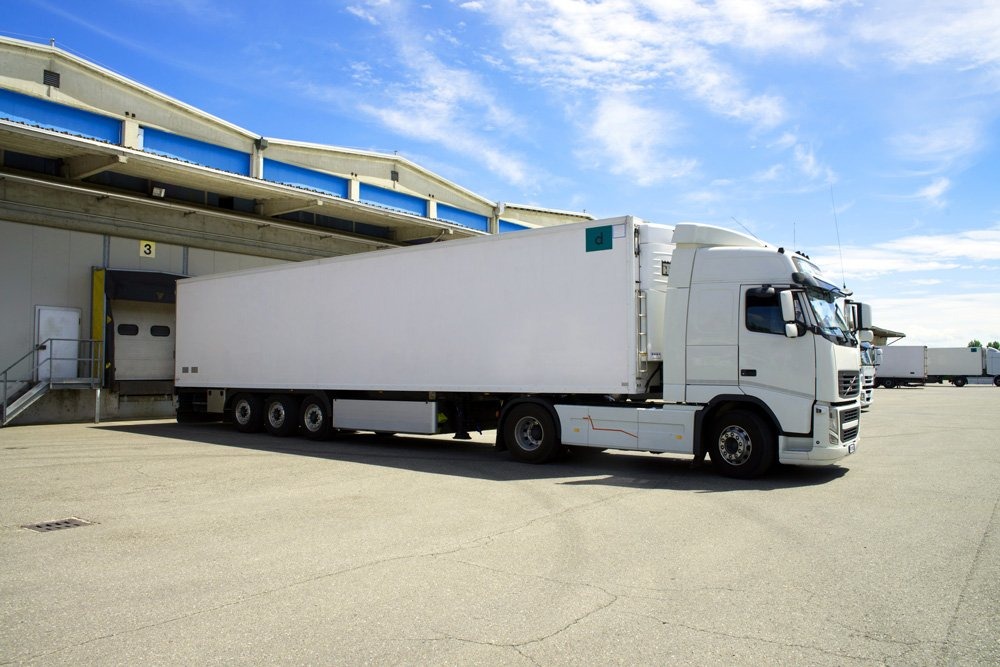
Mapping is the process of recording the temperature and humidity levels in a 3-dimensional space with the use of dataloggers.
The dataloggers are strategically placed within the cold storage unit and allow controllers to see each chosen location’s temperature and humidity within the space.
While temperature mapping is necessary to remain compliant in many industries, it is an absolute necessity to ensure the stability and efficacy of COVID-19 vaccines.
Temperature mapping helps identify critical environmental aspects that can compromise the vaccines during transport and long-term storage units.
Installing dataloggers in cold-storage units for COVID-19 vaccines is vital to ensure public safety. However, these monitoring devices need to be included in all calibration and preventive maintenance programs to guarantee their proper function.
Cold Storage Monitoring for COVID 19 Vaccines
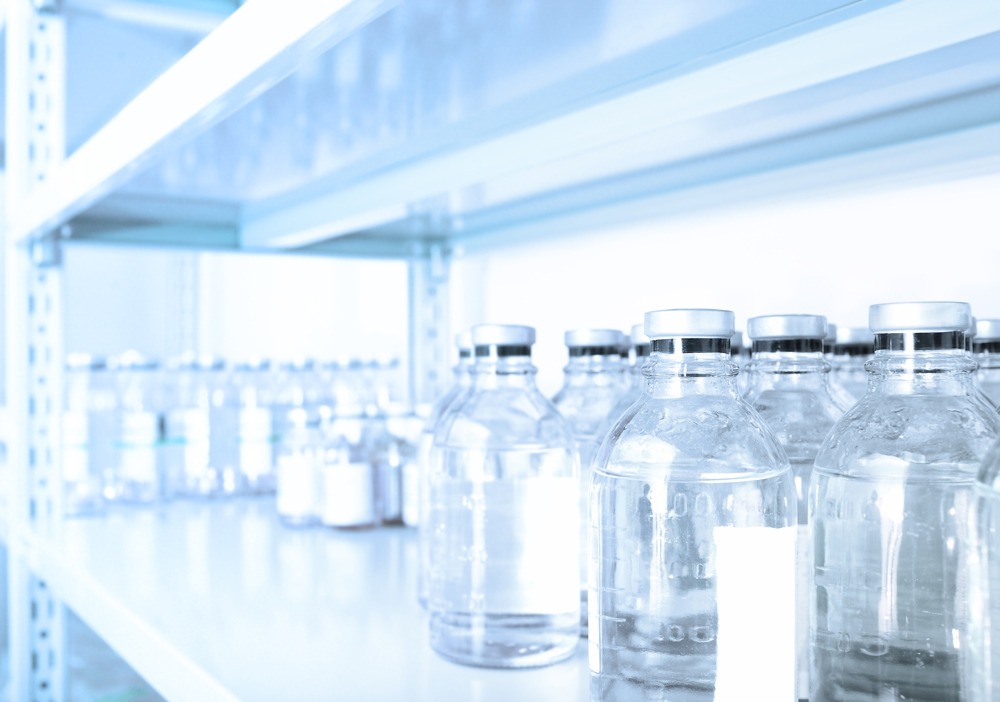
The vaccine storage and handling toolkit issued by the Centers for Disease Control and Prevention (CDC) includes a Cold Chain Flowchart detailing all relevant parties’ responsibilities.
Even though responsibilities vary, there is one constant during all stages of the cold chain, and that is required use of reliable temperature monitoring equipment.
The CDC recommends using digital data loggers with a buffered temperature probe, which are considered the most accurate way to measure on the spot vaccine temperatures. However, these data loggers are incapable of sounding an alarm before the vaccine temperature is affected.
A verified way to add an extra layer of security is by installing a second probe that measures the air temperature within the cold storage unit. This additional probe can read and record the slightest change in air temperature before it affects the vaccine temperature and notify controllers of the potential problem, giving them enough time to implement any corrective actions needed.
These two simple yet highly effective solutions are available through Allometrics for all types of cold store units certified to transport and store COVID-19 vaccines.
Contact us today to learn more about our services and how we help COVID-19 vaccines reach distribution centers safely.