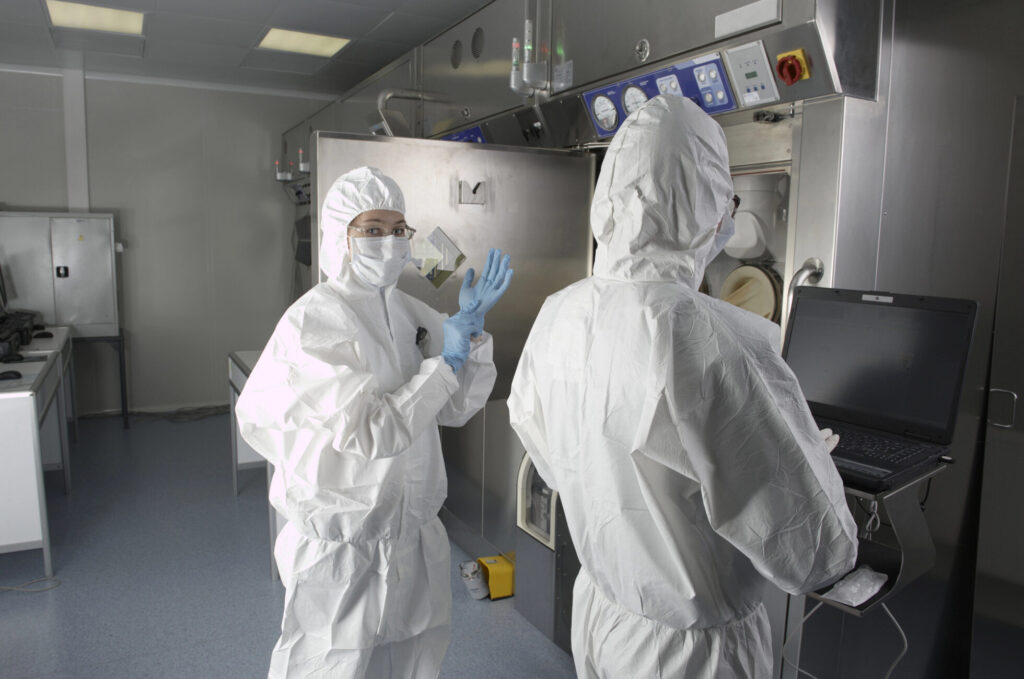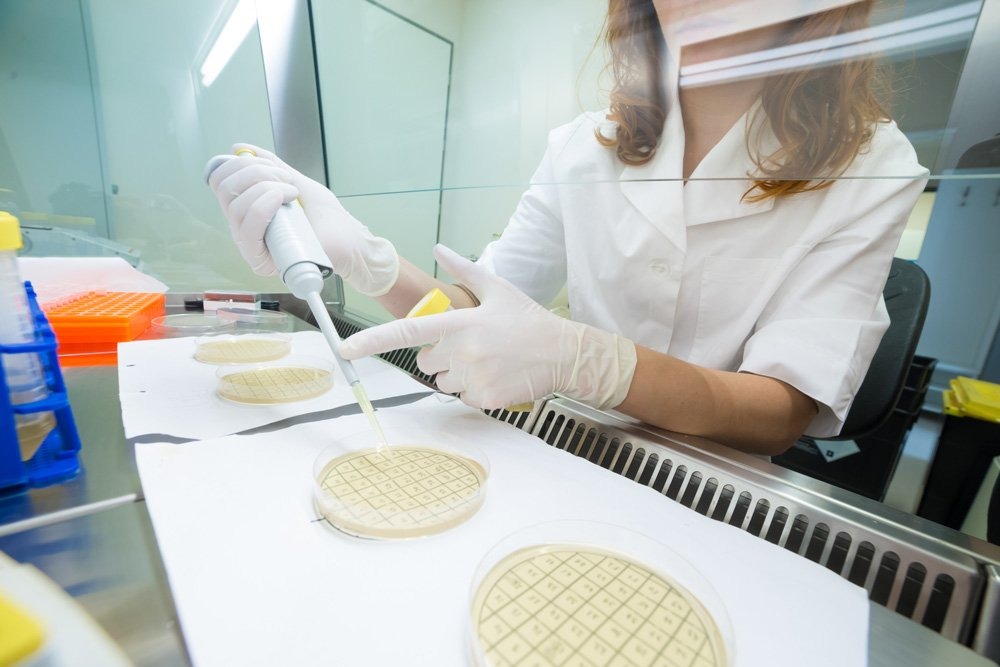

Now is a good time for University lab directors to take a closer look at the state of their equipment. In science, environmental, computer, medical, and biomedical education university laboratories play an essential role.
Over the years, the world has benefited from countless research studies conducted at universities, from gene sequencing to the development of new life-saving drugs and treatments. Thousands of people around the world benefit from these findings, but they wouldn’t be possible without accurate measurements provided by the equipment used during the experiments.


Why Lab Equipment Calibration is Essential?
Calibration ensures that your equipment and tools are operating at optimal performance. This can help you to avoid costly mistakes. As we know, Instrument calibration determines its accuracy. The calibration process involves obtaining readings from your lab’s instruments and measuring their variations against measurement readings from accepted and traceable standards.
Additionally, calibrating your instruments may also involve adjusting their precision and accuracy so that their readings comply with recognized standards.
Keeping university lab instruments in optimal conditions is essential for several reasons including:
Minimizing Measurement Uncertainty
We can all agree that reliable data is the foundation of scientific research. Therefore, the more consistent and replicable an experiment’s results are, the more reliable and veracious the findings.
Reliable information can only come from instruments that provide accurate, standardized results time and time again. Unfortunately, all lab equipment is subject to suffering drift from continued use, environmental conditions, and user error. Therefore, lab instruments require periodic calibration to correct any inconsistencies.
We at Allometrics understand how important it is to minimize measurement errors, which is why we offer to help you establish routine calibration schedules for all of your laboratory equipment.
Save Money by Extending the Life of Your Equipment
Calibration is not the only factor in equipment maintenance. Regular cleaning and repairing of your equipment will also help extend the life cycle of the instruments and safeguard the university’s investment.
The use of properly calibrated laboratory instruments significantly reduces the possibility of costly errors. Imagine, for example, that your research laboratory has equipment that is out of tolerance. In such a case, you will inevitably produce meaningless results that cannot be reproduced or provide misleading information based on inaccurate measurements.
Working with inaccurate measuring devices means having to halt and restart experiments every time you notice an inaccuracy. The longer it takes to detect these errors, the more costly and dangerous the mistakes become.
We at Allometrics understand how important it is to minimize measurement errors, which is why we offer to help you establish routine calibration schedules for all of your laboratory equipment.
Increased Safety
It is imperative to maintain a high level of laboratory safety. It is common for university lab students and researchers to work with potentially hazardous materials in which even tiny imprecise measurements can have substantial repercussions. Maintaining your lab equipment in compliance with traceable national and international standards ensures the safety of students and teachers.
How Often Do You Need to Calibrate?
The need for calibration varies depending on the instrument, its manufacturer’s recommendations, frequency of use, the rate at which the device loses accuracy, and state and federal guidelines may lab instruments need calibration at least once a year. However, it would be best if you calibrated your instruments after moving them to a different location; they suffered an electrical shock or hard blow. In some cases, instruments may require calibration if moved to a new location or suffer some damage.

Finding the Best Calibration Partner
Who calibrates your equipment matters. At Allometrics, we’ve been offering ISO 17025 Accredited Calibration Services since 1976.
All our calibrations are NIST traceable and performed by licensed, experienced technicians. We provide the broadest scope of accreditation for on-site and off-site calibrations, with fast turnarounds, flexible schedules, and personalized reporting.
To learn more about our services, feel free to contact us at: (281) 474-3329.