
Safety in academic laboratories is a primary concern for university officials, as working in a safe environment has proven to increase quality and productivity.
Many university research and development laboratories play a critical role in finding life-saving therapies and vaccines, particularly against COVID-19.
As with other scientific industries, academic laboratories rely on data collected through their investigations to develop cures. To achieve this, researchers depend on intricate and expensive equipment that produce reliable measurements and readings.
When any of these instruments fall out of tolerance, the entire body of work is compromised. That is why university lab equipment calibration is crucial to ensuring the data collect is accurate and reliable.
Laboratory Equipment Calibration
Lab equipment calibration involves evaluating and adjusting instruments to reestablish precision and accuracy to national and international standards.
Any measuring lab equipment will degrade over time. In some cases, the loss of accuracy is due to production defects, but most often, it’s the result of wear and tear.
Regular calibration of academic laboratory equipment will ensure reliable traceable results and help the university save time and money.
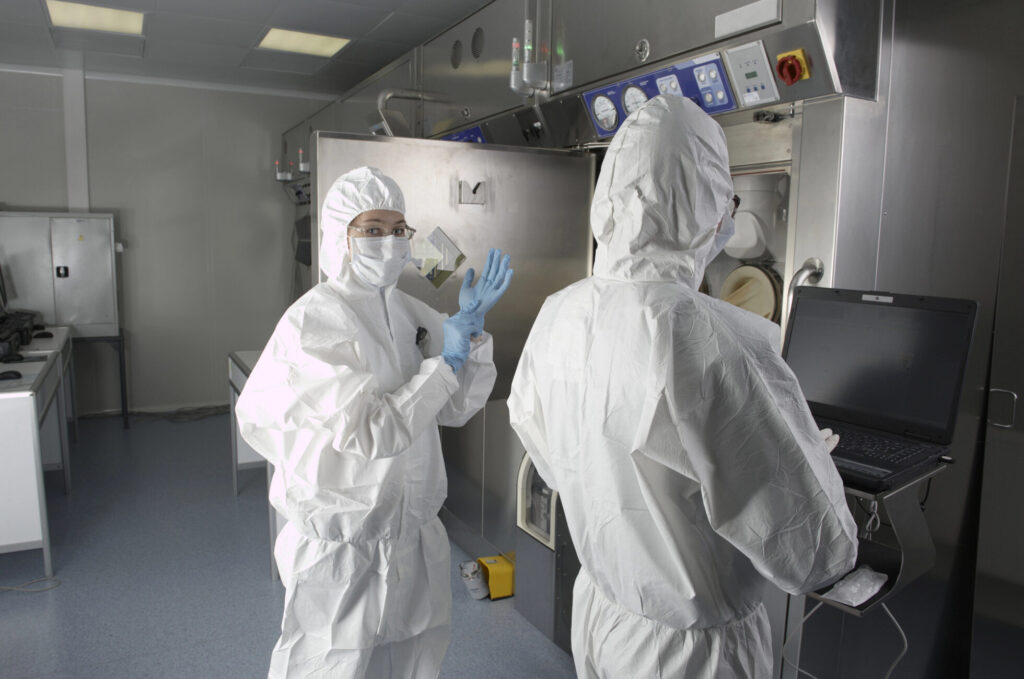
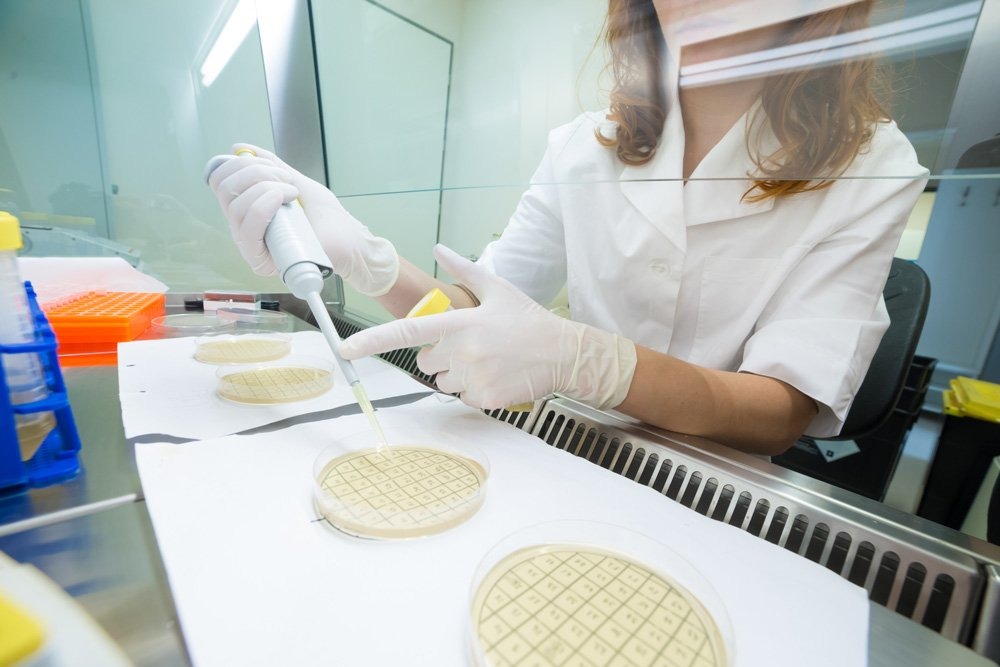
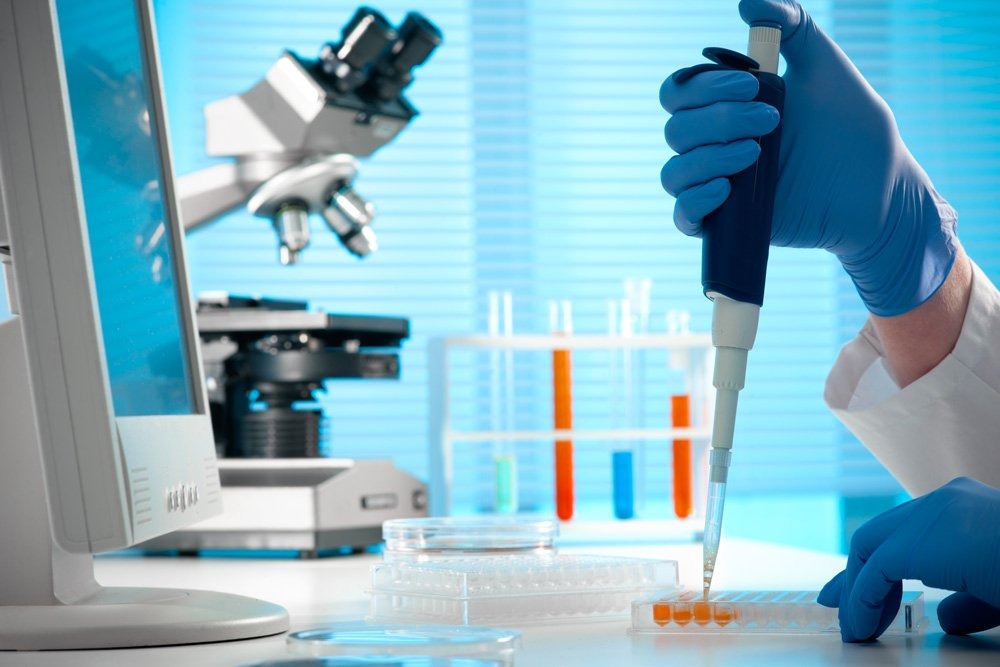
The most common laboratory devices that require frequent calibration include those that weigh, measure, or counts, such as pipettes, centrifuges, scales and balances, and pH meters. Additionally, cleanrooms require certification to remain compliant with regulatory body requirements.
When to Calibrate Your Lab Instruments?
The frequency with which an instrument will need calibration depends on several factors:
- Manufacturer Specifications
- Frequency of Use
- Incidents involving mechanical mishaps, shock, or damage
- Regulatory Agencies Guidelines
Laboratory personnel should schedule calibration whenever they detect any abnormalities or when an instrument was moved or suffered shock or damage. Lab workers must report the event, even if the damage is not immediately noticeable as the equipment can gradually fall out of tolerance and begin producing inaccurate results.
Calibration services will not only restore your lab equipment readings to a traceable national or international standard, but it will also determine if the instrument requires repair.
Why is Traceability Important
In the United States, the National Institute of Standards and Technology (NIST) is responsible for developing, maintaining, and disseminating national standards of measurement quantities and assessing these measurement standards’ measurement uncertainties.
NIST traceability is critical to quality assurance. Therefore, all calibration of university lab equipment needs to be NIST traceable.
Schedule Your Next Calibration Service
Manufacturers recommend laboratories enlist the help of trained professionals for all their calibration services.
Allometrics specializes in university laboratory equipment calibration. Choose between having our certified technicians calibrate your lab equipment on-site or within our ISO 17025 accredited lab.
Allometrics Ancillary Services
Aside from our expertise in laboratory instrument calibration services, at Allometrics, we provide a range of ancillary services to help universities ensure their lab environment is safe and compliant.
These are some of our most popular services:
- USP 797 and USP 800 Cleanroom Certification and Testing Service
- Calibration and Repair Lab specializing in airflow/velocities, temperature, dimensional, and pressure calibration
- Surrogate Bacterial and Air Sampling
- Media Fill-Kits and Glove Fingertip Sampling
- Pick Up and Drop Off Service – We will pick up, service, and return your laboratory equipment
Universities can save time and money by becoming a member of the Allometrics Service Assurance Program (ASAP). As an ASAP member, your university will receive priority support on Biological Safety Cabinets (BSC’s), Laminar Flow Hoods, Glove-Box, and Cleanrooms.
Call today to learn more about the benefits of becoming an ASAP member and schedule your next calibration service.
WE CAN HELP YOU STAY OPEN!
YES! We can help you keep your pharmacies open & operating safely! We offer both Surrogate Bacterial and Air Sampling and Molecular Testing for COVID-19.